
Seasonal Maintenance for Industrial Chainmail: Ensuring Safety and Durability Year-Round
When I first started buying chainmail for my workshop, I quickly realized how tricky it can be to tell which products are genuinely high-quality. I remember unboxing what I thought was a durable, industrial-grade piece, only to notice that some rings weren’t fully welded, and a few sections of the weave felt loose. For someone relying on chainmail for safetywhether in food processing, cut protection, or industrial handlingthese small flaws aren’t just annoying; they can be dangerous.
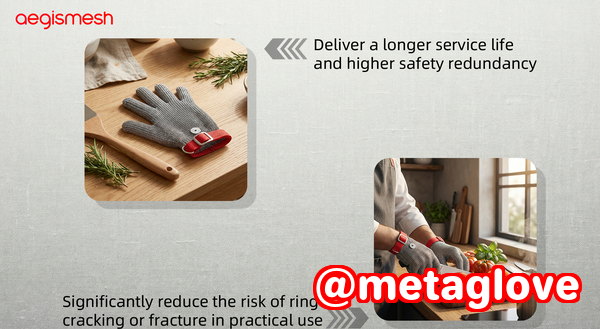
Seasonal maintenance and proper inspection are key to keeping your chainmail in top condition. Over time, even high-quality chainmail can suffer from wear, corrosion, or loose rings, especially in environments where moisture, acids, or heavy use are common. That’s why I rely on Aegimesh Chainmail as both a standard of quality and a guide for inspection. Here’s how you can evaluate, maintain, and enjoy your chainmail safely and effectively.
Common Pain Points When Evaluating Chainmail
One of the biggest challenges I see among buyers, collectors, and industrial users is distinguishing between chainmail that’s built to last and decorative or low-quality pieces. Here are some issues that come up often:
1. Difficulty distinguishing welded rings from open rings
It’s easy to assume all rings in a chainmail piece are secure, but open or poorly welded rings can compromise safety. Even a single weak ring in a cut-resistant glove or industrial apron can create a vulnerable spot.
2. Uncertainty about stainless steel grades or corrosion resistance
Not all stainless steel is created equal. Some sellers use 304 stainless steel, which is good for general purposes but can rust in high-moisture or acidic environments. Others use 316 stainless steel, which is highly corrosion-resistant and ideal for food processing or marine applications. Knowing which grade your chainmail is made from is crucial for long-term durability.
3. Weak or inconsistent weaves compromising durability
Chainmail weaves, such as the classic European 4-in-1 pattern, are designed for strength and flexibility. But if the weave is inconsistentrings twisted incorrectly or unevenly sizedthe chainmail loses structural integrity. This affects both safety in industrial use and the overall look for collectors or cosplayers.
Step-by-Step Guide to Inspecting Chainmail Quality
I’ve learned that inspecting chainmail is a mix of careful observation and practical testing. Aegimesh Chainmail provides an excellent reference for evaluating pieces, but here’s how I break it down in simple terms:
1. Check the material type
-
Look for markings or product details specifying 304 vs 316 stainless steel.
-
Consider your environment: 316 is better for exposure to moisture, chemicals, or salty air. 304 works fine for display or occasional wear.
2. Inspect the rings carefully
-
Weld quality: Every ring should be fully closed with a smooth, even seam. Avoid rings that show gaps, rough edges, or irregular soldering.
-
Wire thickness: Thicker wire usually means stronger chainmail. Compare the wire gauge to the product’s stated purposeindustrial cut-resistant chainmail should be thicker than cosplay or decorative pieces.
-
Inner diameter: Uniformity is key. Uneven rings can create weak points in the weave.
3. Evaluate weave patterns
-
European 4-in-1: This classic weave places four rings through one, creating a dense, flexible structure ideal for both protective and decorative uses.
-
Inspect for consistency: rings should interlock neatly, and the pattern should not have gaps or overlaps.
4. Practical pull test
-
Gently tug small sections of the chainmail to see if any rings pop open or loosen. If you notice movement, that piece may not withstand heavy use.
5. Signs of corrosion or poor craftsmanship
-
Look for rust spots, discoloration, or flaking. Even minor corrosion on a welded ring can spread and weaken the structure.
-
Rough edges, uneven rings, and inconsistent weaving are red flags for low-quality products.
Seasonal Maintenance Tips
Even high-quality chainmail needs attention throughout the year. I schedule maintenance according to use:
1. Cleaning and drying
-
After industrial use, especially in food processing or outdoor environments, rinse your chainmail with warm water and mild soap.
-
Dry completelymoisture trapped in rings can accelerate rusting.
2. Lubrication (if applicable)
-
For heavy-use industrial chainmail, a light coating of food-safe mineral oil can reduce friction between rings and protect against corrosion.
3. Storage
-
Hang chainmail on padded hooks or store in breathable bags. Avoid stacking heavy pieces, which can deform rings or pull the weave out of alignment.
4. Routine inspection
-
Inspect your chainmail at least once per season. Check welds, wire thickness, ring uniformity, and signs of wear or corrosion.
-
For industrial or protective chainmail, these inspections can prevent accidents before they happen.
Benefits of Proper Chainmail Inspection
Taking the time to evaluate and maintain your chainmail has several advantages:
-
Safety assurance: Avoid using chainmail with weak or open rings in industrial settings or for cut-resistant gloves.
-
Durability: Well-inspected chainmail lasts longer, saving money on replacements.
-
Confidence in purchase: Knowing what to look for helps you spot low-quality products before buying.
-
Aesthetics: For collectors or cosplayers, well-maintained chainmail looks authentic and polished.
I can’t stress enough how much peace of mind this brings. One time, a coworker ignored a small pull test on a new apron, and a weak ring popped during food processing. Had we done a quick inspection, we would have caught it immediately. That’s why seasonal maintenance isn’t optionalit’s essential.
Choosing the Right Chainmail for Your Needs
Not all chainmail is created for the same purpose. Consider these points:
-
Industrial use: Prioritize welded rings, thicker wire, 316 stainless steel, and dense weaves like European 4-in-1.
-
Food handling: Opt for corrosion-resistant steel, smooth welds, and easy-to-clean finishes.
-
Cosplay or display: Lighter wire, decorative finishes, and less dense weaves may be fine, but avoid imitations with open rings if you want longevity.
-
Historical replicas or collectibles: Authenticity in weave pattern and ring size is key, even if heavy-duty strength isn’t required.
By aligning your choice with your intended use, you ensure safety and satisfaction.
Conclusion
Seasonal maintenance and careful inspection are the keys to keeping chainmail safe, durable, and visually impressive. By checking material type, weld quality, wire thickness, and weave consistency, you can avoid low-quality products and make informed purchases. I highly recommend following these steps to ensure any chainmail purchase meets safety and durability standards.
Learn more about identifying high-quality chainmail products: https://www.aegimesh.com/
Check out our detailed chainmail inspection guide today and maintain your pieces like a pro.
FAQs
1. How can I tell if a chainmail ring is welded or open?
Check the seam carefully. A welded ring will have a smooth, continuous closure with no visible gaps. Open rings may have a slight overlap or unfinished edge.
2. Which stainless steel grade is best for long-lasting chainmail?
316 stainless steel is superior for corrosion resistance and heavy-use environments, while 304 works well for general-purpose or decorative chainmail.
3. How do I inspect the weave pattern for strength?
Look for consistent patterns, such as the European 4-in-1, where four rings pass through one. Ensure all rings are uniform and interlocked neatly.
4. What are the signs of low-quality or unsafe chainmail?
Weak welds, uneven wire thickness, irregular ring sizes, inconsistent weaves, rust, or rough edges are all red flags.
5. Can decorative chainmail be used for protective purposes?
Not usually. Decorative chainmail often uses thinner wire and open rings, making it unsuitable for industrial cut resistance or heavy-duty protection.
6. How do I choose the right chainmail for industrial vs cosplay use?
Consider your needs: industrial chainmail requires thicker wire, welded rings, and high-grade stainless steel, while cosplay or display pieces can prioritize aesthetics over maximum durability.
7. How often should I inspect my chainmail?
I recommend at least once per season or more frequently if used heavily in industrial or outdoor environments.
Keywords: chainmail quality, welded rings, stainless steel chainmail, cut-resistant chainmail, chainmail inspection, European 4-in-1 weave, steel metal chainmail durability, chainmail maintenance, industrial chainmail, chainmail care