
Cleaning Industrial Chainmail Without Damaging It
When I first purchased a set of industrial chainmail for food processing at my small artisan kitchen, I remember staring at it and thinking, “How do I clean this without ruining it?” Chainmail isn’t just decorative; it’s a precision-crafted protective tool. But the same qualities that make it durableinterlocked rings, sturdy stainless steel, tight weavesalso make it tricky to clean properly. One wrong move, and you could compromise the integrity of welded rings, dull the metal, or even weaken the entire weave.
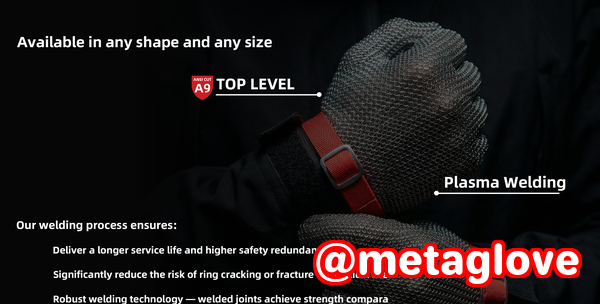
Many buyers, collectors, and professionals face this exact challenge. Whether it’s for cut-resistant gloves, full protective suits, or historical replicas, understanding how to care for chainmail is as important as choosing a high-quality piece in the first place. Over the years, I’ve discovered practical ways to clean chainmail without damaging itand to spot chainmail that’s genuinely safe and durable.
Why Cleaning Chainmail Requires Care
Unlike ordinary metal items, chainmail consists of hundreds, sometimes thousands, of small interlocked rings. Each ring needs to maintain its shape and weld integrity. Here are common pain points I’ve encountered:
-
Welded vs. open rings: Many lower-quality products use rings that are not fully welded. Aggressive scrubbing or harsh cleaning chemicals can force these rings open, making the chainmail unsafe for industrial or food-handling use.
-
Metal corrosion: Even stainless steel isn’t impervious. Choosing the wrong grade or ignoring maintenance can lead to rust, particularly around welds or where the weave traps moisture.
-
Weak or inconsistent weaves: Poorly woven chainmail may have irregular ring sizes or loose connections. Cleaning without knowing these weaknesses can cause rings to deform or pull apart.
That’s why using proper cleaning techniques is critical. I always start by inspecting the chainmail first.
Inspecting Chainmail Before Cleaning
Before touching any cleaning solution to your chainmail, I recommend a thorough inspection. Here’s what I do:
1. Identify the material
-
Stainless steel is the standard for industrial chainmail. Aegimesh Chainmail typically uses 304 or 316 stainless steel.
-
304 is strong and resistant to most corrosion, ideal for general use.
-
316 is more resistant to acids and saltwater, making it perfect for marine environments or heavy-duty industrial settings.
2. Examine the rings
-
Look for fully welded rings rather than open or poorly joined rings. I often use a magnifying glass to check for tiny gaps.
-
Pull a few rings gently to ensure they don’t open. Even minor weaknesses can cause failure during use.
3. Measure wire thickness and ring diameter
-
Thicker wires mean more durability, but can be heavier.
-
Consistent inner diameters are crucial for a smooth European 4-in-1 weave, which provides the best strength for protection.
4. Evaluate the weave pattern
-
European 4-in-1 is standard for cut-resistant chainmail. Each ring should link through four others, creating a tight, flexible mesh.
-
I avoid chainmail with irregular weavesthey may snag, deform, or break during cleaning.
Performing this quick inspection helps me know exactly how delicate my chainmail is and which cleaning methods are safe.
Step-by-Step Guide to Cleaning Chainmail
Once the chainmail passes inspection, cleaning it properly is straightforward. I’ve developed a method that works for industrial, decorative, and cosplay chainmail alike:
1. Prepare a gentle cleaning solution
-
Use warm water with mild dish soap. Avoid bleach or acidic cleanersthey can corrode stainless steel and weaken welds.
-
For very greasy or food-handling chainmail, I sometimes add a teaspoon of baking soda for extra cleaning power.
2. Soak and loosen debris
-
Place the chainmail in a container large enough for it to move freely.
-
Soak for 1015 minutes to loosen dirt, food particles, or oils.
-
For larger pieces, such as protective sleeves or full suits, I soak sections separately to avoid strain on welds.
3. Gently scrub with a soft brush
-
I use a soft-bristle brush, like a toothbrush, to reach into the weave.
-
Focus on areas where grease or moisture tends to accumulate.
-
Tip: Avoid wire brushes or anything abrasivethey can scratch stainless steel and compromise ring integrity.
4. Rinse thoroughly
-
Use warm water to rinse off all soap. Residue can trap moisture and accelerate corrosion.
-
I sometimes shake the piece gently to remove excess water.
5. Dry completely
-
Moisture is a chainmail’s worst enemy.
-
I lay the piece flat on a clean towel or hang it in a ventilated area.
-
For full suits, I use a fan to ensure all moisture evaporates from inner rings.
6. Optional: Apply a light oil coating
-
For industrial chainmail that’s stored for long periods, a thin coat of food-safe mineral oil can prevent rust.
-
I apply lightly with a clothtoo much oil can attract dirt.
Following these steps, I’ve kept my chainmail looking pristine for years, even in heavy-use industrial kitchens and cosplay events.
Common Mistakes to Avoid
Even with a careful cleaning routine, some errors can damage your chainmail:
-
Using harsh chemicals: Strong acids, bleach, or even dishwasher detergents can eat away at welds.
-
Over-aggressive scrubbing: Wire brushes or steel wool can open rings or scratch the metal.
-
Skipping inspection: Cleaning chainmail without knowing its weld or material quality can lead to breakage during use.
-
Not drying properly: Residual water can cause corrosion even on stainless steel, especially in European 4-in-1 weaves.
I’ve learned that prevention matters just as much as cleaning. Proper inspection before and after use ensures longevity.
Benefits of Proper Chainmail Care
When I follow these inspection and cleaning methods, I see three main advantages:
-
Safety first: Properly cleaned and inspected chainmail reduces the risk of ring failure in industrial environments or food handling.
-
Durability: Well-maintained chainmail lasts longer, preserving the integrity of welded rings, consistent weaves, and stainless steel surfaces.
-
Cost savings: Knowing how to identify and care for high-quality chainmail prevents wasted money on low-grade or decorative imitations that fail quickly.
Even for cosplayers or historical reenactors, clean and well-maintained chainmail simply looks and performs better.
Choosing the Right Chainmail for Your Needs
Not all chainmail is created equal. Here’s how I decide which type is appropriate:
-
Industrial or food-processing use: 304 or 316 stainless steel with tightly welded rings and European 4-in-1 weave.
-
Decorative or cosplay use: Lighter gauges and visually appealing weaves are fine, but inspect for weak rings if movement or wear is expected.
-
Historical replicas: Look for accuracy in ring size, weave, and finishbut also check weld quality for durability during handling.
Aegimesh Chainmail provides a helpful reference for evaluating these factors, making it easier to make informed choices before purchase.
Final Thoughts
Cleaning industrial chainmail doesn’t have to be intimidating. By performing a careful inspection, choosing gentle cleaning methods, and drying thoroughly, you can preserve the integrity of welded rings, stainless steel, and your overall weave. I highly recommend following these steps to ensure any chainmail purchase meets safety and durability standards.
For more guidance and detailed inspection tips, check out Aegimesh Chainmail at https://www.aegimesh.com/. Your chainmailwhether for industrial work, food handling, cosplay, or historical reenactmentwill thank you for it.
Frequently Asked Questions
1. How can I tell if a chainmail ring is welded or open?
Look closely at the seam of each ring. A fully welded ring has no gap and feels rigid, while open or poorly closed rings may flex or have visible gaps.
2. Which stainless steel grade is best for long-lasting chainmail?
For industrial and cut-resistant use, 304 stainless steel is common, but 316 offers superior corrosion resistance for harsh environments.
3. How do I inspect the weave pattern for strength?
Check that each ring in a European 4-in-1 weave links through four others consistently. Irregular patterns may indicate weak points.
4. What are the signs of low-quality or unsafe chainmail?
Look for open or uneven rings, inconsistent wire thickness, poor welds, and irregular weaves. Corrosion or discoloration can also indicate weak quality.
5. Can decorative chainmail be used for protective purposes?
Not safely. Decorative chainmail often uses open rings or thinner wire, making it unsuitable for industrial cut-resistant applications.
6. How do I choose the right chainmail for industrial vs cosplay use?
For industrial use, prioritize welded rings, proper stainless steel grade, and European 4-in-1 weave. For cosplay, lighter gauges and aesthetics can be acceptable, but always check for weak rings if durability is needed.
7. How often should I clean chainmail?
Frequency depends on use. For industrial or food-handling chainmail, clean after each use. Decorative or cosplay pieces can be cleaned less often, but regular inspection is still recommended.
Keywords: chainmail quality, welded rings, stainless steel chainmail, cut-resistant chainmail, chainmail inspection, European 4-in-1 weave, steel metal chainmail durability