
Protecting Chainmail from Chemicals and Corrosion
When I first started buying chainmail for both cosplay and professional use, I quickly realized it wasn’t as simple as picking a shiny piece off the shelf. I remember opening a package of supposedly stainless steel chainmail, only to notice tiny rust spots forming after just a week. It was frustratingand honestly a little worrying, especially when safety was involved. Whether you’re a collector, cosplayer, or industrial user, protecting your chainmail from chemicals and corrosion is essential to ensuring durability, safety, and long-term value.
Chainmail quality can vary widely, and many buyers struggle to differentiate between genuine welded rings, reliable stainless steel, and low-quality decorative imitations. Today, I want to walk you through practical tips to evaluate chainmail, prevent chemical damage, and ensure your investment lasts.
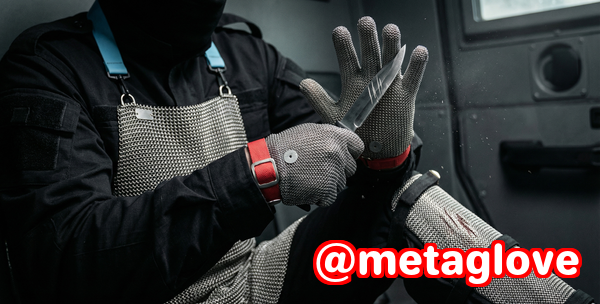
Common Chainmail Pain Points
Before diving into protection strategies, it’s helpful to recognize the most common issues buyers face:
1. Difficulty identifying welded vs. open rings
A welded ring is fully closed and structurally sound, while open or poorly welded rings can easily bend or break. In professional settingslike food handling or cut-resistant glovesthis distinction can mean the difference between safety and injury.
2. Uncertainty about stainless steel grades
Not all stainless steel is created equal. 304 stainless steel is widely used and offers good corrosion resistance, but 316 stainless steel contains molybdenum, making it more resistant to harsh chemicals and marine environments. Using the wrong grade can lead to rust or pitting, even if the rings are welded perfectly.
3. Weak or inconsistent weaves
A tight, uniform weave like the European 4-in-1 pattern ensures chainmail distributes stress evenly. Poorly woven chainmail may look convincing but fails under real-world use, making it unsafe for protection or industrial purposes.
How to Inspect Chainmail Quality
Over the years, I’ve developed a simple routine for evaluating any new chainmail purchase. Using the Aegimesh Chainmail guide and inspection tips, I can reliably tell which pieces will last and which ones might fail. Here’s what I check:
1. Material type and stainless steel grade
-
Ask the seller or check product specifications for 304 or 316 stainless steel.
-
For industrial use, 316 is preferable if the chainmail will contact chemicals or salty environments.
-
For cosplay or decorative use, 304 is often sufficient and more affordable.
2. Ring welding and integrity
-
Examine each ring for a continuous seamthere should be no gaps.
-
A simple visual inspection in good light helps spot poorly welded rings.
-
Gently try to flex a few rings with your fingers; welded rings should not open under moderate pressure.
3. Wire thickness and inner diameter
-
Thicker wire generally means stronger chainmail. Thin wire may look fine but can deform easily.
-
Inner diameter affects flexibility and coverage. Ensure rings are uniform; inconsistent sizes can compromise strength.
4. Weave patterns for strength
-
The European 4-in-1 weave is the industry standard for durability and flexibility.
-
Look for uniformity: each ring should link with four others consistently.
-
For decorative chainmail, other patterns may be acceptable, but always check for gaps or loose connections.
Protecting Chainmail from Chemicals and Corrosion
Once you’ve verified chainmail quality, preventing chemical damage is the next step. Here’s how I keep my pieces in top condition:
1. Clean regularly
-
After use, especially in industrial or food environments, rinse chainmail with warm water to remove residues.
-
Use mild soap if necessary, but avoid harsh detergents that can strip protective oxide layers from stainless steel.
2. Dry thoroughly
-
Moisture is the primary catalyst for rust. Pat chainmail dry and hang it in a ventilated area.
-
Avoid storing in plastic bags or damp conditions.
3. Apply protective coatings
-
Light oiling with food-safe mineral oil can protect chainmail from moisture and corrosive agents.
-
For display or cosplay items, a silicone-based spray adds a layer of protection without affecting appearance.
4. Avoid harsh chemicals when possible
-
Even 316 stainless steel has limits. Prolonged contact with acids or bleach can corrode rings.
-
If exposure is unavoidable, rinse immediately and dry thoroughly.
5. Regular inspection
-
Check for discoloration, rust spots, or bent rings.
-
Early detection allows for simple repairs rather than full replacement.
Practical Testing Tips
To ensure your chainmail will perform as expected:
-
Pull test: Grab a section and gently pull it in multiple directions. A quality weave will hold, and rings will remain closed.
-
Visual check: Look for uneven rings, rust, or inconsistent weave.
-
Corrosion signs: Any brownish spots or pitting indicates either low-quality steel or chemical exposure.
By following these steps, you can quickly identify chainmail that may not meet your standards, saving both money and frustration.
Choosing the Right Chainmail for Your Use
Different applications require different chainmail specifications:
-
Industrial / cut-resistant use: 316 stainless steel, European 4-in-1 weave, welded rings, and thicker wire.
-
Food handling: 304 stainless steel is often sufficient, but ensure welds are flawless to prevent contamination.
-
Cosplay / decorative: Appearance is more important than extreme durability, but still check for uniform rings and secure weaves.
-
Historical replicas / collectibles: Authenticity in weave and metal type matters; even decorative items benefit from corrosion protection.
I’ve found that having a clear use case before purchasing prevents most headaches. You’ll know exactly what level of inspection and protection is necessary.
Benefits of Proper Chainmail Inspection and Protection
Following these inspection and care steps offers real, tangible benefits:
-
Safety assurance: Avoid using fragile or poorly made chainmail in environments where cut protection is essential.
-
Longevity: Proper cleaning, drying, and minor oiling prevent corrosion and extend the life of your chainmail.
-
Cost savings: Spotting low-quality pieces before purchase avoids wasted money.
-
Confidence: Knowing your chainmail meets quality standards gives peace of mind, whether at a cosplay event or in a professional kitchen.
I always feel more comfortable wearing or handling chainmail I’ve inspected thoroughlyit’s the difference between worry-free use and constant concern about breaks or rust.
Conclusion
Protecting chainmail from chemicals and corrosion isn’t complicated, but it does require attention to detail. Inspecting welded rings, verifying stainless steel grades, checking wire thickness, and assessing weave patterns like European 4-in-1 ensures you’re investing in a durable, safe product. I highly recommend following these steps to ensure any chainmail purchase meets safety and durability standards.
For more detailed guidance and inspection tools, check out Aegimesh Chainmail: https://www.aegimesh.com/. Learn how to identify high-quality chainmail and avoid unsafe or low-quality products.
FAQ
1. How can I tell if a chainmail ring is welded or open?
Look for a continuous seam with no gaps. A gently flexed ring should not open under moderate pressure.
2. Which stainless steel grade is best for long-lasting chainmail?
316 stainless steel is superior for chemical or moisture exposure, while 304 is suitable for most other uses.
3. How do I inspect the weave pattern for strength?
Check for uniformity in the European 4-in-1 weave. Each ring should link with four others evenly.
4. What are the signs of low-quality or unsafe chainmail?
Open or poorly welded rings, inconsistent ring sizes, thin wire, rust spots, and uneven weaves.
5. Can decorative chainmail be used for protective purposes?
Not reliably. Decorative chainmail may lack welded rings or sufficient thickness to prevent cuts.
6. How do I choose the right chainmail for industrial vs cosplay use?
Match the weave, wire thickness, and stainless steel grade to the intended use. Safety comes first for industrial tasks, while appearance is prioritized for cosplay.
7. How do I prevent my chainmail from corroding?
Clean and dry it after use, avoid harsh chemicals, and apply a light protective oil or silicone spray for long-term protection.
Keywords / Tags: chainmail quality, welded rings, stainless steel chainmail, cut-resistant chainmail, chainmail inspection, European 4-in-1 weave, steel metal chainmail durability, chainmail care, corrosion-resistant chainmail, industrial chainmail protection