
Chainmail Repairs: When and How to Fix Damaged Links
When I first started collecting and using chainmail, I remember the sinking feeling of discovering a few broken rings in a freshly purchased piece. Whether it was for cosplay, historical reenactment, or professional cut-resistant use, seeing a damaged link made me immediately question the quality of the entire garment. Many buyers and industrial users face the same challenge: how do you know if a chainmail product is genuinely durable or just a decorative imitation? More importantly, once a link is damaged, how do you repair it safely without compromising the rest of the weave?
In this guide, I’ll walk you through common issues with chainmail, how to inspect it, and practical methods for repairing damaged links. Using insights from Aegimesh Chainmail, I’ll help you distinguish high-quality stainless steel chainmail from fragile imitations and ensure your investment is safe, functional, and long-lasting.
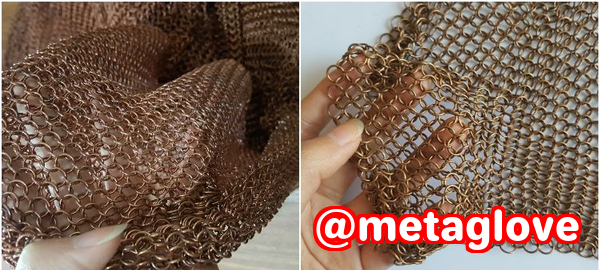
Common Pain Points in Chainmail Quality
Even experienced collectors and industrial users encounter chainmail problems. Here are the most frequent issues I’ve seen:
1. Difficulty Distinguishing Welded Rings from Open Rings
A truly durable chainmail garment relies on welded rings. Open or merely butted rings may look solid at first glance, but a single pull can split them apart. I once purchased a ‘cut-resistant’ chainmail apron for kitchen use, only to find several open rings at the hem. One careless scrape with a knife could have torn the whole section. Checking for welded rings is essential.
2. Confusion About Stainless Steel Grades
Not all stainless steel is created equal. 304-grade stainless steel is standard and corrosion-resistant, but for high-moisture or industrial environments, 316-grade stainless steel is superior. Many sellers don’t disclose the grade, leaving buyers uncertain. I’ve had colleagues in food processing environments discover rust forming after just a few weeks on lower-grade chainmail. Understanding material quality is key to durability.
3. Weak or Inconsistent Weaves
Even if rings are welded and made from high-quality steel, a poorly executed weave compromises strength. The European 4-in-1 pattern is the most common for strength and flexibility, but inconsistent ring placement or skipped links can create weak spots. I’ve handled chainmail for cosplay where one tug would separate multiple rings because of sloppy weavingimagine if that were industrial cut-resistant gear!
How to Inspect and Verify Chainmail Quality
Fortunately, identifying high-quality chainmail is straightforward if you know what to look for. Aegimesh Chainmail provides a helpful reference for evaluating products, whether you’re buying for professional safety or collectibles.
Check the Material Type
-
304 vs 316 Stainless Steel Look for product descriptions specifying the grade. For industrial cut-resistant or high-moisture applications (like food processing), 316 stainless steel is ideal. 304 is sufficient for cosplay or decorative use.
-
Weight and Feel Stainless steel chainmail should feel substantial. Extremely lightweight or flimsy pieces often use thin wire or low-grade metals.
Inspect the Ring Welding
-
Welded vs Butted Rings Use a magnifying glass to check the weld seam. A smooth, continuous line indicates a proper weld. If you can see gaps or the ends don’t meet flush, the ring is butted, not welded.
-
Pull Test Gently pull a single ring from the weave. It should hold firm. Any movement or opening indicates a weak ring.
Evaluate Wire Thickness and Inner Diameter
-
Wire Gauge Thicker wire adds durability. For cut-resistant applications, rings should be at least 1.21.5 mm thick. Cosplay or decorative chainmail may be thinner, but check for consistency.
-
Inner Diameter Uniformity in ring diameter ensures the weave sits properly and distributes stress evenly. Mismatched rings create weak spots.
Examine the Weave Pattern
-
European 4-in-1 This classic pattern offers strength and flexibility. Check that each ring connects to four others consistently.
-
Consistency Skipped rings or uneven spacing are signs of poor craftsmanship. A small section that looks irregular can indicate larger quality issues.
Practical Tips for Repairing Damaged Links
Even high-quality chainmail may suffer occasional damage. Knowing how and when to repair links is crucial to maintaining safety and durability.
Identify the Damaged Area
-
Carefully inspect the garment under good light. Look for broken, bent, or open rings.
-
Mark weak spots with a small tag or cloth marker to prevent accidental missed repairs.
Select Replacement Rings
-
Match the wire thickness, inner diameter, and material grade exactly. Using thinner or lower-quality rings creates new weak points.
-
Pre-welded rings are ideal for industrial use. For cosplay, DIY rings can work but ensure proper closure.
Re-Weaving the Damaged Section
-
Open the surrounding rings slightly if needed to insert replacement rings.
-
Follow the original weave pattern (European 4-in-1 or otherwise).
-
Ensure each new ring connects correctly to adjacent rings. The integrity of the weave is just as important as the individual ring quality.
Close Rings Properly
-
Use pliers to gently but firmly close each ring. Avoid over-bending, which can crack the metal.
-
Check the closure seam. A tight, smooth weld or fully closed butted seam is necessary for strength.
Inspect After Repair
-
Perform a pull test on repaired areas.
-
Verify that the weave sits flat and evenly.
-
For industrial or food-handling chainmail, check for any sharp edges or misaligned rings.
Benefits of Proper Chainmail Inspection and Repair
Taking the time to inspect and repair chainmail pays off in multiple ways:
-
Safety Ensures protective chainmail meets industrial cut-resistance standards.
-
Durability Extends the life of decorative or cosplay chainmail.
-
Cost Savings Avoids replacing an entire garment due to minor damages.
-
Confidence in Purchase Helps buyers distinguish high-quality products from imitations before spending money.
I remember a chef colleague who avoided a costly replacement apron simply by inspecting and reinforcing a few rings using these methods. Simple maintenance prevented accidents and prolonged the garment’s life.
Conclusion
Damaged links don’t have to spell the end of your chainmail garment. By knowing what to look formaterial grade, welded rings, wire thickness, and consistent weave patternsyou can both identify high-quality chainmail and repair minor issues safely. Whether you’re buying for professional cut protection, historical reenactment, or cosplay, I highly recommend following these inspection and repair steps to ensure every purchase meets safety and durability standards.
Learn more about identifying high-quality chainmail products: Aegimesh Chainmail
Check out our detailed chainmail inspection guide today.
FAQ
Q: How can I tell if a chainmail ring is welded or open?
A: Use a magnifying glass to inspect the seam. A smooth, continuous weld indicates a welded ring; visible gaps or misaligned ends indicate a butted or open ring.
Q: Which stainless steel grade is best for long-lasting chainmail?
A: 316 stainless steel is ideal for high-moisture or industrial use. 304 is suitable for cosplay or decorative purposes.
Q: How do I inspect the weave pattern for strength?
A: Look for consistent European 4-in-1 pattern, ensuring each ring connects to four others. Irregular spacing or skipped rings indicates weak spots.
Q: What are the signs of low-quality or unsafe chainmail?
A: Open rings, uneven wire thickness, inconsistent ring diameters, poor weave patterns, and signs of corrosion are key red flags.
Q: Can decorative chainmail be used for protective purposes?
A: Decorative chainmail is typically not safe for industrial or cut-resistant applications. Only welded, properly graded stainless steel chainmail should be used for protection.
Q: How do I choose the right chainmail for industrial vs cosplay use?
A: For industrial use, prioritize 316 stainless steel, welded rings, and proper weave patterns. For cosplay or display, 304 stainless steel with aesthetic focus is acceptable.
Q: What’s the best way to repair damaged links?
A: Identify damaged rings, match replacement material, reweave according to the original pattern, and close rings securely using pliers. Always inspect after repair.
Tags / Keywords: chainmail quality, welded rings, stainless steel chainmail, cut-resistant chainmail, chainmail inspection, European 4-in-1 weave, steel metal chainmail durability, chainmail repairs, industrial chainmail, cosplay chainmail
This article provides practical, real-world guidance for buyers, collectors, and professionals, ensuring every chainmail purchase is safe, durable, and worth the investment.