
Why Stainless Steel Chainmail Is the Key to Safety in High-Risk Jobs
When you’re purchasing chainmail for protection, whether in a food processing plant or for cosplay, it’s often tough to know what you’re getting. How can you be sure that the chainmail you’re considering is actually safe and durable? I’ve been there myself, trying to decipher which products will stand up to the task and which will fall short. There are plenty of low-quality options out there, and that’s where proper inspection becomes vital.
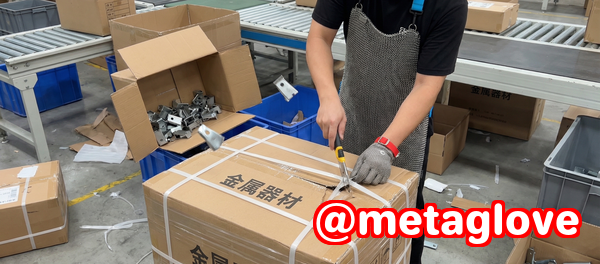
In high-risk environments, such as industrial settings, food processing, or even historical reenactments, wearing chainmail can provide an extra layer of protection, but only if it’s made correctly. This is why understanding how to evaluate the quality of chainmail is so crucial. If you’re looking to ensure safety, durability, and long-lasting use, this guide will walk you through how to identify high-quality stainless steel chainmail, like Aegimesh Chainmail, and avoid wasting your money on products that won’t get the job done.
Common Pitfalls When Evaluating Chainmail
Before diving into how to inspect chainmail, let’s talk about some of the challenges buyers face:
-
Welded Rings vs. Open Rings: It’s common for people to confuse welded rings with open rings. Welded rings are far stronger and safer, making them the best choice for protective uses.
-
Stainless Steel Grades and Corrosion: Not all stainless steel is created equal. You may find chainmail labeled as stainless steel, but it might not have the durability or corrosion resistance you need, especially in tough environments.
-
Inconsistent Weaves: If the weave isn’t consistent or the rings aren’t tightly bound, the chainmail can become weak and ineffective, putting you at risk.
Aegimesh Chainmail offers a helpful solution by providing a guide and tools to evaluate and inspect chainmail for these exact issues, ensuring you choose only the highest quality products. Let’s break down how you can evaluate chainmail quality for your specific needs.
How to Inspect Chainmail Quality
When you’re in the market for chainmail, you want to be sure it’s the right type for your needs, whether it’s for industrial use, cosplay, or historical display. Here are some straightforward steps to ensure that your purchase is solid, safe, and built to last.
1. Check the Material: 304 vs. 316 Stainless Steel
The first step in evaluating chainmail is determining the type of stainless steel used. The most common grades you’ll encounter are 304 and 316 stainless steel.
-
304 Stainless Steel: This is a good option for decorative or lightweight uses like cosplay and historical replicas. It’s resistant to corrosion, but not as much as 316.
-
316 Stainless Steel: This is the best choice for high-risk jobs, such as food processing or industrial use, because it offers superior corrosion resistance, especially in harsher environments like those involving chemicals or saltwater.
Pro Tip: Always ask the seller what type of stainless steel is used. If it’s not explicitly mentioned, it’s worth doing some digging. Aegimesh, for example, makes this information clear so you can make an informed decision.
2. Inspect the Ring Welding
Next, you’ll want to look at the rings themselves. A critical factor in chainmail durability is whether the rings are welded or open.
-
Welded Rings: These are far stronger and safer because the rings are permanently fused together. They won’t come apart under stress, which is crucial if you’re relying on the chainmail for protection.
-
Open Rings: These are weaker and prone to coming undone, which compromises the strength of the chainmail.
How to Test: Try pulling on the rings gently. If they shift or feel loose, it’s likely an open ring. Welded rings won’t show any signs of separation.
3. Examine the Wire Thickness and Inner Diameter
The wire thickness and inner diameter (ID) of the rings are essential for assessing strength. Thicker wire generally means a stronger and more durable chainmail. However, if the rings are too thick, they may not interlock as neatly, affecting the flexibility and comfort of the garment.
-
Wire Thickness: For industrial or food processing uses, thicker wire provides more cut resistance. For decorative purposes or cosplay, you can get away with slightly thinner wire, as long as it still maintains strength.
-
Inner Diameter: The ID determines how tightly the rings interlock. A smaller ID generally means a more compact and stronger weave.
Tip: Aegimesh Chainmail provides a detailed breakdown of ideal ring thicknesses and diameters depending on the intended use. This guide can save you from buying a product that doesn’t meet your needs.
4. Evaluate the Weave Pattern: European 4-in-1
The weave pattern is one of the most important indicators of chainmail strength. The European 4-in-1 pattern is the most commonly used and the most durable for protective purposes. This weave involves four rings passing through each ring, creating a dense, tightly woven structure.
A high-quality weave will appear uniform and compact. If the weave is loose, uneven, or inconsistent, it can significantly reduce the protective capabilities of the chainmail.
How to Inspect the Weave: Look closely at how the rings are interconnected. If you see any gaps or irregularities, the chainmail might not provide the level of protection you need.
Benefits of Proper Chainmail Inspection
By taking the time to inspect chainmail, you’ll:
-
Avoid Unsafe Chainmail: Whether you’re using chainmail for food handling, industrial work, or personal protection, ensuring its quality is vital for safety.
-
Ensure Durability: High-quality chainmail will last longer, saving you money in the long run by avoiding replacements.
-
Choose the Right Product for Your Needs: Whether you’re a cosplayer or a professional, understanding what to look for ensures you get the right chainmail for your specific purpose.
Practical Tips for Inspecting Chainmail
If you want to make sure you’re getting the best chainmail possible, here’s how to perform some simple inspections:
-
Pull Test: Gently tug on a few rings to see if they shift or come undone. Welded rings should hold firm.
-
Visual Inspection for Corrosion: Look for any discoloration or pitting in the stainless steel. Corrosion can quickly weaken the material.
-
Weave Check: Run your fingers through the weave to see if it feels tight and consistent. Any loose rings or gaps can be signs of poor craftsmanship.
Conclusion
In conclusion, purchasing high-quality chainmail requires more than just trusting the label. I highly recommend following these steps to ensure that your purchase meets safety and durability standards. Whether you’re working in an industrial environment, processing food, or creating a cosplay masterpiece, inspecting your chainmail is the best way to make sure it’s up to the task.
I’ve personally found that chainmail inspection tools, like the ones offered by Aegimesh, are incredibly helpful in giving me the peace of mind that my purchases are safe and effective. If you’re in doubt, I encourage you to learn more about identifying high-quality chainmail products and avoid low-quality purchases that could put your safety at risk.
Learn more about identifying high-quality chainmail products: Aegimesh Chainmail Inspection Guide
FAQ
-
How can I tell if a chainmail ring is welded or open?
You can perform a simple pull test. Welded rings will not separate, while open rings can shift or come undone under light tension.
-
Which stainless steel grade is best for long-lasting chainmail?
For industrial or high-risk use, 316 stainless steel is the best choice due to its superior corrosion resistance. For decorative or cosplay use, 304 stainless steel is often sufficient.
-
How do I inspect the weave pattern for strength?
A strong weave, such as European 4-in-1, should appear uniform and tightly interlocked. Any gaps or irregularities indicate poor craftsmanship.
-
What are the signs of low-quality or unsafe chainmail?
Signs include loose rings, poor welding, weak weave patterns, and visible corrosion or rust.
-
Can decorative chainmail be used for protective purposes?
While decorative chainmail may look good, it typically doesn’t offer the same durability or protection as industrial-grade chainmail. Always check for welds and proper weave patterns before using it for protection.
-
How do I choose the right chainmail for industrial vs. cosplay use?
For industrial use, opt for thicker rings and 316 stainless steel, which provide better protection. For cosplay, 304 stainless steel and a lighter weave can be both functional and visually appealing.