
Stainless Steel Chainmail: The Next Level in Personal Protection
When it comes to personal protection, especially in industries like food processing or even cosplay, quality matters. A common concern I hear from buyers, collectors, and industrial users is: “How can I tell if a piece of chainmail is genuinely high-quality?” If you’re buying chainmail for protection, display, or a cosplay project, it’s easy to get lost in the sea of options out there. Low-quality chainmail products can look great at first glance but fall apart when you need them the most, leaving you with wasted money or, worse, compromised safety.
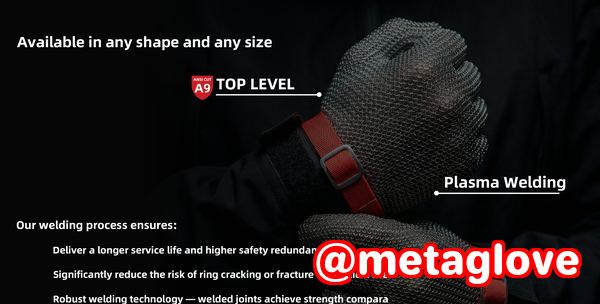
Let’s talk about how you can confidently identify the best chainmail for your needs. In this guide, I’ll walk you through a step-by-step process on how to evaluate chainmail, focusing on key aspects like material, welding, weave patterns, and ring thickness. With these tips, you’ll be able to spot low-quality products and avoid the risk of making a bad purchase. Whether you’re buying for industrial use, food handling, or even cosplay, this guide will ensure you get durable, reliable chainmail every time.
Understanding the Common Chainmail Pitfalls
Before jumping into the specifics of what to look for, let’s discuss a few common pain points that buyers often experience when evaluating chainmail:
-
Welded vs. Open Rings
The first thing you need to look at is whether the rings are welded or open. A simple visual inspection won’t always tell the full story, as some low-quality manufacturers will use open rings that can break or wear out under pressure. It’s essential to ensure that your chainmail uses welded rings, which provide better durability and strength.
-
Choosing the Right Stainless Steel Grade
Not all stainless steel is created equal. Chainmail is often made from 304 or 316 stainless steel, and understanding the difference is crucial for ensuring durability and corrosion resistance. Grade 316 is typically used for environments that involve moisture, such as food handling or marine settings, while 304 is more common for general-use applications.
-
Weak or Inconsistent Weaves
The weave pattern affects both the durability and the flexibility of your chainmail. A common pattern used in high-quality chainmail is the European 4-in-1 weave, which involves four rings passing through a single ring. Poorly woven chainmail can break under pressure and fail to provide the protection you need.
How to Inspect and Identify High-Quality Chainmail
Now, let’s dive into the steps you can take to ensure that the chainmail you’re looking at is the real deal. I’ll break this down in simple terms so you can easily perform these checks yourself.
1. Check the Material: Is It the Right Stainless Steel?
The material used in your chainmail is arguably the most important factor when determining its quality. There are two primary grades of stainless steel used in chainmail:
-
304 Stainless Steel:
This is the most common grade of stainless steel for chainmail. While it’s durable and resistant to corrosion, it’s best for general use and light protection. You’ll find it in cosplay or decorative chainmail, but it may not withstand the wear and tear of heavy industrial or food-processing environments.
-
316 Stainless Steel:
If you’re buying chainmail for a more demanding application, such as industrial cut protection or food handling, 316 stainless steel is your best bet. This material offers better resistance to rust and corrosion, making it ideal for wet or harsh environments.
Tip: Always ask the seller about the grade of steel used. If they can’t provide this information, it’s a red flag.
2. Inspect the Welding and Ring Thickness
A key factor in the strength of chainmail is whether the rings are welded or open. Open rings are more prone to snapping under stress, while welded rings are much stronger and more durable. To ensure you’re getting welded rings, look closely at the joints. Welded rings will have a smooth finish where the two ends meet, while open rings will show a gap or visible seam.
Next, check the wire thickness. Thicker wire means stronger chainmail, so be sure to look at how robust the rings feel. Thin rings might save on cost but can’t handle heavy-duty tasks.
Tip: For maximum durability, look for chainmail with wire thickness of at least 1mm. This will ensure that the rings are strong enough to withstand regular use.
3. Examine the Ring Diameter and Weave Pattern
The inner diameter of the rings is another important factor. If the rings are too small, the chainmail will be too tight, reducing flexibility and comfort. Too large, and the chainmail could lose its protective capabilities. Look for an inner diameter that is balancedtypically, 7-9mm is ideal for most uses.
Also, pay attention to the weave pattern. The most common pattern, especially in high-quality chainmail, is the European 4-in-1 weave. This pattern involves four rings passing through one central ring, creating a strong and durable structure. Other patterns like 6-in-1 or 8-in-1 provide extra protection but may be stiffer and less flexible.
Tip: Test the flexibility of the chainmail by gently pulling on it. If it feels stiff and unyielding, it could be poorly woven or made from a lower-quality material.
Practical Tips for Evaluating Chainmail Quality
Here are a few more steps you can take to ensure that the chainmail you’re considering is up to standard:
-
Perform a Pull Test:
Hold a section of the chainmail and gently tug on it. High-quality chainmail will resist stretching or pulling apart. If the rings feel loose or you can see them separating, the chainmail is likely made with inferior materials or craftsmanship.
-
Look for Corrosion Signs:
Stainless steel should not rust, but poor quality or improperly treated chainmail may develop surface corrosion over time. If you notice any dark spots or uneven coloring on the rings, it could be a sign of poor-quality steel or manufacturing issues.
-
Ensure Proper Fit for Your Use:
Not all chainmail is created equal, and different applications require different types. For example, chainmail used for cosplay can be lighter and more decorative, while industrial chainmail needs to be durable and cut-resistant. Make sure the chainmail fits the purpose you intend to use it for.
Conclusion: Making the Right Choice
When it comes to chainmail, quality should always be a top priority, whether you’re using it for industrial cut protection, food processing, cosplay, or historical reenactment. By following these simple inspection stepschecking material quality, inspecting ring welding and thickness, and evaluating the weave patternyou’ll be able to confidently choose chainmail that’s durable, safe, and suitable for your needs.
I highly recommend following these steps to ensure any chainmail purchase meets safety and durability standards. Doing so will not only save you money but also protect you from potential safety risks.
If you’re looking for more information on identifying high-quality chainmail products, check out our detailed chainmail inspection guide today.
FAQs
-
How can I tell if a chainmail ring is welded or open?
To check, closely inspect the ring joint. Welded rings will have a smooth, seamless finish, while open rings will show a visible gap or seam.
-
Which stainless steel grade is best for long-lasting chainmail?
Grade 316 stainless steel is the most corrosion-resistant and is best for high-demand environments like food processing or industrial use. Grade 304 is sufficient for general use and cosplay.
-
How do I inspect the weave pattern for strength?
The European 4-in-1 weave is a common and strong pattern. Check for consistency in the rings’ placement and ensure they interlock tightly without any gaps.
-
What are the signs of low-quality or unsafe chainmail?
Look for signs of weak rings, poor welding, uneven ring diameters, or signs of rust. Low-quality chainmail may also have loose weaves that can fall apart under stress.
-
Can decorative chainmail be used for protective purposes?
While decorative chainmail is lightweight and beautiful, it’s often made from thinner rings and may not provide the level of protection required for industrial or safety purposes.
-
How do I choose the right chainmail for industrial vs. cosplay use?
For industrial use, choose chainmail made from durable stainless steel like 316, with a tight weave and welded rings. For cosplay, decorative chainmail made with 304 steel and lighter rings will usually suffice.
Tags/Keywords:
chainmail quality, welded rings, stainless steel chainmail, cut-resistant chainmail, chainmail inspection, European 4-in-1 weave