
Why Stainless Steel Chainmail Is a Game-Changer in Protective Clothing
When purchasing chainmail for protection or display, I often struggle to know which products are genuinely high-quality. As someone who’s spent a fair amount of time researching chainmail for both personal and professional use, I can tell you that distinguishing between a durable, high-quality product and a low-quality or even unsafe one is no easy task. Whether you need chainmail for industrial protection, cosplay, or even food handling, understanding how to evaluate the quality of chainmail can make all the difference in ensuring safety, durability, and a worthwhile investment.
In this guide, I’ll walk you through the most important aspects to look for when evaluating stainless steel chainmail, offering practical tips to help you make an informed purchase every time. Whether you’re a buyer, collector, industrial user, or cosplayer, I’ll show you how to identify quality chainmail that truly delivers.
The Importance of Chainmail Quality
Before diving into the specifics, let’s talk about why the quality of your chainmail matters. High-quality stainless steel chainmail offers cut resistance, durability, and the flexibility needed for various applications. But not all chainmail is created equal, and it can be difficult to tell the difference between products that will protect you and those that are little more than decorative.
In my experience, a lot of peoplemyself included at timesmake the mistake of assuming all chainmail is created equal, especially when purchasing online. Unfortunately, there are a lot of low-quality chainmail products out there that won’t deliver the durability or protection you expect, particularly in industrial and food-handling contexts.
Common Problems When Evaluating Chainmail Quality
Let’s break down a few common issues I’ve encountered (and you might, too) when trying to assess the quality of chainmail:
-
Welded vs. Open Rings: One of the first things that can be tough to identify is whether the rings are welded or open. While welded rings offer much more durability, open rings are often used in lower-quality chainmail, and they can break or deform easily.
-
Stainless Steel Grade Confusion: Not all stainless steel is the same. While 304 stainless steel is more common, 316 stainless steel offers superior resistance to corrosion, making it a better option for chainmail used in food handling or industrial settings. But how do you tell the difference?
-
Weak or Inconsistent Weave Patterns: Some manufacturers use weaker weave patterns, or they may compromise the tightness and strength of the rings to reduce costs. These types of weaves aren’t as effective in protecting against cuts, and they won’t stand up to prolonged use.
Let’s go over these problems and how to solve them so you can be confident in your chainmail purchase.
How to Inspect Chainmail for Quality
I’ve spent a lot of time learning the ins and outs of chainmail quality. Here are a few simple methods I use to ensure I’m getting the best product possible.
1. Check the Material Type
First, always check the material type. Is it made of stainless steel, or is it a cheaper alternative? Stainless steel chainmail is the gold standard for durability and corrosion resistance. But not all stainless steel is created equal.
The two most common grades of stainless steel used for chainmail are 304 and 316. Here’s a quick breakdown:
-
304 Stainless Steel: This is the most common type of stainless steel. It’s a good choice for general use, such as for cosplay or as a decorative piece.
-
316 Stainless Steel: If you’re using chainmail for food handling or industrial purposes, you want to go with 316 stainless steel. It has superior resistance to corrosion, especially when exposed to saltwater or acidic environments.
2. Inspect the Ring Welding
When I first started buying chainmail, I didn’t realize how critical it was to distinguish between welded and open rings. Here’s how you can check:
-
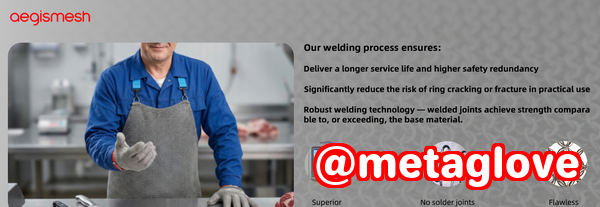
Welded Rings: These are rings that are fused together, making them much stronger and more durable. You can usually spot a welded ring by looking closely at the edgeif it looks seamless, it’s likely welded.
-
Open Rings: These are typically lower quality and are more prone to opening under stress. They can be harder to inspect, but if you notice any visible gaps or irregularities in the ring, that’s a red flag.
For industrial or safety purposes, you should always go for welded rings.
3. Evaluate the Wire Thickness and Ring Diameter
Another key factor in chainmail strength is the wire thickness and ring diameter. A thicker wire and smaller inner diameter generally translate to a stronger weave. To evaluate this, simply measure the wire thickness with a caliper (if you have one) or compare it to the standard specifications for chainmail in your application.
A good rule of thumb is:
-
Thicker wire = more durable, longer-lasting protection.
-
Smaller inner diameter = better overall strength and reduced wear.
4. Inspect the Weave Pattern
The weave pattern plays a huge role in the durability and flexibility of chainmail. One of the most common and effective weaves is European 4-in-1, where each ring interlocks with four others in a tight, consistent pattern. This weave is strong, flexible, and offers great protection against cuts.
Look at the chainmail closely to see if the weave pattern is even and tightly woven. If the weave appears loose or inconsistent, that’s a sign of poor craftsmanship.
5. Perform a Pull Test
You can easily perform a quick pull test to check the durability of the chainmail. Simply grab a few rings between your fingers and pull gently. If the rings slip apart, or if you hear cracking or breaking sounds, that’s a sure sign of low-quality chainmail. High-quality chainmail will feel sturdy and won’t give easily when pulled.
6. Look for Corrosion or Poor Craftsmanship
Corrosion can be a major issue, especially for chainmail exposed to moisture or harsh environments. Always check for signs of rust, discoloration, or pitting. These are clear indicators that the chainmail won’t hold up over time.
Additionally, check for rough edges or rings that appear unevenly cut. These signs of poor craftsmanship can affect the functionality and safety of the chainmail.
Why This Matters: Avoiding Unsafe Purchases
When it comes to chainmail, cutting corners can cost you more than money. Low-quality chainmail can put your safety at risk, especially if you’re using it in industrial settings or for food processing. Ensuring that you buy high-quality, properly inspected chainmail can save you from dangerous situations where the material may break or fail to protect you.
By learning how to inspect and evaluate chainmail for quality, you can avoid wasting money on products that won’t stand up to the task.
Conclusion: My Recommended Steps for Buying Quality Chainmail
In my experience, I highly recommend following these steps to ensure any chainmail purchase meets safety and durability standards. Whether you’re purchasing chainmail for protection, display, or as a collectible, these simple checks will help you make an informed decision and avoid poor-quality products.
Remember to:
-
Check the material grade (304 or 316 stainless steel).
-
Look for welded rings.
-
Inspect wire thickness, ring diameter, and weave patterns.
-
Perform a pull test.
-
Check for corrosion or signs of poor craftsmanship.
Ready to make an informed purchase?
Learn more about identifying high-quality chainmail products by visiting Aegimesh Chainmail’s Guide.
Frequently Asked Questions (FAQ)
-
How can I tell if a chainmail ring is welded or open?
-
Inspect the edges of the rings. Welded rings will have a smooth, seamless edge, while open rings will show signs of a gap or incomplete ring.
-
-
Which stainless steel grade is best for long-lasting chainmail?
-
For industrial or food processing use, 316 stainless steel offers superior corrosion resistance. For general use, 304 stainless steel is a good choice.
-
-
How do I inspect the weave pattern for strength?
-
Look for a tight, consistent weave. The European 4-in-1 weave is a strong, reliable pattern, with each ring locking into four others.
-
-
What are the signs of low-quality or unsafe chainmail?
-
Look for loose rings, rust, inconsistent weave, or uneven edges. These are indicators that the chainmail is poorly made or won’t offer reliable protection.
-
-
Can decorative chainmail be used for protective purposes?
-
Decorative chainmail typically doesn’t offer the same strength or durability as functional chainmail, so it’s not recommended for protective use.
-
-
How do I choose the right chainmail for industrial vs. cosplay use?
-
For industrial applications, prioritize 316 stainless steel and welded rings. For cosplay, 304 stainless steel and decorative weaves may be sufficient.
-
Tags: chainmail quality, welded rings, stainless steel chainmail, cut-resistant chainmail, chainmail inspection, European 4-in-1 weave.