
The Ultimate in Safety Mesh Boning Aprons with Ring Mesh
When purchasing chainmail for safety, cosplay, or even for a historical collection, it’s easy to feel overwhelmed by all the options available. There’s a wide range of prices, materials, and designs, and it can be hard to tell if you’re getting something that’s durable and safe. Many buyers, collectors, and industrial users often struggle with knowing which chainmail is the real deal and which is just a cheap imitation. Whether you’re concerned about the durability of a chainmail apron for food processing or you’re trying to find a strong, authentic piece for your cosplay, understanding how to evaluate the quality of chainmail is crucial.
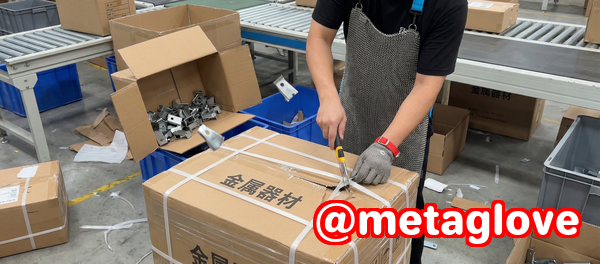
If you’re looking for a way to confidently choose chainmail that meets your needs, look no further. In this post, I’m going to walk you through some of the most common pain points when evaluating chainmail quality, share practical tips on how to inspect it, and help you avoid wasting money on products that don’t deliver. By the end of this guide, you’ll be equipped with the tools to spot high-quality chainmail, whether you’re using it for protection in the workplace, for cosplay, or for historical replicas.
Why Quality Chainmail Matters
Whether you’re purchasing a chainmail apron for cut-resistant protection in a meat-processing plant, or you’re seeking a piece to wear for a cosplay event, the quality of the chainmail you choose makes a huge difference. Poorly made chainmail can not only be ineffective but unsafe as well. If the rings are not welded properly, the weave is too loose, or the material corrodes easily, you could end up with a product that falls apart in the middle of use, leaving you exposed to injury.
But how can you tell the difference between high-quality chainmail and cheap knock-offs? Here are some key considerations to keep in mind.
Common Pain Points When Buying Chainmail
-
Distinguishing Welded Rings from Open Rings
One of the biggest mistakes I see people make is mistaking chainmail with open rings for welded rings. Open rings might seem like they’ll do the job, but they don’t offer the same level of strength and durability as welded rings. Open rings can break or slip out of place, especially under pressure. You might not realize this until it’s too late.
-
Understanding Stainless Steel Grades and Corrosion Resistance
When you’re considering chainmail for protection, it’s essential to know the difference between stainless steel grades. Grades like 304 and 316 are commonly used, but there are significant differences between them. If you buy chainmail made with the wrong grade, it could corrode easily, which is a particular concern if you’re using it in a food-handling environment.
-
Weak or Inconsistent Weaves
Another common issue is inconsistent weave patterns. Whether you’re purchasing chainmail for protection or for decorative purposes, weak or uneven weaves can significantly compromise the durability and strength of the product. For example, a European 4-in-1 weave is a popular and reliable pattern for strength, but some cheaper chainmail might not maintain this weave correctly, leading to gaps or uneven protection.
How to Inspect Chainmail Quality Like a Pro
At this point, you’re probably asking, “Okay, so how do I know if a chainmail apron or armor is high-quality?” Great question! Here are some practical steps you can take to inspect chainmail and ensure you’re buying a product that is safe, durable, and high-quality:
1. Check the Material Type (304 vs. 316 Stainless Steel)
Not all stainless steel is created equal. The most common grades used for chainmail are 304 and 316, and while both are good, 316 is often the superior option for durability and corrosion resistance, especially in food processing environments.
-
304 Stainless Steel is generally corrosion-resistant and works well for most uses, including cosplay or decorative chainmail.
-
316 Stainless Steel offers enhanced corrosion resistance, making it ideal for food-handling environments, outdoor use, and industrial applications where the chainmail is exposed to moisture or harsh chemicals.
2. Inspect the Ring Welding, Wire Thickness, and Inner Diameter
-
Welded vs. Open Rings: As I mentioned earlier, welded rings are much stronger than open rings. Welded rings will remain intact and keep the weave strong, while open rings can fall apart with little force. Check whether the rings are welded by gently tugging on a few rings. If they move or come apart easily, you’re dealing with open rings.
-
Wire Thickness: Thicker wires generally provide more strength and durability, which is essential for both safety and aesthetics. Thin wire chainmail can be less durable, especially if it’s being used for industrial protection. When inspecting chainmail, make sure the wire thickness is consistent throughout.
-
Inner Diameter: The inner diameter of the rings affects the flexibility and strength of the chainmail. Too large of a diameter can result in a loose, weak weave, while too small of a diameter can make the weave too tight and stiff. A good standard is to look for an inner diameter that allows for optimal flexibility without compromising the structural integrity.
3. Evaluate the Weave Patterns (European 4-in-1, etc.)
Weave patterns are crucial to the overall strength of the chainmail. The European 4-in-1 weave is the most common and reliable. In this pattern, each ring is woven through four others, creating a dense, strong fabric. Look for weaves that are tight and consistent across the entire product. If the weave is loose, you may see gaps where the rings don’t properly interlock, which can reduce the chainmail’s protective capabilities.
4. Perform a Simple Pull Test
A simple pull test can reveal a lot about the quality of the chainmail. Grab a few rings and gently tug on them. If they hold firm and don’t shift or separate, you’re looking at high-quality construction. If they break apart or shift too easily, it’s a red flag that the chainmail might not be up to standard.
5. Check for Signs of Corrosion or Poor Craftsmanship
If the chainmail is made of stainless steel, it should be relatively resistant to corrosion. However, poor craftsmanship or the use of low-quality materials can lead to rust spots, discoloration, or other signs of wear and tear. If you spot any of these signs, consider it a warning sign that the chainmail won’t last.
Why Aegimesh Chainmail Is the Best Choice
Aegimesh Chainmail provides a practical and reliable solution for anyone who needs high-quality chainmail for industrial protection, food handling, cosplay, or historical replicas. With a clear focus on quality materials, attention to detail in construction, and a deep understanding of what makes chainmail truly durable and safe, Aegimesh ensures you’re getting a product that meets your needs without cutting corners.
Conclusion: Making the Right Chainmail Purchase
When it comes to buying chainmail, knowing how to inspect it for quality can save you money, time, and frustration. By following the steps I’ve outlinedchecking the material, inspecting the rings, evaluating the weave, and performing simple testsyou’ll be able to make an informed decision and avoid low-quality, unsafe products.
I highly recommend following these steps to ensure any chainmail purchase you make meets safety and durability standards. Whether you’re looking for cut-resistant chainmail for industrial use, a sturdy piece for cosplay, or a historical replica, Aegimesh provides top-tier products that you can trust.
Learn more about identifying high-quality chainmail products: https://www.aegimesh.com/
Check out our detailed chainmail inspection guide today!
FAQs
-
How can I tell if a chainmail ring is welded or open?
-
Look for any signs of separation in the rings. If they separate easily under pressure, they are open rings. Welded rings will stay intact and cannot be pulled apart.
-
-
Which stainless steel grade is best for long-lasting chainmail?
-
316 stainless steel is best for environments exposed to moisture and chemicals. 304 stainless steel is more than sufficient for cosplay or decorative uses.
-
-
How do I inspect the weave pattern for strength?
-
Look for consistency. The rings should all interlock tightly in a regular pattern, such as European 4-in-1, with no gaps.
-
-
What are the signs of low-quality or unsafe chainmail?
-
Signs include inconsistent weaves, open or poorly welded rings, rust or corrosion, and thin wire.
-
-
Can decorative chainmail be used for protective purposes?
-
While decorative chainmail can be beautiful, it may not offer the same level of protection as industrial-grade chainmail made from welded rings and thicker wire.
-
-
How do I choose the right chainmail for industrial vs. cosplay use?
-
For industrial use, focus on durable, welded chainmail made from 316 stainless steel. For cosplay, lighter, decorative pieces made from 304 stainless steel may suffice.
-
Keywords: chainmail quality, welded rings, stainless steel chainmail, cut-resistant chainmail, chainmail inspection, European 4-in-1 weave