
The Advantages of Ring Mesh in Construction vs Traditional Chainmail
When you’re in the market for chainmail, whether for protection, cosplay, or historical reenactments, it can be frustrating to know which products are genuinely high-quality. After all, chainmail isn’t just about its iconic look; it’s about its strength, durability, and overall safety. As a buyer, you’re often left wondering: How can I tell if I’m getting the best value? Is this chainmail strong enough for industrial use? Or will it hold up through repeated wear and tear?
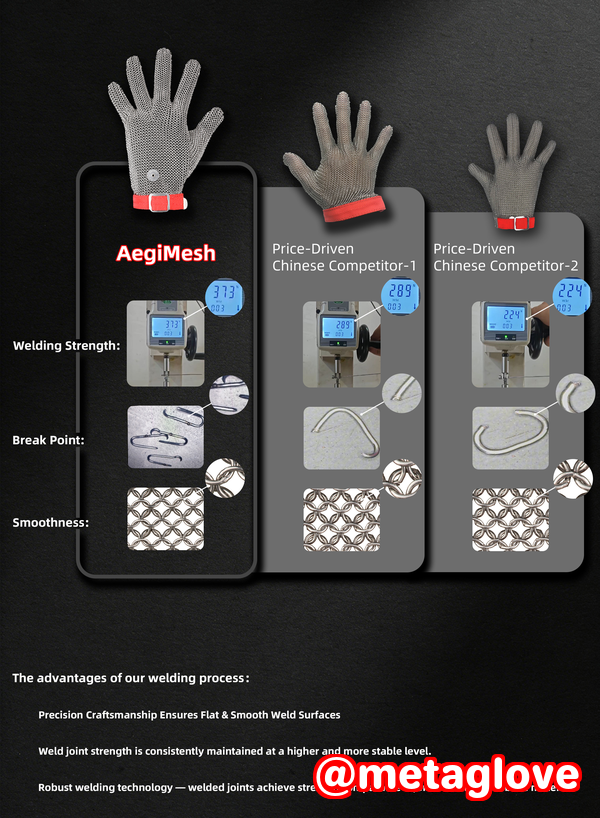
This blog post will guide you through the process of distinguishing between high-quality chainmail and lower-grade options, especially focusing on the advantages of ring mesh in construction compared to traditional chainmail. With this knowledge, you’ll be able to make informed, confident purchasing decisions. Let’s dive in!
Common Pain Points When Buying Chainmail
When you’re looking to buy chainmail, it’s easy to get overwhelmed by the sheer variety of options available. The market is full of products that claim to offer the best protection or the most authentic design. But how do you know if you’re getting exactly what you need? Here are a few common challenges:
-
Identifying Genuine Chainmail: With so many imitations and low-quality versions on the market, it’s hard to know whether you’re getting real, durable chainmail or just a decorative, fragile version that looks the part but doesn’t perform well.
-
Understanding the Materials: The material used in chainmail is crucial for its durability and effectiveness. But with so many different types of stainless steellike 304 vs 316 gradesit can be tough to determine which one is the best for your needs.
-
Inspection Confusion: Many buyers struggle to properly inspect chainmail for flaws. Is the weave tight enough? Are the rings welded or just twisted together? And how do you know if the ring diameter and wire thickness are up to standard?
Thankfully, Aegimesh Chainmail offers an easy-to-follow guide for inspecting and evaluating the quality of chainmail products. Whether you’re buying for industrial purposes, food handling, cosplay, or historical re-creations, Aegimesh makes sure you know exactly what to look for.
How to Inspect and Verify Chainmail Quality
One of the biggest mistakes I see buyers making is skipping the inspection process or not knowing what to look for when evaluating chainmail. The truth is, a well-made piece of chainmail will last much longer, provide better protection, and give you more value for your money.
1. Material Type: Stainless Steel Grades Matter
Not all stainless steel is created equal. The two most common grades used in chainmail are 304 stainless steel and 316 stainless steel. Here’s how to tell them apart and decide which is best for you:
-
304 Stainless Steel: This is the most common grade of stainless steel used in chainmail. It offers good resistance to corrosion and is durable enough for most purposes, including cosplay and decorative items. However, it might not be the best choice for more demanding applications, like industrial cut protection.
-
316 Stainless Steel: If you’re looking for chainmail that can withstand harsher environmentslike food processing or heavy-duty industrial useopt for 316 stainless steel. It has better corrosion resistance, especially in environments exposed to saltwater or chemicals.
2. Welding vs. Open Rings
This is a crucial step in determining whether the chainmail you’re looking at is safe and durable or just a cheap imitation. There are two main types of rings used in chainmail:
-
Welded Rings: As the name suggests, these rings are welded shut. This is the preferred type of ring, as welded rings provide a much stronger and more secure weave. They’re also less likely to come apart with use, which is important for safety.
-
Open Rings: These rings are simply linked together without being welded. They are often found in decorative or cheaper chainmail products. While they may look fine at first glance, open rings are far weaker and can easily come undone over time.
3. Wire Thickness & Ring Diameter
While it’s tempting to focus on the visual appeal of chainmail, it’s the technical aspects that determine its effectiveness. Take the time to measure the wire thickness and ring diameter to ensure you’re getting a quality product. Here’s what you should look for:
-
Wire Thickness: Thicker wires tend to offer more durability, but there’s a fine balance. Too thick, and the rings become unwieldy. Too thin, and the chainmail loses its protective abilities.
-
Ring Diameter: Smaller rings usually offer a tighter weave, which can improve the strength and flexibility of the chainmail. For industrial applications or heavy-duty protection, look for a weave pattern like European 4-in-1 to ensure maximum durability.
4. Weave Pattern: Why European 4-in-1 Matters
Speaking of weave patterns, one of the strongest and most common weaves for chainmail is the European 4-in-1 pattern. This weave involves each ring linking to four others, creating a robust, tight mesh that’s ideal for both protective and decorative chainmail. This pattern is widely used in industrial applications and offers a perfect balance of strength and flexibility.
Practical Tips for Inspecting Chainmail
If you want to get a truly high-quality piece of chainmail, it’s important to conduct a few simple tests during your inspection. Here are some quick checks you can do:
-
Pull Test: Gently pull on the rings to ensure they’re securely fastened. If you’re dealing with welded rings, there should be no movement or stretching. If the rings feel loose, this may indicate poor craftsmanship or inferior materials.
-
Corrosion Check: Look for signs of rust or corrosion, especially around the rings. If you notice any, it could mean the material quality is low, or the product wasn’t made with proper care.
-
Check the Weave Pattern: Ensure the rings are tightly woven and there are no gaps or inconsistencies. A loose or inconsistent weave can compromise the chainmail’s durability and performance.
Benefits of Proper Chainmail Inspection
By taking these simple steps to inspect chainmail, you can avoid a host of problems:
-
Avoid Unsafe Products: Whether you’re using chainmail for industrial work or food processing, it’s important to know your product meets safety standards. Low-quality chainmail can compromise protection, leading to injuries or accidents.
-
Ensure Durability: Properly inspected chainmail will last longer, saving you money in the long run. It also ensures the product will perform as expected, whether it’s for cosplay, historical re-enactments, or work in a hazardous environment.
-
Make Informed Purchases: By knowing what to look for, you’ll avoid buying low-quality, fragile products that break easily or don’t provide the protection you need.
Conclusion: Make the Right Choice for Your Chainmail Needs
In conclusion, taking the time to carefully inspect your chainmail purchases can save you from making costly mistakes. By following the steps I’ve outlinedchecking materials, inspecting welds, and evaluating the weave patternyou can ensure you’re getting high-quality, durable chainmail that meets your needs, whether it’s for industrial protection, cosplay, or historical display.
I highly recommend following these steps to ensure any chainmail purchase meets safety and durability standards. By doing so, you can enjoy peace of mind knowing that your investment is sound.
Want to learn more about how to identify high-quality chainmail products? Check out our detailed chainmail inspection guide today at Aegimesh Chainmail.
FAQs
-
How can I tell if a chainmail ring is welded or open?
-
Welded rings will be solid and securely closed, while open rings will have a small gap where the ends are simply linked together.
-
-
Which stainless steel grade is best for long-lasting chainmail?
-
For most applications, 304 stainless steel is sufficient, but for higher resistance to corrosion, especially in harsh environments, 316 stainless steel is the better choice.
-
-
How do I inspect the weave pattern for strength?
-
Look for tight, consistent weaves. The European 4-in-1 weave is the most reliable for strength and flexibility, ensuring the chainmail will hold up under stress.
-
-
What are the signs of low-quality or unsafe chainmail?
-
Loose rings, uneven weaves, visible signs of rust, or weak welds all point to low-quality or unsafe chainmail.
-
-
Can decorative chainmail be used for protective purposes?
-
Decorative chainmail is typically made with open rings and is not suitable for protective use. Always check for welded rings and a sturdy weave if protection is a priority.
-
-
How do I choose the right chainmail for industrial vs cosplay use?
-
For industrial use, prioritize chainmail made with 316 stainless steel, welded rings, and a tight weave like European 4-in-1. For cosplay, you can opt for lighter, decorative chainmail, but be sure it’s still durable enough for wear.
-
-
Why should I care about wire thickness and ring diameter?
-
Thicker wires and smaller ring diameters generally offer stronger, more durable chainmail. For industrial uses, these qualities are essential for safety and protection.
-
Tags: chainmail quality, welded rings, stainless steel chainmail, cut-resistant chainmail, chainmail inspection, European 4-in-1 weave