
Steel Metal Chainmail Care and Compliance Guide
When it comes to purchasing chainmail, especially for industrial or protective purposes, it’s easy to feel overwhelmed. Whether you’re buying for cosplay, historical reenactments, or safety in high-risk environments, the market is full of options that can range from highly durable and safe to downright dangerous. As a buyer, one of the most challenging parts of the process is figuring out which chainmail products will deliver on their promises and which ones are just expensive imitations.
Over the years, I’ve encountered my fair share of chainmail products, and I’ve learned firsthand how to spot the real deal. This guide is designed to help you do the same by teaching you how to identify the key features that make a high-quality chainmail product. With these tips, you’ll be able to distinguish between welded rings, assess the grade of stainless steel, check for proper weave patterns, and more. In the end, you’ll save money and avoid the frustration of purchasing low-quality chainmail that can compromise safety and durability.
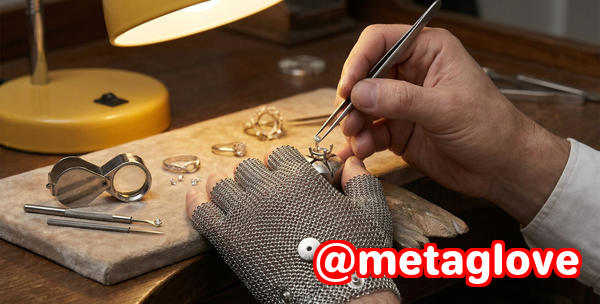
Why Chainmail Quality Matters
Before diving into the specifics of how to evaluate chainmail, let’s talk about why it’s so important. Chainmail, when made correctly, can be a vital safety toolwhether it’s for personal protection in industrial settings, food handling, or just as part of a cosplay costume. But it’s all too easy to purchase something that looks the part, only to find out it falls short when it matters most.
Common Issues with Low-Quality Chainmail
-
Weak Welds: Chainmail with poorly welded rings or open rings can fall apart easily under stress, which is a serious concern if you’re relying on it for protection.
-
Low-Grade Stainless Steel: Some manufacturers use cheaper grades of stainless steel that rust or corrode over time, which can undermine the effectiveness of the chainmail.
-
Inconsistent Weaves: If the weave pattern isn’t tight or uniform, the strength of the chainmail can be compromised.
By learning how to inspect these factors, you’ll be better equipped to make informed decisions that ensure you get the quality you deserve.
Key Features to Inspect When Buying Chainmail
1. Material Type: Stainless Steel Grades 304 vs. 316
The material used in the construction of chainmail is the foundation of its quality. The two most common stainless steel grades used in chainmail are 304 and 316.
-
304 Stainless Steel: This is the most commonly used stainless steel for general applications. It’s durable, resists rusting, and is relatively affordable. However, it’s not as corrosion-resistant as 316, especially in harsh or food-related environments.
-
316 Stainless Steel: This grade is more resistant to corrosion, especially in environments exposed to salt or chemicals. If you’re looking for chainmail for food processing or industrial use, 316 is the better choice.
Tip: If you’re unsure about the material, don’t hesitate to ask the seller for the specific grade of stainless steel used. It’s a small detail that can make a big difference in longevity and safety.
2. Welded Rings vs. Open Rings
One of the biggest mistakes people make when evaluating chainmail is not distinguishing between welded rings and open rings. This is a critical difference in terms of durability.
-
Welded Rings: These are rings that have been permanently joined together, creating a solid, durable weave. Welded rings ensure the chainmail won’t fall apart under pressure, making them ideal for protective applications like cut-resistant gloves or food processing aprons.
-
Open Rings: As the name suggests, these rings aren’t welded shut. While they may look similar, open rings can easily come apart, reducing the integrity of the chainmail. They might be fine for display pieces or lightweight uses, but they’re not suitable for safety-critical applications.
How to Inspect: Gently tug on a few ringsif they move or come apart, they’re open rings. If they hold firm, they’re welded.
3. Wire Thickness and Ring Diameter
When inspecting chainmail, it’s not just about what you see on the surface. The thickness of the wire used to make the rings and the inner diameter of those rings also play an important role in the strength of the chainmail.
-
Wire Thickness: Thicker wire tends to be stronger and more durable. While thinner wire may look more delicate, it’s also more likely to break or bend under stress.
-
Ring Diameter: A smaller inner diameter leads to a denser weave, making the chainmail stronger and more resistant to cuts. A larger diameter can make the chainmail more flexible but also less protective.
Tip: For protective chainmail, especially in industrial or food-handling environments, go for a thicker wire with a smaller ring diameter. This will provide the best combination of durability and protection.
4. Weave Patterns: European 4-in-1
Chainmail comes in different weave patterns, each with its own strengths. The most common and strongest weave is the European 4-in-1 pattern, which is often the best choice for protective chainmail.
In this pattern, each ring is linked to four others, forming a dense, interconnected web. This type of weave offers high resistance to impact and cutting forces, making it ideal for safety gear.
Tip: Look for uniformity in the weave. If the weave looks uneven or irregular, it might indicate poor craftsmanship, which can affect the chainmail’s overall strength.
5. Corrosion and Signs of Poor Craftsmanship
No matter how well chainmail is made, exposure to moisture or harsh environments can lead to corrosion, especially if the material isn’t high-quality stainless steel. If you notice any discoloration, rust, or unusual stains on the chainmail, it could be a sign of poor material quality or insufficient finishing.
In addition to corrosion, inspect the rings closely for any signs of improper welding, such as gaps, inconsistencies, or weak spots where rings might not have been fully closed.
How to Inspect: Use a magnifying glass or simply look for signs of wear and tear. Feel free to ask for a return policy in case you find any issues after purchase.
Real-Life Applications and Practical Tips
Now that we know how to evaluate the quality of chainmail, let’s look at some real-world applications and tips on how to make sure you’re buying the right product for your needs.
Industrial Use (Cut-Resistant Gear)
For industries like food processing or manufacturing, protective chainmail is essential for worker safety. The key here is durabilitylook for chainmail that uses 316 stainless steel with welded rings and a tight European 4-in-1 weave. This combination offers the highest level of protection against cuts and abrasions.
Cosplay and Historical Replicas
For cosplay or historical reenactments, you may not need the same level of protection, but you’ll still want chainmail that holds up over time. A lighter-weight chainmail with 304 stainless steel and open rings might be sufficient for these purposes, but always double-check the weave pattern for consistency.
Collecting and Display
If you’re buying chainmail for a collection or display piece, aesthetics may be more important than functionality. Even so, make sure the material is rust-resistant and that the rings are securely fastened.
Conclusion
By following the inspection methods outlined above, you can confidently purchase high-quality chainmail that meets your needswhether for safety, display, or cosplay. I highly recommend using these steps when evaluating any chainmail product to ensure it’s up to your standards.
Learn more about identifying high-quality chainmail products: Aegimesh Chainmail Inspection Guide
Frequently Asked Questions (FAQ)
-
How can I tell if a chainmail ring is welded or open?
Simply tug on a few rings. Welded rings will stay intact, while open rings will come apart.
-
Which stainless steel grade is best for long-lasting chainmail?
316 stainless steel is the best for corrosion resistance and durability, especially in industrial and food-handling environments. -
How do I inspect the weave pattern for strength?
Look for a tight, consistent European 4-in-1 weave. Any irregularities can weaken the chainmail.
-
What are the signs of low-quality or unsafe chainmail?
Look for open rings, poor welding, and signs of corrosion or rust.
-
Can decorative chainmail be used for protective purposes?
Not typically. Decorative chainmail often uses open rings and lighter materials, which aren’t suitable for protection.
-
How do I choose the right chainmail for industrial vs. cosplay use?
For industrial use, go for thicker wire, welded rings, and a tight weave. For cosplay, lighter, more flexible chainmail with open rings may be sufficient.
Tags/Keywords: chainmail quality, welded rings, stainless steel chainmail, cut-resistant chainmail, chainmail inspection, European 4-in-1 weave, chainmail durability