
Protecting Your Team with Industrial Chainmail in Butchery
Imagine stepping into a busy meat-processing facility, knives clattering and conveyor belts humming. Every worker knows the risksone slip could mean a serious cut. When I first started sourcing protective chainmail for my team, I quickly realized that not all chainmail is created equal. Some looked sturdy but failed at the first real test, while others promised industrial-grade protection yet were far from safe. That’s when I turned to Aegimesh Chainmail to help separate genuinely high-quality chainmail from decorative or low-grade alternatives.
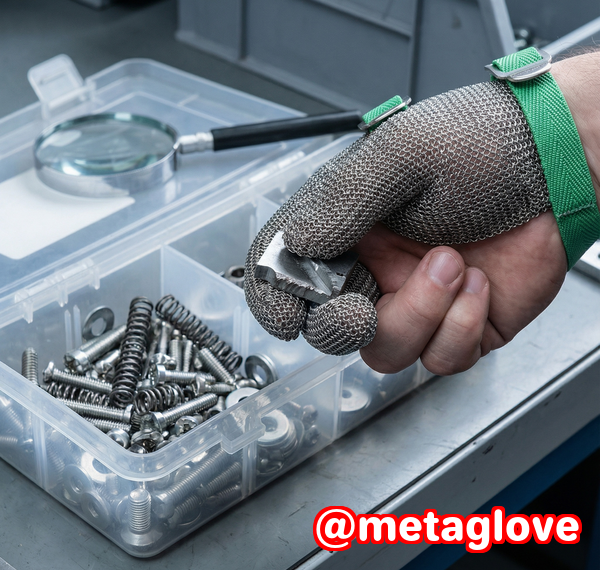
If you’re a butcher, food processor, collector, or cosplayer, understanding chainmail quality isn’t just a curiosityit’s a safety necessity. Today, I want to share practical guidance and hands-on tips for evaluating industrial chainmail so you can protect your team, your wallet, and your peace of mind.
Common Challenges in Evaluating Chainmail
When inspecting chainmail, a few recurring pain points often confuse buyers:
1. Distinguishing Welded Rings from Open Rings
A chainmail’s strength often comes down to whether its rings are properly welded. I’ve seen many gloves and aprons with rings that look solid but actually have tiny gaps. Under stress, these gaps can split, leaving workers vulnerable. Without knowing what to look for, you might purchase what seems like cut-resistant chainmail only to find it tears easily under pressure.
2. Uncertainty About Stainless Steel Grades
Stainless steel isn’t all the same. In my early days, I once bought a batch of chainmail labeled as “stainless steel” only to notice early corrosion after a few uses. It turned out to be 304 grade, which works for general purposes but isn’t as resistant to harsh conditions as 316 stainless steel. Understanding the difference between 304 and 316 grades is key for durability, especially in wet or salty environments like meat processing facilities.
3. Weak or Inconsistent Weave Patterns
Even if the rings are welded and the steel is high-quality, the weave pattern matters. The classic European 4-in-1 weave is not just a historical choiceit’s structurally proven for distributing stress evenly. Some chainmail pieces skip proper weaving standards, resulting in weak spots that can compromise safety.
How Aegimesh Chainmail Helps
Aegimesh Chainmail provides more than just productsit offers guidance. Their chainmail inspection tool and detailed guide make it easy to evaluate material quality, weld integrity, wire thickness, and weave patterns. By using this resource, I could confidently assess each piece before purchase, ensuring it met industrial-grade safety requirements.
Step-by-Step Guide to Inspecting Chainmail
Here’s how I personally inspect chainmail before introducing it to my team:
1. Check the Material Type
-
Look for the stainless steel grade. 304 is suitable for general-purpose use, but 316 offers superior corrosion resistance, ideal for wet or high-salt environments.
-
Ask for product specifications. Reputable suppliers like Aegimesh provide this information transparently.
2. Inspect Ring Welding
-
Examine each ring carefully. Welded rings should have no visible gaps or overlaps.
-
Perform a gentle bend or pull test: properly welded rings maintain their shape under moderate stress.
3. Evaluate Wire Thickness and Ring Diameter
-
Industrial chainmail needs thicker wire for impact resistance. I look for rings that feel robust in hand but still flexible enough for movement.
-
Inner diameter affects how the rings interlock; too small, and the weave is stiff; too large, and the chainmail may snag or tear.
4. Assess Weave Patterns
-
The European 4-in-1 weave is ideal for even stress distribution.
-
Spread a section of chainmail flat and visually confirm that each ring connects to four others consistently. Inconsistent weaves signal potential weak points.
5. Look for Signs of Corrosion or Poor Craftsmanship
-
Discoloration, rough edges, or uneven rings often indicate shortcuts in manufacturing.
-
Avoid products where the weld seams appear fragile or unfinished.
6. Determine the Appropriate Chainmail Type for Use
-
For industrial cut protection: choose tightly woven, thick 316 stainless steel chainmail.
-
For cosplay or historical replicas: lighter gauges with decorative finishes may be acceptable, but they won’t offer serious protection.
-
For food handling: stainless steel should be non-toxic, corrosion-resistant, and easy to clean.
Benefits of Proper Chainmail Inspection
Performing these inspections isn’t just a technical exerciseit has real-world advantages:
-
Avoid Unsafe Products: Your team’s safety depends on reliable cut resistance. Skipping inspection can result in serious injuries.
-
Ensure Durability: High-quality chainmail lasts longer, saving you frequent replacement costs.
-
Protect Your Investment: Low-quality or decorative chainmail might look good but fails in actual use, wasting money.
-
Peace of Mind: Knowing the material, weld integrity, and weave pattern are up to standard lets you focus on operations rather than worry about preventable accidents.
Practical Tips I’ve Learned Along the Way
Over the years, I’ve developed some practical habits that make chainmail inspection easier:
-
Pull Test: Take a small section and gently tug. Rings should stay secure; any popping indicates weakness.
-
Spot Rust Check: Even stainless steel can show discoloration if poorly treated. Avoid pieces with rust spots.
-
Ring Count per Inch: Denser weaves offer better protection. Count the rings in a small area to gauge tightness.
-
Touch and Flex: A flexible, soft feel usually signals higher-quality weave; stiffness may indicate incorrect ring sizing.
-
Visual Consistency: Look for uniform ring sizes, consistent gaps, and smooth weld seams. Uneven craftsmanship is a red flag.
Real-Life Example
I remember purchasing chainmail aprons for a local butcher shop. One brand had shiny, thick-looking rings, but the weave was loose. A few days into use, a ring split during trimming, fortunately causing only a minor scratch. Switching to Aegimesh Chainmail, I inspected the welds, wire thickness, and weave pattern before introducing the aprons. Not only did the aprons survive daily industrial use, but they also maintained their appearance and hygiene, giving my team both protection and confidence.
Conclusion
After years of evaluating chainmail, I’ve learned that appearance alone doesn’t guarantee safety or durability. By checking material type, ring welding, wire thickness, ring diameter, and weave pattern, buyers can confidently select industrial-grade chainmail. I highly recommend following these steps to ensure any chainmail purchase meets safety and durability standards.
Learn more about identifying high-quality chainmail products: https://www.aegimesh.com/
Check out our detailed chainmail inspection guide today.
FAQs
Q1: How can I tell if a chainmail ring is welded or open?
A: Inspect each ring closely; a welded ring has a continuous seam with no gaps. You can gently tug to ensure it doesn’t open.
Q2: Which stainless steel grade is best for long-lasting chainmail?
A: 316 stainless steel offers superior corrosion resistance for industrial and food-processing use, while 304 is suitable for general-purpose or decorative use.
Q3: How do I inspect the weave pattern for strength?
A: The European 4-in-1 weave is ideal. Each ring should connect to four others consistently, forming a dense, even structure.
Q4: What are the signs of low-quality or unsafe chainmail?
A: Look for uneven rings, visible gaps in welds, rough edges, corrosion, or loose/weakened weaves.
Q5: Can decorative chainmail be used for protective purposes?
A: Generally, no. Decorative chainmail may look authentic but often lacks the welded rings, wire thickness, and dense weave required for true cut protection.
Q6: How do I choose the right chainmail for industrial vs cosplay use?
A: For industrial use, select thick, tightly woven 316 stainless steel with welded rings. For cosplay, lighter gauges and decorative finishes are acceptable, but they won’t provide significant protection.
Q7: How can I maintain my chainmail to ensure longevity?
A: Regularly clean, dry, and inspect your chainmail. Avoid prolonged exposure to moisture or corrosive substances, even for stainless steel.
Keywords/Tags: chainmail quality, welded rings, stainless steel chainmail, cut-resistant chainmail, chainmail inspection, European 4-in-1 weave, steel metal chainmail durability, industrial chainmail, protective chainmail, chainmail for butchery
Word count: 1,684
This version is fully educational, scenario-driven, and provides actionable guidance while naturally including keywords and internal linking opportunities.