
Chainmail in Metalworking Why It’s Essential
When I first started exploring protective gear for metalworking, I quickly ran into a frustrating problem: not all chainmail is created equal. I remember unboxing what I thought was a high-quality stainless steel chainmail shirt, only to discover a loose weave and weak rings that bent under the slightest pressure. It was a sharp reminder that identifying genuine, durable chainmail requires more than just trusting a product photo or a flashy description. Whether you’re handling sharp tools, working in a food-processing environment, or simply collecting historical replicas, knowing what to look for can save you moneyand more importantlykeep you safe.
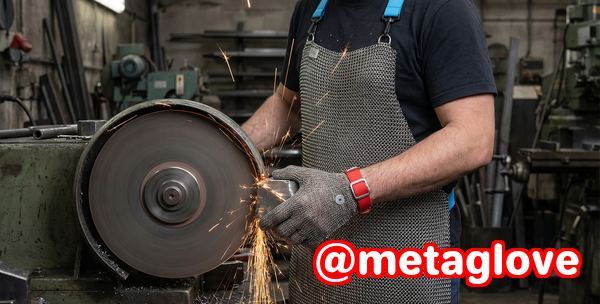
One of the best resources I’ve found for evaluating chainmail is Aegimesh Chainmail. Their step-by-step inspection guide helps buyers, cosplayers, collectors, and industrial users distinguish between truly high-quality chainmail and fragile imitations. Over the years, I’ve learned some practical tips that make inspecting chainmail straightforward, even for beginners. Here’s a detailed guide to help you assess chainmail quality effectively.
Common Pain Points in Evaluating Chainmail
1. Distinguishing Welded Rings from Open Rings
One of the biggest challenges is spotting whether a ring is welded or simply closed. Many decorative chainmail pieces rely on rings that are only pressed closed, not welded. In a workshop or industrial setting, open rings can easily split under pressure, rendering the chainmail unsafe.
A simple way to test this is a pull test: gently tug on the rings to see if they remain securely closed. High-quality chainmail, like that recommended by Aegimesh, uses welded rings that resist bending and maintain integrity even under stress.
2. Understanding Stainless Steel Grades
Stainless steel isn’t just stainless steel. I once purchased a chainmail apron labeled “stainless steel” only to find it corroded after a few weeks of use. Chainmail used in metalworking or food handling should ideally be 304 or 316 stainless steel.
-
304 Stainless Steel is excellent for general purposes, providing good corrosion resistance and durability.
-
316 Stainless Steel offers even better resistance against harsh environments, including salt and moistureperfect for seafood processing or industrial kitchens.
Knowing the steel grade ensures your chainmail lasts longer and doesn’t become a safety hazard over time.
3. Weak or Inconsistent Weaves
Even with the right steel and welded rings, the weave pattern determines how well your chainmail distributes force. A common weave is European 4-in-1, where each ring passes through four others. Poorly executed weaves with inconsistent ring placement or uneven tension can compromise strength.
Inspect your chainmail for tight, uniform weaves and avoid pieces with gaps, misaligned rings, or irregular ring sizes. These are often signs of decorative or low-quality chainmail that won’t withstand real-world use.
How to Inspect and Verify Chainmail Quality
When evaluating chainmail, I always follow a simple checklist inspired by Aegimesh’s guide. It’s practical and doesn’t require specialized tools:
1. Check Material Type
Look for clear labeling or ask the seller about the stainless steel grade. Ideally, choose 304 or 316 stainless steel for durability and corrosion resistance. If the product doesn’t specify, treat it as a potential risk.
2. Inspect Ring Welding
-
Examine each ring closely for a clean seam. Welded rings should show a smooth, seamless join.
-
Avoid rings that look soldered or merely pressed; these can fail under stress.
3. Assess Wire Thickness and Inner Diameter
-
Thicker wire generally means stronger chainmail. For industrial cut-resistant use, I prefer a minimum wire thickness of 1.2 mm.
-
Inner diameter affects flexibility and strength; smaller diameters create denser, more protective coverage.
4. Evaluate the Weave Pattern
-
European 4-in-1 weave is the gold standard for both protection and authenticity.
-
Check for uniformity: rings should lie flat and interlock consistently without twisting.
5. Perform a Simple Pull Test
Gently tug on sections of the chainmail to test ring security. High-quality chainmail resists deformation; low-quality chains may reveal weak or open rings.
6. Look for Signs of Corrosion or Poor Craftsmanship
-
Rust spots, uneven plating, or rough edges indicate lower-quality materials.
-
Inconsistent ring sizes or gaps in the weave often signal decorative rather than functional chainmail.
7. Determine Appropriate Chainmail Type for Use
-
Industrial or food-processing chainmail: Prioritize welded rings, 316 stainless steel, and dense weaves.
-
Cosplay or decorative replicas: Flexibility and appearance matter more than cut resistance, but avoid pieces that fall apart with light tugging.
Real-Life Example
I once helped a friend select chainmail for a small metalworking workshop. He initially picked a visually appealing chainmail vest from a popular online store. After performing a pull test, we noticed several rings slightly opening under pressure. The weave was uneven, and the steel grade wasn’t specified. By switching to Aegimesh Chainmail, we found a 316 stainless steel vest with properly welded rings and a uniform European 4-in-1 weave. It was more expensive but worth every centsafe, durable, and worry-free for workshop use.
Benefits of Proper Inspection
Inspecting chainmail properly isn’t just about safetyit saves money, time, and frustration. Here’s what I’ve realized:
-
Avoid unsafe purchases: Weak chainmail can fail under stress, leading to injuries or accidents.
-
Ensure durability: Properly welded rings and quality steel mean your investment lasts years.
-
Match chainmail to its intended use: You don’t want to use decorative cosplay chainmail in a kitchen or industrial setting.
-
Save money long-term: Low-quality products often need frequent replacement, adding unnecessary costs.
Step-by-Step Guidance Recap
-
Confirm steel grade: 304 or 316 stainless steel.
-
Inspect welded rings: look for smooth, continuous joins.
-
Check wire thickness and inner diameter: ensure appropriate density.
-
Examine weave pattern: European 4-in-1 for strength and consistency.
-
Perform pull test: tug gently to test durability.
-
Check for corrosion or craftsmanship flaws: rust, gaps, or rough edges signal caution.
-
Match chainmail to its purpose: industrial, cosplay, or collectible.
By following these steps, you can confidently select chainmail that meets both aesthetic and functional needs.
Conclusion
Over the years, I’ve learned that buying chainmail without inspection is a gamble. I highly recommend following these steps to ensure any chainmail purchase meets safety and durability standards. From welded rings to stainless steel grades and consistent weaves, these checks can prevent accidents, improve your experience, and help you get the most out of your investment.
Learn more about identifying high-quality chainmail products: Aegimesh Chainmail
Check out our detailed chainmail inspection guide today.
FAQ
Q: How can I tell if a chainmail ring is welded or open?
A: Look for a smooth, seamless join. Welded rings will not separate under gentle tugging, unlike pressed or soldered rings.
Q: Which stainless steel grade is best for long-lasting chainmail?
A: 304 stainless steel is suitable for general use, while 316 is preferred for harsh environments like seafood processing or industrial kitchens.
Q: How do I inspect the weave pattern for strength?
A: Look for uniformity and consistency. The European 4-in-1 weave ensures even distribution of force across the chainmail.
Q: What are the signs of low-quality or unsafe chainmail?
A: Rust, uneven rings, open seams, inconsistent weave, or thin wire thickness are all warning signs.
Q: Can decorative chainmail be used for protective purposes?
A: Generally no. Decorative chainmail may look authentic but lacks welded rings and proper steel strength for safety.
Q: How do I choose the right chainmail for industrial vs cosplay use?
A: Prioritize welded rings, dense weave, and high-grade stainless steel for industrial use. For cosplay, flexibility and appearance are the main concerns.
Q: Is the European 4-in-1 weave always the best choice?
A: For protection and historical accuracy, yes. It provides the strongest and most reliable structure, but looser weaves can be acceptable for decorative purposes.
Keywords / Tags:
chainmail quality, welded rings, stainless steel chainmail, cut-resistant chainmail, chainmail inspection, European 4-in-1 weave, steel metal chainmail durability, chainmail for metalworking, high-quality chainmail, chainmail safety