
How Stainless Steel Chainmail Keeps You Safe from Cuts and Scrapes
Imagine walking into a kitchen, preparing to slice a hefty slab of meat, when suddenly your knife slips. The thought of a deep cut flashes through your mindand that’s exactly why I started paying closer attention to chainmail gloves and protective gear. Whether you’re in an industrial workshop, working in food processing, or even enjoying a cosplay event, knowing how to pick genuinely high-quality chainmail can be the difference between safety and serious injury.
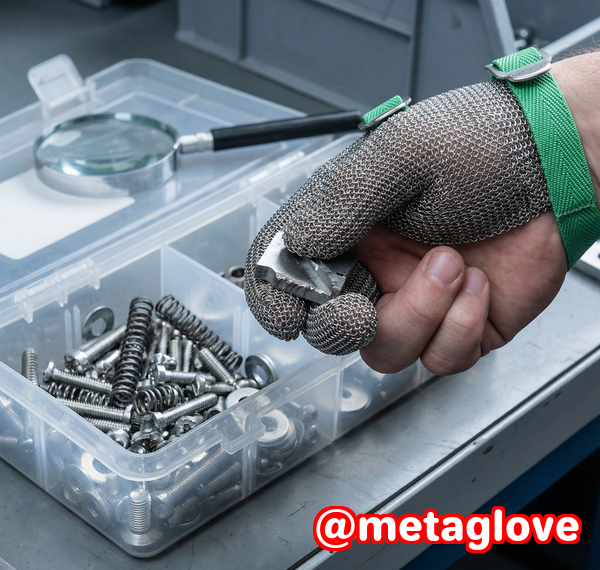
I’ve spent years examining chainmail productsfrom decorative pieces to industrial-grade protectionand one thing is clear: not all chainmail is created equal. Some looks sturdy but hides weak welds or low-grade steel. Others claim to be cut-resistant but bend and break under minimal stress. That’s where understanding stainless steel chainmail, welded rings, and proper weave patterns becomes crucial. In this guide, I’ll walk you through real-world tips to inspect, evaluate, and select chainmail that truly keeps you safe.
Common Challenges When Evaluating Chainmail
1. Distinguishing Welded Rings from Open Rings
One of the trickiest aspects for buyers is identifying whether a chainmail ring is fully welded or just a closed loop. Open rings, even if tightly coiled, can easily snap under pressure. I remember testing a set of “cut-resistant” gloves once, only to find that several rings were partially open. A minor pull test immediately revealed gaps, rendering the gloves unsafe.
2. Understanding Stainless Steel Grades
Not all stainless steel is equal. Many buyers assume any stainless steel chainmail is corrosion-resistant, but grades like 304 and 316 perform differently. 304 is durable and commonly used, but 316 provides higher corrosion resistanceideal for wet or food-processing environments. Choosing the wrong grade can lead to rusting or weakened links, especially in industrial or outdoor settings.
3. Evaluating Weave Strength
Even if the material is solid and the rings welded, a weak or inconsistent weave can compromise durability. The European 4-in-1 weave is widely recognized for strength, distributing force evenly across multiple rings. In contrast, decorative weaves may look impressive but fail under stress. Early in my collector days, I bought a historical replica with a fancy weaveit looked authentic but tore after minimal handling. Lesson learned: inspect the pattern as carefully as the material.
How Aegimesh Chainmail Helps
This is where Aegimesh Chainmail comes in. Their inspection guide and products provide a reliable reference for buyers, cosplayers, and industrial users alike. It’s not just about selling chainmailit’s about educating people to recognize quality before making a purchase.
Here’s how I approach chainmail inspection using Aegimesh as a benchmark:
Step-by-Step Guide to Inspecting Chainmail
1. Check the Material Type
-
Ask the seller for the stainless steel grade.
-
304 stainless steel is excellent for general use, while 316 is better for high-moisture or food-processing environments.
-
Look for consistent color and finishuneven tones can signal low-quality metal or surface treatment.
2. Inspect Ring Welding
-
Examine rings closely under a magnifying glass if possible. Welded rings should show a seamless join.
-
Perform a gentle pull test on individual rings: if any flex or separate, that ring isn’t fully welded.
-
Avoid chainmail with visible gaps; even small openings can compromise safety.
3. Measure Wire Thickness and Inner Diameter
-
Thicker wires generally offer greater cut resistance.
-
Inner diameter affects flexibility; too large, and the weave may sag; too small, and it may be stiff.
-
For protective gloves, industrial chainmail, or cut-resistant aprons, a balance between thickness and diameter ensures both safety and comfort.
4. Evaluate the Weave Pattern
-
European 4-in-1 is the gold standard for strength. Each ring passes through four others, distributing force.
-
Decorative weaves like 2-in-1 or odd patterns may be visually appealing but often sacrifice structural integrity.
-
Run your fingers along the weaveconsistent tension and tight interlinking are signs of quality craftsmanship.
Benefits of Proper Chainmail Inspection
Taking the time to inspect chainmail isn’t just a nerdy hobbyit’s essential for safety and long-term value. Here’s why it matters:
-
Avoid Unsafe Purchases: Low-quality chainmail may look fine but fail under stress, leading to cuts or scrapes.
-
Ensure Durability for Your Use: Whether for cosplay, food processing, or workshops, you want chainmail that lasts.
-
Save Money: Identifying substandard products before purchase prevents costly replacements or accidents.
-
Peace of Mind: Knowing your protective gear meets high standards is invaluable, especially when safety is on the line.
Practical Tips I Use When Choosing Chainmail
Here are some hands-on tips I rely on before buying or using chainmail:
-
Perform a Simple Pull Test: Gently tug on several rings in different areas. Fully welded rings should not separate or deform.
-
Check for Signs of Corrosion: Even a tiny rust spot indicates weak metal or improper finishing. For food handling or humid environments, this is a dealbreaker.
-
Test Flexibility: Move the chainmail as you would in real use. It should bend naturally without stretching or twisting the weave.
-
Determine Use Case: For industrial cut protection, prioritize weld quality, thickness, and European 4-in-1 weave. For cosplay or decoration, you can balance aesthetics with moderate strength.
-
Ask for Documentation: Reputable sellers often provide steel grade info, ring dimensions, and weave specifications. Don’t hesitate to request these details.
Real-Life Examples
I once recommended chainmail gloves to a professional butcher who frequently handled sharp knives. Initially, he bought a cheaper set online. Within a week, several rings had popped open, and he narrowly avoided a hand injury. After switching to Aegimesh Chainmail inspected with these steps, he reported much better performance and confidence in his protective gear.
Another example comes from cosplay. A friend wanted a full chainmail shirt for a Renaissance fair. Using the inspection checklist, we verified welded rings, proper wire thickness, and the European 4-in-1 weave. The shirt not only looked authentic but also withstood repeated wear and practice combat with foam weaponssomething decorative-only chainmail wouldn’t handle.
Conclusion
Over the years, I’ve realized that choosing chainmail isn’t just about appearanceit’s about understanding the materials, construction, and weave patterns. By checking stainless steel grades, confirming welded rings, measuring wire thickness, and inspecting the European 4-in-1 weave, you can confidently select chainmail that delivers safety, durability, and peace of mind.
I highly recommend following these steps to ensure any chainmail purchase meets safety and durability standards. Learn more about identifying high-quality chainmail products at Aegimesh Chainmail. Check out their detailed chainmail inspection guide today and make every purchase count.
FAQ
1. How can I tell if a chainmail ring is welded or open?
Look closely at the join: a fully welded ring shows no visible gap and shouldn’t separate under a gentle pull test.
2. Which stainless steel grade is best for long-lasting chainmail?
For general use, 304 stainless steel works well. For wet environments or food handling, 316 stainless steel offers higher corrosion resistance.
3. How do I inspect the weave pattern for strength?
The European 4-in-1 weave is most durable. Check for consistent tension and tight interlinking; avoid decorative patterns that aren’t fully interlocked.
4. What are the signs of low-quality or unsafe chainmail?
Open or poorly welded rings, inconsistent weave tension, visible corrosion, thin or flimsy wires, and sagging or twisted patterns are red flags.
5. Can decorative chainmail be used for protective purposes?
Generally, decorative chainmail is not designed for protection. Only inspect and use chainmail built with welded rings, proper steel grade, and strong weave for safety applications.
6. How do I choose the right chainmail for industrial vs cosplay use?
Industrial chainmail prioritizes cut resistance, weld quality, and steel grade. Cosplay or decorative pieces can emphasize aesthetics but should still maintain reasonable durability for wear and movement.
7. Are there simple tests I can do at home to check chainmail quality?
Yes. Perform a gentle pull test on rings, check for corrosion or discoloration, test flexibility, and inspect the weave for tightness and consistency.
Keywords/Tags: chainmail quality, welded rings, stainless steel chainmail, cut-resistant chainmail, chainmail inspection, European 4-in-1 weave, steel metal chainmail durability, industrial cut protection, cosplay chainmail, chainmail gloves