
Cut-Resistant Stainless Steel Chainmail: The Perfect Solution for Hazardous Environments
When it comes to safety, especially in hazardous environments, the quality of your protective gear matters more than anything else. Whether you’re working in food processing, handling sharp materials in an industrial setting, or even participating in cosplay, the last thing you want is to discover that your protective chainmail isn’t up to standard. Many buyers, like myself, have faced the dilemma of choosing the right chainmail for the job and ensuring it’s of high quality, durable, and safe.
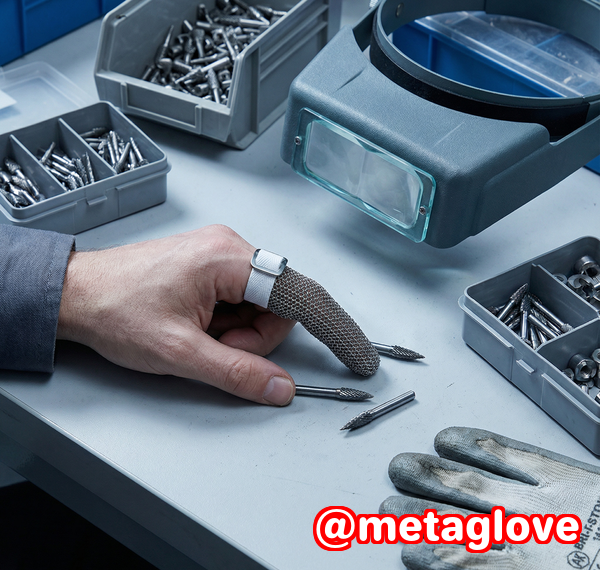
In this article, I’ll guide you through identifying high-quality chainmail products, explaining how to evaluate everything from the material and welding quality to the weave patterns. If you’ve ever been uncertain about what makes one chainmail set better than another, or how to avoid low-quality, unsafe options, this post is for you.
The Importance of Quality Chainmail
Chainmail, traditionally used in medieval armor, has evolved into an essential tool for modern-day safety applications, from protecting against cuts in industrial environments to being a popular material in cosplay. But with the rise of chainmail’s popularity, there’s also a rise in imitations. Not all chainmail is created equal. Low-quality chainmail can be unsafe, uncomfortable, and even dangerous in some environments.
So, how do you ensure you’re getting the best protection? It’s all about quality control, and that starts with understanding the basic elements that make up a high-quality chainmail product.
Common Challenges When Evaluating Chainmail Quality
As someone who’s spent time evaluating chainmail, I can tell you that there are a few key pain points most buyers face when determining whether a product is worth their investment. Here are the biggest challenges:
-
Welded Rings vs Open Rings
It can be tough to distinguish between welded rings and open rings. Open rings are less durable and more prone to falling apart, but they’re often used in cheaper, lower-quality chainmail. Welded rings, on the other hand, are more reliable and provide better protection. Spotting the difference is essential for making a smart purchase.
-
Understanding Stainless Steel Grades
Many chainmail products are made from stainless steel, but not all stainless steel is created equal. The two main grades you’ll encounter are 304 and 316 stainless steel. 304 is more common and sufficient for most applications, but 316 is more corrosion-resistant, making it ideal for environments that are exposed to moisture or harsh chemicals. Choosing the right grade can make or break the durability and safety of your chainmail.
-
Weave Patterns and Durability
Weave patterns like the European 4-in-1 are known for their strength and durability. The weave you choose determines the flexibility, protection, and overall quality of the chainmail. Some weaves, like 6-in-1 or 8-in-1, are stronger but heavier, while the 4-in-1 weave strikes a balance between flexibility and protection. You want to ensure the weave is consistent, tight, and free of defects.
How to Inspect and Evaluate Chainmail Quality
So, what can you do to make sure you’re choosing high-quality, safe, and durable chainmail? Let’s break down the inspection process into easy-to-follow steps.
1. Material Type: 304 vs 316 Stainless Steel
The first step is to check the material used in the chainmail. Stainless steel is the most common choice, but there are different grades. Here’s what you need to know:
-
304 Stainless Steel: This is the standard option for most chainmail. It’s durable, corrosion-resistant in most environments, and generally affordable.
-
316 Stainless Steel: If you’re looking for top-tier corrosion resistance (ideal for saltwater environments, chemical handling, or food processing), 316 is the way to go.
To confirm the stainless steel grade, you can usually find this information from the manufacturer. If it’s not listed, it’s worth asking about before making a purchase.
2. Ring Welding: Welded vs Open Rings
Now that you’ve got the material covered, it’s time to check how the rings are joined together. You’ll want to verify that the rings are welded, not open.
Here’s why:
-
Welded rings are the best option for durability and strength. The ends of the rings are fused together using heat, creating a secure, lasting bond that won’t break apart under pressure.
-
Open rings are cheaper and can be easier to bend, making them unsuitable for protective gear or heavy-duty use.
To check this, look closely at the edges of the rings. Welded rings should show a visible weld seam, while open rings will look like they were simply threaded through each other without any bond.
3. Wire Thickness and Inner Diameter
The thickness of the wire used to make the rings plays a critical role in the strength of the chainmail. Thicker wires make for more durable chainmail, capable of withstanding impacts or cuts. If the wire is too thin, the chainmail will wear out faster, especially if it’s exposed to heavy-duty conditions.
Additionally, check the inner diameter of the rings. The rings should fit snugly together, but not be so tight that they impede movement. An ideal chainmail should allow for flexibility without compromising on protection.
4. Weave Patterns and Strength
The most common weave for chainmail is the European 4-in-1 pattern. In this pattern, each ring is woven through four others, creating a tight, flexible, and durable structure. This weave is popular because it provides a balance of flexibility and protection.
When inspecting the weave:
-
Check for any inconsistencies in how the rings are interwoven.
-
Ensure that the rings lie flat against each other and that there are no gaps that could compromise the protective qualities of the chainmail.
5. Performing a Simple Pull Test
A quick and easy test to check the durability of chainmail is the pull test. Grab a section of the chainmail and pull on it gently. High-quality chainmail should not stretch excessively or come apart under moderate force. If the rings start to break or the weave loosens, the product is likely of poor quality.
6. Look for Signs of Corrosion or Rust
Finally, examine the surface of the chainmail for any signs of corrosion or rust. High-quality chainmail, especially made from stainless steel, should not show any visible corrosion. If it does, this could indicate a lower grade of steel or poor manufacturing.
Why Proper Chainmail Inspection Matters
Whether you’re purchasing chainmail for industrial cut protection, food handling, cosplay, or as a collector’s item, proper inspection is crucial. A high-quality chainmail set:
-
Offers superior protection in hazardous environments, reducing the risk of injury.
-
Lasts longer, saving you money in the long run by avoiding frequent replacements.
-
Ensures safety and durability, especially in critical settings like food processing or industrial workspaces.
By following the steps above, you can confidently assess the quality of any chainmail product before purchasing. Remember, buying cheap or low-quality chainmail may seem like a good deal, but in reality, it could cost you more in the form of potential injuries or early wear-and-tear.
Conclusion: Make Informed Chainmail Purchases
I highly recommend taking the time to inspect any chainmail product before buying, especially if it’s intended for safety or durability. Following the steps I’ve outlinedevaluating the material, checking the welds, measuring the wire thickness, and confirming the weave patternwill help you avoid low-quality products and ensure that what you’re purchasing is genuinely protective and long-lasting.
Ready to take your chainmail knowledge to the next level?
Learn more about identifying high-quality chainmail products: Aegimesh Chainmail Guide
Check out our detailed chainmail inspection guide today!
FAQs
1. How can I tell if a chainmail ring is welded or open?
Look closely at the edges of the rings. Welded rings will have a visible seam where the ends are fused together, while open rings will appear as if the ends are simply linked together without any bond.
2. Which stainless steel grade is best for long-lasting chainmail?
316 stainless steel is the most durable, especially in environments exposed to moisture or chemicals. For general use, 304 stainless steel is sufficient.
3. How do I inspect the weave pattern for strength?
Check for consistency in the pattern. The European 4-in-1 weave should be tight and uniform, with no gaps or looseness in the rings.
4. What are the signs of low-quality or unsafe chainmail?
Low-quality chainmail may have open rings, thin wires, inconsistent weaves, or visible corrosion. These can compromise both the safety and durability of the product.
5. Can decorative chainmail be used for protective purposes?
While decorative chainmail can look great, it may not be as durable or protective as chainmail made for industrial use. Always check the quality before relying on it for protection.
6. How do I choose the right chainmail for industrial vs cosplay use?
For industrial use, focus on strength, corrosion resistance, and proper welding. For cosplay, prioritize comfort, appearance, and flexibility, though you still want to ensure it’s durable enough for use.