
Chainmail Arm Guards That Balance Mobility and Safety
When shopping for chainmail arm guards, whether for industrial use, cosplay, or as a collector’s item, the question often arises: How can I ensure that the chainmail I’m buying is of good quality and will actually protect me? With so many options available, it’s easy to get overwhelmed by choices, or worse, to fall for low-quality products that may not offer the protection or durability you need. In this post, I’ll walk you through how to evaluate chainmail arm guards to balance mobility with safety, so you can make an informed purchase that won’t let you down.
Understanding the Challenge: Choosing the Right Chainmail
Chainmail products have a unique appeal. They’re used for everything from protecting workers in food processing plants to adding authenticity to medieval costumes for cosplay. However, a lot of people don’t realize that not all chainmail is created equal. Whether you’re after chainmail gloves for cut protection, decorative pieces for your collection, or industrial-grade arm guards for safety, there are several factors that will make the difference between a good purchase and a risky one.
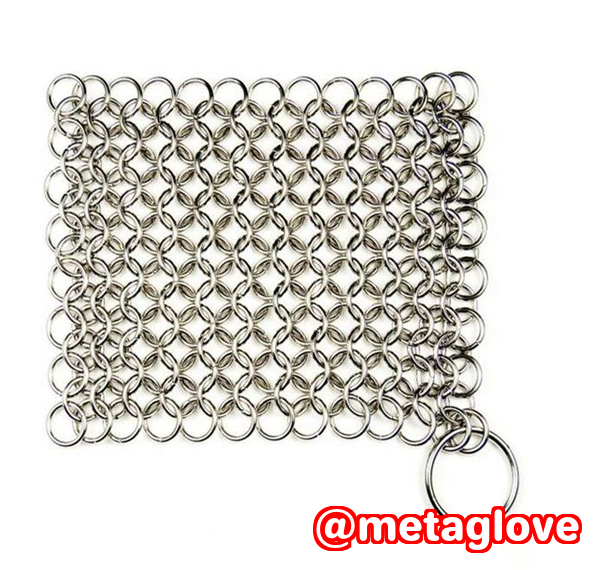
Here are some of the common pain points that can leave you scratching your head:
-
Welded vs. Open Rings: You’ve probably heard the term “welded rings” thrown around, but how can you tell if the chainmail you’re looking at is really welded or if it’s simply woven together loosely? This is crucial because welded rings ensure the integrity of the piece, especially in demanding environments.
-
Material Confusion: Stainless steel is often the go-to material, but did you know there are different grades of stainless steel? 304 and 316 are both popular, but they have significant differences in strength and corrosion resistance.
-
Weave Inconsistencies: Not all weaves are created equal either. The European 4-in-1 weave is the most durable and commonly used pattern for a reason: it provides excellent protection while maintaining flexibility. But how can you identify a good weave from a poorly executed one?
These are just a few examples of what you’ll face when shopping for chainmail. But fear not! I’ve put together a simple guide on how to evaluate chainmail quality, focusing specifically on arm guards and other protective products.
Step-by-Step Guide to Evaluating Chainmail Arm Guards
1. Inspect the Material
When it comes to chainmail, the material is everything. For durability and safety, you’ll want to choose high-quality stainless steel, with 304 and 316 being the two most common grades.
-
304 Stainless Steel: This is the more affordable option and is perfect for non-industrial uses like cosplay or decorative pieces. It’s durable, but it lacks some of the corrosion resistance that 316 offers.
-
316 Stainless Steel: For industrial use or high-risk environments, 316 stainless steel is the best choice. It has superior corrosion resistance, which makes it ideal for food processing, high-humidity areas, or outdoor use where rust is a concern.
Tip: When inspecting chainmail, check for a clear indication of the material used. If it’s not listed, ask the seller or manufacturer about it. You don’t want to take risks with subpar materials, especially if you’re buying for industrial use or safety.
2. Check the Ring Welds
Now let’s talk about the rings. Chainmail is made up of hundreds (or thousands) of individual rings, and their integrity plays a major role in the overall quality of the product. A key factor to look for is whether the rings are welded or open.
-
Welded Rings: These are rings that have been permanently fused together, which makes them much more durable and safe for industrial use. They won’t pull apart under pressure, and they help maintain the structural integrity of the entire weave.
-
Open Rings: These are simply rings that have been woven together but not welded. While they can still be effective for decorative or lightweight uses like cosplay, they’re not suitable for protective purposes where durability is essential.
How to Inspect: A simple way to tell is by looking at the ring’s seam. If you see a small “scarring” or gap where the two ends meet, it’s an open ring. On a welded ring, the ends will be fused seamlessly.
Pro Tip: Use a pull test to check the integrity of welded rings. Gently pull on the rings at a few spots to see if any give way. If you feel any rings loosening or breaking, it’s a sign of poor craftsmanship.
3. Evaluate the Wire Thickness and Inner Diameter
Chainmail’s strength also depends on the thickness of the wire used to make the rings and the inner diameter of those rings. A good rule of thumb is that the thicker the wire and the smaller the inner diameter, the stronger the chainmail will be.
-
Wire Thickness: This refers to the gauge of the wire used in the rings. The thicker the wire, the stronger the chainmail, which is especially important for industrial applications or for armor that needs to stop a blade.
-
Inner Diameter: The inner diameter is the space inside the ring. The smaller the diameter in relation to the thickness of the wire, the more resistant the weave will be to cutting or breaking. Larger diameters can be more flexible but less protective.
Tip: For industrial applications or cut-resistant chainmail, look for thicker wire with a smaller inner diameter to ensure maximum durability and safety.
4. Inspect the Weave Pattern
The weave pattern plays a big role in the durability and strength of the chainmail. One of the most reliable and commonly used patterns is the European 4-in-1 weave.
-
European 4-in-1 Weave: This is the standard for durable, high-quality chainmail. It’s strong and offers great mobility while protecting you from cuts and abrasions. This pattern links four rings in each direction, providing optimal strength and flexibility.
-
Other Weaves: There are several different weave patterns used in chainmail, and while some might look interesting, they don’t always offer the same level of protection as the 4-in-1 weave. For example, a 6-in-1 weave might be more rigid but less flexible, which could limit your mobility.
Tip: Always look for the European 4-in-1 weave for protection purposes. Decorative pieces may have more varied weaves, but when it comes to safety, this is the go-to choice.
5. Spotting Signs of Poor Craftsmanship
Even the best materials can be ruined by poor craftsmanship. When inspecting chainmail arm guards, be sure to look for:
-
Loose or uneven rings: This can compromise the overall strength of the piece.
-
Signs of rust or corrosion: Rust indicates that the material isn’t the high-quality stainless steel it was advertised as.
-
Irregular weaves: If the weave pattern looks inconsistent or uneven, that’s a red flag.
Pro Tip: Always check the chainmail for corrosion, especially around the seams or edges. If it’s being marketed as stainless steel, it shouldn’t rust easily, but signs of oxidation indicate poor quality or material issues.
6. Finding the Right Chainmail for Your Needs
Lastly, it’s important to choose the right chainmail for the intended use. Whether you’re buying arm guards for industrial cut protection or a decorative piece for cosplay, understanding the application is key to ensuring you get the right product.
-
For Industrial Use: Look for chainmail made from 316 stainless steel with welded rings and a European 4-in-1 weave.
-
For Cosplay or Decorative Use: You can opt for 304 stainless steel, open rings, and a looser weave since protection isn’t as important here.
-
For Food Processing: Again, 316 stainless steel is the best option for corrosion resistance and hygiene.
Pro Tip: If in doubt, always prioritize durability and protection, especially if the chainmail will be used in an industrial setting.
Conclusion: Ensuring Safety and Durability with Aegimesh Chainmail
Choosing the right chainmail arm guards or protective gear is more than just about looksit’s about ensuring that the product will stand the test of time and provide the protection you need. By following the steps I’ve outlined, you can easily assess chainmail quality, checking material, welds, wire thickness, and weave patterns.
I highly recommend following these steps to ensure any chainmail purchase meets safety and durability standards. And if you’re looking for a trusted source of high-quality chainmail, look no further than Aegimesh Chainmail.
FAQ
1. How can I tell if a chainmail ring is welded or open?
Look for a seam on the ringwelded rings will have no visible gap or seam, while open rings will show a small space where the ends meet.
2. Which stainless steel grade is best for long-lasting chainmail?
For long-lasting chainmail, especially for industrial use, 316 stainless steel is the best choice because it offers superior corrosion resistance.
3. How do I inspect the weave pattern for strength?
The European 4-in-1 weave is the most reliable for strength. If you see a loose or inconsistent weave, it’s a sign that the chainmail may not be durable.
4. What are the signs of low-quality or unsafe chainmail?
Look for rust, uneven rings, and poor craftsmanship. Low-quality chainmail will also have weak or inconsistent rings that could break under stress.
5. Can decorative chainmail be used for protective purposes?
Decorative chainmail, often made with open rings and lighter wire, is not