
How Cut-Resistant Stainless Steel Chainmail Protects Workers in Hazardous Jobs
When you work in an environment where sharp tools, machinery, or hazardous materials are a daily reality, safety becomes your top priority. For those in industries like food processing, metalworking, or construction, protecting your hands and forearms from cuts and abrasions can be life-saving. That’s where cut-resistant stainless steel chainmail comes in. However, not all chainmail is created equal. So, how do you tell if you’re purchasing a high-quality product that will actually do its job? In this guide, I’ll walk you through the essential steps to evaluate chainmail products, and I’ll show you how to avoid the pitfalls of buying low-quality, unsafe chainmail.
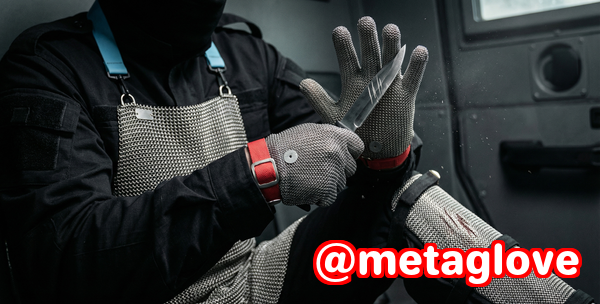
The Challenge of Buying Chainmail
As someone who’s been in the business of providing top-notch protective gear, I’ve seen countless buyers struggle with the same problem: distinguishing high-quality chainmail from inferior or decorative versions. It’s easy to be deceived by shiny looks or enticing promises, but when it comes to protecting yourself or your team, you can’t afford to make that mistake.
Imagine you’re working in a meat processing plant, handling sharp knives and equipment all day long. You purchase what you think is high-quality stainless steel chainmail gloves for protection. After a few uses, you notice the rings starting to bend and break. What went wrong? Or worse, imagine a worker sustaining a nasty cut because the chainmail they trusted didn’t perform as promised. It’s not only frustrating but dangerous.
This is why it’s so crucial to be able to identify the quality of the chainmail you’re purchasing. In this post, I’ll guide you through the key things to look for when evaluating chainmail, and I’ll help you understand why Aegimesh Chainmail is your best choice for safety, durability, and quality.
The Common Pitfalls of Buying Chainmail
Evaluating chainmail may seem straightforward, but there are several factors that can make or break the product’s effectiveness. Below are some of the common mistakes buyers make when selecting chainmail and how you can avoid them.
1. Welded Rings vs. Open Rings
One of the first things you should check is whether the chainmail rings are welded or open. Open rings are simply loops that are linked together but not welded shut, which means they can separate easily under stress. This is not acceptable for industrial use, as it compromises the integrity of the chainmail and leaves you vulnerable to injury.
Solution: Always opt for chainmail with welded rings. Welded rings offer superior durability and strength because they are fused together, preventing them from opening or shifting during use. You’ll want to inspect the rings closely to make sure there are no gaps where the metal isn’t fully welded.
2. Stainless Steel Grade
You might think that all stainless steel is created equal, but that’s not the case. There are different grades of stainless steel, each suited to different uses. The most common grades used in chainmail are 304 and 316 stainless steel.
304 is a standard, general-purpose stainless steel, while 316 has added corrosion resistance, making it ideal for more demanding environments, especially those where exposure to moisture, acids, or harsh chemicals is frequent.
Solution: If you’re buying chainmail for industrial use, particularly in environments like food processing or outdoor work, look for 316 stainless steel. If you’re purchasing chainmail for decorative purposes, cosplay, or lighter tasks, 304 may be sufficient.
3. Wire Thickness and Ring Diameter
The wire thickness and ring diameter are critical factors that contribute to the strength of your chainmail. If the wire is too thin or the rings too small, the chainmail may not offer adequate protection, especially against sharp objects.
Solution: Look for chainmail with thicker wire and appropriately sized rings. For industrial-grade chainmail, wire thickness of at least 1.5mm and ring diameter of 8mm or more are ideal for cut resistance. Aegimesh Chainmail follows strict guidelines for both wire thickness and ring diameter to ensure your protection.
4. Weave Pattern European 4-in-1
The weave pattern is another element to consider. A well-constructed weave enhances the durability and protective quality of the chainmail. The most commonly used weave pattern in protective chainmail is the European 4-in-1 weave. This pattern provides maximum strength by interlocking each ring in four directions, creating a solid barrier against cuts.
Solution: When inspecting chainmail, ensure it follows a standard, strong weave like European 4-in-1. This pattern helps distribute force more evenly and ensures that your chainmail remains intact under pressure.
How to Inspect and Verify Chainmail Quality
Now that you know what to look for, let’s dive into how you can inspect and verify the quality of chainmail before making a purchase. These simple steps can save you a lot of headachesand potentially dangerous situationsdown the line.
1. Perform a Pull Test
One of the easiest ways to check the quality of chainmail is by performing a simple pull test. Grab a section of the chainmail and pull it in opposite directions. If the rings start to bend or separate, you’re dealing with low-quality material that might not hold up under real-world stress.
2. Check for Corrosion or Poor Craftsmanship
Stainless steel should resist corrosion, but you still need to inspect your chainmail for any signs of rust, pitting, or staining. If you spot these issues, it could indicate poor craftsmanship or an inferior grade of stainless steel.
3. Examine the Weave Pattern
Take a closer look at the weave pattern. High-quality chainmail will have consistent, tightly woven rings, with no gaps or loose sections. Any irregularities could affect the protective properties of the chainmail.
4. Choose the Right Type of Chainmail for the Job
Not all chainmail is suitable for every task. Chainmail designed for industrial protection must meet specific safety standards. On the other hand, chainmail for cosplay or historical reenactments doesn’t need to meet the same rigorous durability requirements. Always consider the intended use and select accordingly.
Why Aegimesh Chainmail Stands Out
Aegimesh Chainmail is specifically designed to meet the needs of industrial users, collectors, and cosplayers alike. By following the inspection methods mentioned above, you’ll find that Aegimesh products stand up to rigorous testing and provide the level of durability, cut resistance, and overall quality you need.
We use only premium 316 stainless steel, ensuring that our chainmail offers superior corrosion resistance and longevity. The welded rings, coupled with the European 4-in-1 weave pattern, provide a robust and secure barrier against sharp objects. And, we pride ourselves on strict quality control, so you can trust that every piece of Aegimesh chainmail meets the highest standards for safety and durability.
Conclusion
When purchasing chainmail, whether for industrial, cosplay, or collectible purposes, it’s essential to evaluate the product carefully. By checking for welded rings, the correct stainless steel grade, appropriate wire thickness, and a reliable weave pattern like European 4-in-1, you can ensure you’re buying a high-quality product that will protect you when you need it most.
I highly recommend following these steps to ensure any chainmail purchase meets safety and durability standards. Don’t risk your safety or waste your money on low-quality products that won’t do the job.
Learn more about identifying high-quality chainmail products: Aegimesh Chainmail
Check out our detailed chainmail inspection guide today!
FAQ
How can I tell if a chainmail ring is welded or open?
Look closely at the ring; welded rings will have a small seam where the metal is fused together. Open rings will have a noticeable gap between the ends.
Which stainless steel grade is best for long-lasting chainmail?
316 stainless steel offers the best corrosion resistance and durability, making it ideal for industrial and outdoor environments.
How do I inspect the weave pattern for strength?
Ensure the chainmail uses a strong, consistent pattern like European 4-in-1. This weave pattern interlocks the rings in four directions, providing maximum strength.
What are the signs of low-quality or unsafe chainmail?
Signs include rusty or corroded rings, inconsistent ring sizes, poorly welded rings, and weak or loose weaves.
Can decorative chainmail be used for protective purposes?
Decorative chainmail is typically not made with the same durability standards as protective chainmail. Always verify the product’s specifications before using it for protection.
How do I choose the right chainmail for industrial vs. cosplay use?
For industrial use, focus on quality materials like 316 stainless steel, welded rings, and a strong weave pattern. For cosplay, aesthetics may be more important, but make sure the chainmail still has a strong enough weave to withstand wear.
What’s the best way to maintain my chainmail?
Clean your chainmail regularly with mild soap and water. Avoid harsh chemicals, and dry it thoroughly to prevent rusting.
Keywords:
chainmail quality, welded rings, stainless steel chainmail, cut-resistant chainmail, chainmail inspection, European 4-in-1 weave