
How Stainless Steel Chainmail Can Save Your Life in Dangerous Work Environments
When working in hazardous environments, whether in construction, food processing, or even on a movie set, the safety of your gear should always come first. But when it comes to chainmail, how do you know if the piece you’re purchasing is truly reliable? Is it going to protect you in a critical situation, or will it fall apart at the first sign of stress?
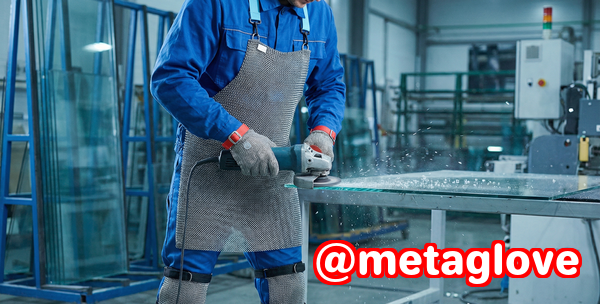
I’ve been in the position of buying chainmail for various purposessometimes for industrial safety, other times for cosplay or historical reenactmentsand I can tell you that finding high-quality chainmail isn’t always as simple as it seems. That’s why I want to help you understand how to evaluate chainmail properly, so you can ensure it serves its purpose: whether that’s protection from cuts in a dangerous job or just to look great at your next costume event.
Common Pain Points When Evaluating Chainmail
Here’s the thing about chainmail: it’s not always easy to tell what’s high-quality and what’s not. Many people, myself included, have made the mistake of buying chainmail that looks good online but turns out to be poorly made, fragile, or not even safe for its intended use. Let’s explore the key pain points you may encounter when evaluating chainmail, and how you can avoid them.
1. Welded Rings vs. Open Rings
One of the most common mistakes I’ve seen is the inability to distinguish between welded rings and open rings. Why does it matter? Well, welded rings are much stronger and safer than open rings. Open rings might look fine at first, but they can separate or break apart under stress, compromising your protection.
Here’s a quick tip: check the rings closely. Welded rings will have a smooth seam, and the wire will be visibly fused together. If you see any gaps or rough edges, you’re dealing with open rings, which are more prone to damage.
2. Stainless Steel Grades: 304 vs. 316
Not all stainless steel is created equal. In fact, there’s a big difference between the 304 and 316 grades of stainless steel. When evaluating chainmail, you want to ensure that you’re using the right grade for your needs. While 304 stainless steel is strong, 316 stainless steel is even more resistant to corrosion, making it ideal for environments where exposure to moisture or chemicals is common (like in food processing or outdoor jobs).
So, how do you tell the difference? It’s not always easy to spot just by looking at the metal, but if the seller doesn’t specify the grade, you may want to ask. 316 stainless steel will often be more expensive, but the investment is worth it for its superior durability and resistance to rust.
3. Weave Patterns and Strength
When it comes to weave patterns, not all weaves are created equal either. For strength and durability, you want to focus on certain weaves that are known for their high-performance qualities. European 4-in-1 is one of the best options for a strong, flexible, and durable chainmail weave. This classic pattern links four rings together in a way that distributes the force evenly, making it perfect for protection in a variety of environments.
The problem? Some chainmail is made with inferior weave patterns that don’t hold up as well under pressure. I once bought a piece of chainmail for a historical reenactment that looked beautiful but wasn’t quite as durable as I had hoped. The weave pattern just wasn’t up to standard. When I tested it by pulling on the rings, some of them started to stretch and bend, which is a red flag.
Aegimesh Chainmail: Your Solution
If you’ve ever struggled with knowing whether your chainmail is up to the task, Aegimesh Chainmail can make your life easier. Our inspection tool and guide help you identify the best materials, welds, and weave patterns for your specific needs.
Here’s how you can evaluate chainmail with a few simple steps:
How to Inspect and Verify Chainmail Quality
Evaluating chainmail might sound complicated, but it doesn’t have to be. Follow these steps, and you’ll be able to make a smart, informed purchase every time.
1. Inspect the Material: 304 vs. 316 Stainless Steel
The first thing to do when inspecting chainmail is to check the material type. Stainless steel is usually the best option for durability and strength, but 316 is superior in resisting corrosion. If you’re using the chainmail in a wet environment or around food, 316 stainless steel will be the better choice.
2. Check the Ring Welding and Wire Thickness
Once you’ve identified the material, move on to the rings. If the rings are welded, they will have a smooth, seamless look. If they’re open, you may see visible gaps where the rings are joined. Also, pay attention to the wire thickness. Thicker wires are more durable, but they can also make the chainmail heavier.
3. Evaluate the Weave Pattern: European 4-in-1
Now, let’s talk about the weave. A classic European 4-in-1 weave is the go-to choice for strength and flexibility. If you’re evaluating chainmail for safety or heavy-duty use, make sure the pattern is tightly woven, with no gaps between the rings. Test it with a simple pull test: grab a small section and pullif the rings move or separate, the weave is weak and unreliable.
Why Quality Chainmail Matters
Investing in high-quality chainmail is crucial for several reasons:
-
Safety: Poor-quality chainmail can leave you exposed to serious injuries. If you’re working in a hazardous environment, you need gear that won’t fail you.
-
Durability: Cheap chainmail tends to wear out quickly, especially when exposed to heat, moisture, or rough conditions. High-quality chainmail will stand the test of time, saving you money in the long run.
-
Practicality: Whether you’re buying chainmail for protection or as part of a costume, you want it to serve its purpose. Poorly made chainmail might look good, but it may not hold up in real-world situations.
Conclusion
In my experience, taking the time to inspect your chainmail before making a purchase is always worth it. By following these stepschecking the material, inspecting the welding, evaluating the weave patternyou can ensure that your chainmail is safe, durable, and built to last. If you want to learn more about chainmail quality, I highly recommend checking out our detailed inspection guide at Aegimesh Chainmail. Trust me, it’s worth the effort!
FAQs
-
How can I tell if a chainmail ring is welded or open?
-
Look closely at the seam. Welded rings will have a smooth, fused edge, while open rings will have a noticeable gap.
-
-
Which stainless steel grade is best for long-lasting chainmail?
-
316 stainless steel is more resistant to corrosion, making it the best choice for environments with moisture or chemicals.
-
-
How do I inspect the weave pattern for strength?
-
Look for tight European 4-in-1 weaves, and perform a pull test to see if the rings hold under pressure.
-
-
What are the signs of low-quality or unsafe chainmail?
-
Poor ring welding, weak weaves, or signs of rust and corrosion are all indicators of low-quality chainmail.
-
-
Can decorative chainmail be used for protective purposes?
-
Decorative chainmail is generally not designed for protection and may not offer the durability needed for safety.
-
-
How do I choose the right chainmail for industrial vs. cosplay use?
-
For industrial use, prioritize 316 stainless steel with tight weaves and welded rings. For cosplay, you can opt for lighter, decorative chainmail, but make sure it meets your durability needs.
-
Tags or Keywords
-
Chainmail quality
-
Welded rings
-
Stainless steel chainmail
-
Cut-resistant chainmail
-
Chainmail inspection
-
European 4-in-1 weave