
Cut-Resistant Stainless Steel Chainmail: The Smart Solution for Safety Gear
When you’re in the market for chainmailwhether for industrial safety, cosplay, or historical replicasit’s hard to know which products are worth your investment. As someone who’s spent years collecting and using different types of chainmail, I’ve encountered my fair share of disappointment. I’ve had to toss out pieces that looked great but fell apart after just a few uses, and I’ve been tricked into thinking low-quality chainmail was good enough to get the job done. The good news? It doesn’t have to be this way. In this guide, I’ll walk you through how to easily evaluate the quality of chainmail to ensure you’re making a safe and informed purchase.
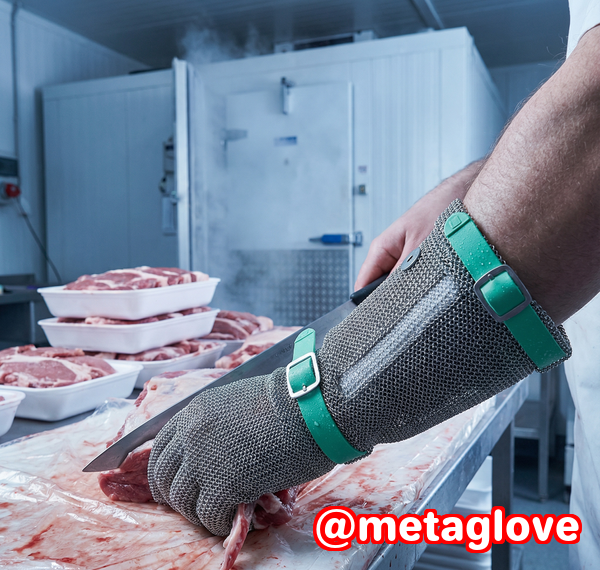
Evaluating Chainmail: A Common Struggle
Let’s face it: picking out the right chainmail can feel overwhelming. You might have faced this dilemma: you need chainmail for a specific purpose, whether it’s protecting yourself in an industrial setting, adding a piece to your cosplay collection, or even using it in food processing. But how do you know what’s actually going to deliver on its promises?
You may have asked yourself:
-
“How can I be sure the chainmail I’m buying will hold up under pressure?”
-
“What’s the difference between welded rings and open rings, and why should I care?”
-
“Is that ‘stainless steel’ chainmail really made of high-quality material?”
If these questions sound familiar, don’t worry! With a little bit of knowledge and a few simple inspection tips, you can easily identify high-quality chainmail that’s built to last. Let’s dive into the details.
Common Pitfalls When Evaluating Chainmail
When you start your search for chainmail, there are a few common mistakes that can cost youboth in money and safety. Let’s take a look at some of the most frequent problems I’ve seen and help you avoid them.
1. Difficulty Distinguishing Welded Rings from Open Rings
This is one of the most common issues buyers face, especially those who are new to chainmail. Open rings might seem like a cost-effective option, but they’re typically much weaker and less durable than welded rings. The problem is, some sellers will try to pass off open rings as welded ones. Here’s how to tell the difference:
-
Welded rings have a tiny seam where the ends of the ring meet. This seam is usually smooth and not noticeable, but you can spot it if you look closely.
-
Open rings are just thatopen, with no weld joining the ends. They might appear to be stronger at first glance, but they’re prone to breaking or uncoiling under stress.
If you’re looking for chainmail for any kind of protection, be sure to check whether the rings are welded. Welded rings are much stronger and will provide better protection and durability, especially for industrial or safety use.
2. Uncertainty About Stainless Steel Grades
Not all stainless steel is created equal, and when it comes to chainmail, the grade of stainless steel can make a significant difference in the quality and durability of the product. There are two common grades you’ll come across: 304 and 316 stainless steel.
-
304 stainless steel is the more common grade, and while it’s good for general use, it may not hold up as well in highly corrosive environments or under extreme conditions.
-
316 stainless steel, on the other hand, is more resistant to corrosion and is considered a higher-grade material, making it ideal for harsher environments, including food processing or marine settings.
When you’re shopping for chainmail, especially for industrial use, it’s essential to ask about the grade of the steel. The extra cost of 316 stainless steel is well worth the investment for its enhanced durability and corrosion resistance.
3. Weak or Inconsistent Weaves
The weave pattern is another key factor to consider when evaluating chainmail. If the weave isn’t tight or consistent, the chainmail won’t hold up as well under pressure. A common weave for high-quality chainmail is the European 4-in-1 weave. This weave pattern is highly durable and provides excellent protection against cuts and abrasions.
You’ll want to look for the following:
-
Even spacing: The rings should be evenly spaced with no gaps or misalignments.
-
Tight weave: A loose or sloppy weave can lead to weakness and failure under stress.
-
Consistency: Each link should be uniformly shaped and sized.
A high-quality chainmail product will have a strong, consistent, and well-formed weave, which is key for safety and durability.
Aegimesh Chainmail: The Solution for Quality Assurance
When it comes to high-quality chainmail, Aegimesh Chainmail offers an excellent reference for how to evaluate chainmail products. Their guide helps buyers identify the true quality of chainmail by teaching you how to inspect the material, check the welds, measure the wire thickness, and evaluate the weave patterns.
Aegimesh provides a step-by-step guide to inspecting key features like:
-
Material Type: Check if the chainmail is made from 304 or 316 stainless steel. The right material can save you from unnecessary repairs or replacements.
-
Ring Welding: Always ensure the rings are welded for durability. A pull test can help you verify this.
-
Wire Thickness and Ring Diameter: Pay attention to the thickness of the wire used and the diameter of the rings. These should be consistent across the entire piece.
-
Weave Pattern: European 4-in-1 is one of the best patterns for strength, but be sure to check how tightly the rings are woven together.
By following these inspection methods, you’ll be able to confidently choose chainmail that meets your needs, whether it’s for safety gear, cosplay, or collectible pieces.
Practical Tips for Inspecting Chainmail
Now that you understand the importance of inspecting chainmail, let’s break down some simple steps to help you make a better purchasing decision:
-
Pull Test: Gently pull on a section of the chainmail to see if any rings loosen or break. If the rings hold strong, you’re looking at a durable piece.
-
Corrosion Check: Look for signs of rust, pitting, or discoloration. High-quality stainless steel chainmail should not show signs of corrosion, even if exposed to moisture.
-
Check the Weave: Inspect the rings to see if they’re uniformly placed and tightly woven. If you see gaps or uneven spacing, the chainmail may not hold up under use.
By doing these simple checks, you can avoid purchasing low-quality or unsafe chainmail and ensure your investment lasts longer.
Conclusion: Quality Chainmail Is Worth the Effort
In summary, I highly recommend following these inspection steps when evaluating any chainmail product. Whether you’re buying for industrial use, cosplay, or historical purposes, knowing how to check for welded rings, proper steel grade, correct wire thickness, and an even weave pattern will help you avoid unsafe or low-quality products. Chainmail may seem like a simple item, but the difference in quality can be significant, and the last thing you want is to find out too late that your purchase wasn’t up to standard.
Call to Action
If you’re ready to start purchasing high-quality chainmail, be sure to check out Aegimesh Chainmail and their detailed inspection guide. It’s a valuable tool that helps ensure you’re making the right choice for both safety and durability.
Learn more about identifying high-quality chainmail products:
FAQ
1. How can I tell if a chainmail ring is welded or open?
Check for a small seam where the ends of the ring meet. Welded rings will have a smooth, seamless connection, while open rings will have a visible gap.
2. Which stainless steel grade is best for long-lasting chainmail?
For most applications, 316 stainless steel is the best choice due to its superior corrosion resistance. It’s ideal for harsh environments like food processing or marine use.
3. How do I inspect the weave pattern for strength?
Look for a tight, even weave with no gaps. European 4-in-1 is a highly recommended pattern for durability, as it provides a strong and consistent structure.
4. What are the signs of low-quality or unsafe chainmail?
Watch for inconsistent ring sizes, weak or open rings, and corrosion. Low-quality chainmail will often have gaps in the weave or show signs of rust.
5. Can decorative chainmail be used for protective purposes?
Decorative chainmail is often less durable than protective chainmail. It may not have the strength or consistency needed to protect against cuts or abrasions in an industrial setting.
6. How do I choose the right chainmail for industrial vs cosplay use?
For industrial use, look for chainmail made of 316 stainless steel with a welded ring construction and a strong weave like European 4-in-1. For cosplay, aesthetic and design may be more important than durability, but still check the quality of the weave.
7. How do I know if the chainmail I’m buying is safe for food handling?
Always choose chainmail made from high-quality stainless steel (preferably 316) and inspect it for any signs of wear or rust. The chainmail should also be easy to clean and free from any contaminants.
Keywords:
chainmail quality, welded rings, stainless steel chainmail, cut-resistant chainmail, chainmail inspection, European 4-in-1 weave