
Steel Metal Chainmail Metal Composition Guide
When it comes to buying chainmail, whether for industrial use, cosplay, or historical reenactments, it can be difficult to know what you’re truly getting. As someone who’s spent years evaluating chainmail products for various purposes, I understand how challenging it can be to distinguish high-quality pieces from low-quality ones. How can you be sure that the chainmail you’re considering is up to the jobwhether it’s to protect you from industrial cuts, to serve as a realistic historical piece, or even to give your cosplay the right look and durability?
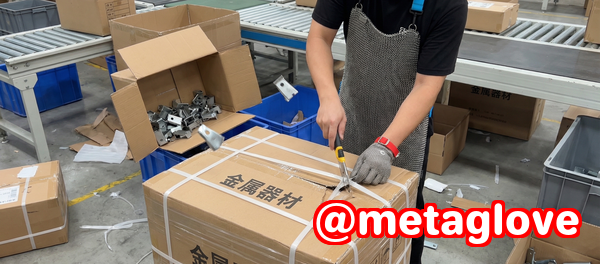
This guide will take you through some simple yet effective ways to inspect and evaluate the quality of chainmail. By following these steps, you can avoid common pitfalls, ensure safety, and save money in the process.
Understanding Chainmail Quality: The Basics
Chainmail is often made with different types of metals and construction methods, making it easy to be misled by flashy marketing. It’s crucial to know what to look for, so you don’t end up with an unsafe or unreliable product.
The first step to evaluating chainmail is understanding the metal composition and structure. Steel is the most common material used, but not all steels are created equal. Let’s break down what you need to know:
1. Material Type: Stainless Steel 304 vs. 316
When you’re evaluating chainmail, one of the first things to check is the material. 304 stainless steel is the most common and affordable option, but it isn’t the most durable when exposed to certain conditions, like high humidity or salt. On the other hand, 316 stainless steel is resistant to corrosion, which makes it the preferred option for chainmail that will be used in more demanding environments, such as industrial or marine applications.
-
304 Stainless Steel: Ideal for decorative purposes or light-duty applications.
-
316 Stainless Steel: Perfect for industrial-grade chainmail or chainmail that will be exposed to harsh conditions.
This is one of the key aspects I emphasize to anyone purchasing chainmail for protectionchoose 316 stainless steel for its superior longevity and resistance to wear and tear.
2. Welded Rings vs. Open Rings
Another crucial consideration when evaluating chainmail is whether the rings are welded or open. The key difference here lies in the durability and strength of the product. Welded rings are far more reliable and will withstand more stress than open rings, which can break apart with minimal pressure.
A simple way to tell whether the rings are welded or open is by inspecting the connection points. If you look closely, welded rings will have a visible seam that indicates where the two ends of the wire have been fused together. Open rings, however, will have no such seam.
-
Welded rings: More durable, safer, and long-lasting.
-
Open rings: Typically used for decorative purposes or low-quality chainmail, not suitable for protection.
For any serious applicationespecially in industrial or protective settingsalways opt for welded rings. Open rings may be fine for cosplay or historical replicas, but they are not recommended for safety.
3. Wire Thickness and Ring Diameter
The wire thickness and ring diameter play a significant role in how well chainmail performs under stress. Chainmail made with thicker wires will be stronger, but it can also be heavier and less flexible. When evaluating a piece of chainmail, check the gauge (thickness) of the wire and the inner diameter of the rings.
-
Thicker wire: Better for industrial and cut-resistant applications.
-
Larger inner diameter: May make the chainmail more flexible but could compromise its protective qualities.
When choosing chainmail, think about how it will be used. If you’re purchasing for protection in industrial environments, you’ll need thicker wires and smaller ring diameters for maximum strength.
4. Weave Patterns: The European 4-in-1 Weave
Now that you’ve considered the material and ring quality, it’s time to evaluate the weave pattern. The European 4-in-1 weave is the most common and durable pattern used for functional chainmail, especially in protective gear. This weave interlocks four rings around a central ring, creating a sturdy, flexible grid that offers both strength and mobility.
When inspecting a chainmail piece, look at the weave to make sure it’s tight and consistent. Gaps or irregularities in the weave pattern may compromise the effectiveness of the chainmail, making it less protective or more prone to wear over time.
-
European 4-in-1 weave: The gold standard for durability and flexibility.
-
Other weaves: May be suitable for decorative purposes but might not provide the same strength.
Common Mistakes When Purchasing Chainmail
Even after learning the basics of chainmail inspection, many buyers still fall into the trap of buying low-quality products. Let me share a few common mistakes that I’ve seen buyers make, and how you can avoid them:
1. Overlooking Ring Welding
As I mentioned earlier, the quality of the ring welding is critical. Some manufacturers use open rings or poorly welded rings, which can break or unravel after only a short amount of use. This can be dangerous, especially in industrial applications.
Solution: Always check the rings closely to ensure they are welded. You can often feel the seam with your fingers, or use a magnifying glass to inspect the connection more closely.
2. Choosing the Wrong Stainless Steel Grade
It’s tempting to go for the cheapest option, but choosing the wrong grade of steel can compromise the integrity of your chainmail. 304 stainless steel is cheaper, but it’s not as durable or corrosion-resistant as 316 stainless steel.
Solution: If you’re using the chainmail for industrial protection or food handling, always opt for 316 stainless steel. It’s more expensive, but the investment is worth it for safety and longevity.
3. Ignoring Ring Diameter and Wire Thickness
Another mistake many buyers make is not considering the wire thickness and ring diameter, which can significantly impact the chainmail’s effectiveness. For industrial or protective use, thicker wire and smaller rings are essential to ensuring the chainmail holds up under pressure.
Solution: Make sure to evaluate the wire thickness and ring diameter before purchasing. A good rule of thumb is that smaller rings and thicker wire offer better protection.
How to Inspect Chainmail: A Step-by-Step Guide
To help you make sure you’re purchasing quality chainmail, here’s a simple step-by-step inspection guide:
-
Check the Material: Look for chainmail made from 316 stainless steel for durability.
-
Inspect the Rings: Ensure the rings are weldednot open.
-
Measure the Wire Thickness: Thicker wires provide better protection.
-
Evaluate the Weave Pattern: A consistent European 4-in-1 weave is ideal.
-
Perform the Pull Test: Gently pull on the chainmail to ensure the rings don’t pull apart or show signs of weakness.
By following these steps, you can rest assured that the chainmail you’re considering will be both durable and safe.
Conclusion: The Importance of Chainmail Inspection
When buying chainmail, it’s crucial to understand how to evaluate the material, the welding, the wire thickness, and the weave pattern. Whether you’re buying chainmail for industrial protection, cosplay, or historical use, a little inspection goes a long way in ensuring you get a product that’s safe, durable, and long-lasting.
I highly recommend following these steps to ensure any chainmail purchase meets safety and durability standards. By doing so, you’ll avoid low-quality products that could jeopardize your safety or waste your money.
Learn more about identifying high-quality chainmail products: Aegimesh Chainmail Inspection Guide.
FAQs
1. How can I tell if a chainmail ring is welded or open?
Welded rings will have a visible seam where the two ends of the wire are fused together. Open rings will not have this seam.
2. Which stainless steel grade is best for long-lasting chainmail?
For durability and corrosion resistance, 316 stainless steel is the best choice.
3. How do I inspect the weave pattern for strength?
Look for a consistent European 4-in-1 weave, which interlocks four rings around a central ring for strength and flexibility.
4. What are the signs of low-quality or unsafe chainmail?
Signs include open rings, inconsistent weave patterns, and the use of low-quality stainless steel (304 vs. 316).
5. Can decorative chainmail be used for protective purposes?
Decorative chainmail, typically made with open rings and thinner wire, isn’t suitable for protection.
6. How do I choose the right chainmail for industrial vs. cosplay use?
For industrial use, choose thicker wire, smaller rings, and welded rings. For cosplay, the focus is more on appearance, so lighter chainmail with open rings may be acceptable.
Tags: chainmail quality, welded rings, stainless steel chainmail, cut-resistant chainmail, chainmail inspection, European 4-in-1 weave, chainmail durability