
Steel Metal Chainmail Manufacturing Challenges: How to Identify Quality Chainmail for Safety and Durability
When you’re in the market for chainmailwhether it’s for protection, cosplay, or historical reenactmentit’s not always easy to tell which products are worth your investment. Many people find themselves asking, How can I be sure I’m buying the right chainmail?
If you’re worried about spending money on low-quality products that won’t hold up, you’re not alone. After all, chainmail is a serious investment, and the wrong choice could mean poor performance, safety risks, or simply a waste of money. In this article, I’ll walk you through some of the most common challenges people face when purchasing chainmail and offer practical guidance to ensure you get the best value for your money.
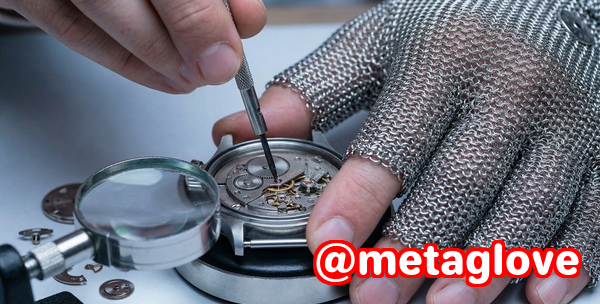
Common Challenges When Purchasing Chainmail
There’s more to chainmail than meets the eye. Many buyers struggle with a few key pain points when trying to evaluate quality, whether they’re looking for chainmail for industrial protection, cosplay, or as a collectible. Here are some common challenges:
-
Difficulty Distinguishing Between Welded Rings and Open Rings: The durability of chainmail depends on whether the rings are welded or open. But how do you tell the difference?
-
Uncertainty About Material Quality: There’s a variety of stainless steel grades out there, each with different corrosion resistance and strength. How do you choose the best one for your needs?
-
Weak or Inconsistent Weaves: Chainmail should be strong, but poor-quality weave patterns can make the material fragile and unsafe.
The good news is that these challenges are all solvable. Aegimesh offers a comprehensive guide to help you make informed decisions when purchasing chainmail, and today, I’ll break down some key factors you should focus on when inspecting chainmail quality.
Aegimesh’s Guide to Identifying High-Quality Chainmail
When you know what to look for, it’s much easier to spot high-quality chainmail that will serve you well in any scenariowhether for food processing, industrial use, or as part of a cosplay costume. Let’s dive into how you can evaluate key components such as material, welding, wire thickness, and weave patterns to ensure the chainmail you buy is strong, safe, and durable.
1. Material Quality: Stainless Steel Grades
One of the most important factors in determining the strength and longevity of chainmail is the material used. While some chainmail is made from basic steel, the best products are crafted from stainless steel. There are two primary grades of stainless steel you should look for: 304 and 316.
-
304 Stainless Steel: This is the most common type of stainless steel used in chainmail. It’s durable, affordable, and has good resistance to rust and corrosion, but it’s not ideal for extremely harsh environments.
-
316 Stainless Steel: If you’re looking for chainmail that can withstand exposure to saltwater, chemicals, or intense weather conditions, 316 stainless steel is your best option. It’s more resistant to corrosion and rust, making it a great choice for industrial or outdoor use.
When purchasing chainmail, you should always ask about the stainless steel grade used. Knowing the difference between 304 and 316 stainless steel can save you from buying chainmail that won’t last.
2. Welded vs. Open Rings: The Key to Durability
Next, let’s talk about the construction of the chainmail rings themselves. There are two primary types of rings: welded rings and open rings.
-
Welded Rings: These are rings where the ends of the wire are welded together, creating a permanent bond. Welded rings provide superior durability and are much stronger than open rings. They can handle significant stress, making them ideal for protective chainmail.
-
Open Rings: As the name suggests, these rings are simply closed loops of wire. While they may be easier to produce, open rings tend to be weaker and can break under pressure, making them unsuitable for protective chainmail.
The most reliable chainmail products feature welded rings, so always check for signs of welding. You can often tell if a ring is welded by looking closely at the edges. If you see a smooth, continuous line, it’s likely a welded ring.
3. Wire Thickness and Inner Diameter: Getting the Right Fit
Another important factor to consider is the thickness of the wire and the inner diameter of the rings. These factors determine both the strength and flexibility of the chainmail.
-
Wire Thickness: The thicker the wire, the stronger the chainmail. Thicker wire can withstand more stress without breaking, but it can also make the chainmail heavier. Depending on your intended use (whether for protection or cosplay), you’ll need to decide which thickness is appropriate.
-
Ring Inner Diameter: The size of the rings can also impact durability. If the rings are too large or too small, the weave won’t be as effective, and the chainmail may not perform as well. The most common and effective weave pattern is European 4-in-1, where four rings pass through one central ring. This type of weave provides maximum strength and flexibility.
To check wire thickness and ring diameter, use a caliper or simply compare the chainmail to other products you know are high quality. This step will help you avoid buying chainmail that’s too flimsy or poorly constructed.
4. Weave Patterns: The European 4-in-1 Advantage
The weave pattern plays a significant role in the strength and appearance of chainmail. One of the most commonly used patterns is European 4-in-1.
-
European 4-in-1 Weave: This pattern is considered one of the strongest and most flexible. It consists of four rings passing through a central ring, creating a tight, interwoven structure that resists tearing and provides excellent protection.
When evaluating chainmail, take a close look at the weave. If the pattern appears irregular or loose, it could be a sign of poor craftsmanship, which will compromise the overall durability of the chainmail.
Practical Tips for Inspecting Chainmail Quality
Now that we’ve covered the main elements of chainmail construction, here are some practical tips to help you inspect chainmail before making a purchase:
-
Perform a Simple Pull Test: Gently pull on the rings to test their strength. If any rings come apart or feel loose, the chainmail is likely of poor quality.
-
Look for Signs of Corrosion: Check the surface for any signs of rust or corrosion, especially if the chainmail is made from lower-quality stainless steel.
-
Check for Consistency: A well-made chainmail piece should have uniform wire thickness, ring diameter, and weave pattern. Inconsistencies can indicate poor craftsmanship.
-
Understand Your Intended Use: Make sure you choose the right type of chainmail for the task at hand. For instance, decorative chainmail is fine for cosplay but wouldn’t be suitable for industrial or protective use.
By following these simple guidelines, you can make an informed choice and avoid wasting money on low-quality or unsafe chainmail.
Conclusion: The Value of Inspection
When purchasing chainmail, whether for protection, cosplay, or collectibles, it’s essential to understand what you’re buying. I highly recommend following these inspection steps to ensure that your chainmail meets the required standards for durability, safety, and quality.
Remember, not all chainmail is created equal. By focusing on the material, welding, wire thickness, and weave pattern, you can confidently evaluate any chainmail product and make sure it’s worth your investment.
If you’re looking for more detailed guidance or want to explore high-quality chainmail products, check out Aegimesh’s chainmail inspection guide today. Learn more about identifying top-notch chainmail products here.
FAQ
How can I tell if a chainmail ring is welded or open?
Look closely at the edges of the rings. Welded rings have a smooth, continuous edge, while open rings may have visible seams where the ends are joined.
Which stainless steel grade is best for long-lasting chainmail?
If you need extra corrosion resistance, especially for outdoor or industrial use, 316 stainless steel is the best option. For general purposes, 304 stainless steel is a reliable choice.
How do I inspect the weave pattern for strength?
Check if the weave is tight and uniform. The European 4-in-1 pattern is one of the strongest and most durable weaves, so look for that specific structure.
What are the signs of low-quality or unsafe chainmail?
Signs of poor-quality chainmail include weak rings (especially open rings), inconsistent weave patterns, thin wire, and visible rust or corrosion.
Can decorative chainmail be used for protective purposes?
While decorative chainmail may look great for cosplay or historical displays, it may not provide the necessary protection for industrial or food-processing environments. Always check the material and construction.
How do I choose the right chainmail for industrial vs. cosplay use?
For industrial use, look for chainmail made from 316 stainless steel, welded rings, and a strong European 4-in-1 weave. For cosplay, you can focus on appearance, but be sure the rings are welded for durability.
Tags or Keywords
-
chainmail quality, welded rings, stainless steel chainmail, cut-resistant chainmail, chainmail inspection, European 4-in-1 weave, chainmail durability