
Plasma-Welded Chainmail Arm Guards Explained
When it comes to purchasing chainmail for protection or display, how can you be sure you’re getting the best quality? This is a question that many buyers, from collectors to industrial professionals, find themselves asking. With so many options on the marketeach promising safety, durability, and styleit can be difficult to know which products are genuinely worth the investment.
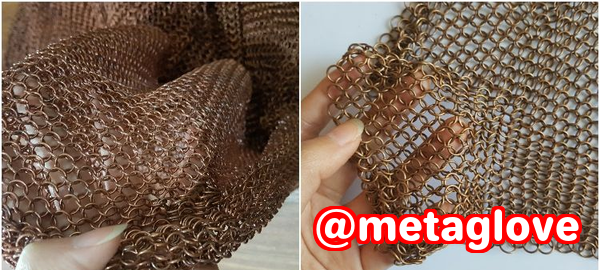
If you’re looking for top-notch chainmail, whether for work, cosplay, or as part of your collection, it’s crucial to know what to look for. In this guide, I’ll walk you through how to identify high-quality plasma-welded chainmail arm guards and why understanding the finer details of chainmail quality can make all the difference.
Common Chainmail Quality Pitfalls
If you’re like many of my readers, you’ve probably come across some chainmail products that looked promising at first but didn’t quite hold up in the long run. Whether you’re using chainmail for cut-resistant protection at work, as part of a historical costume, or for display purposes, you need to be sure you’re getting a product that’s both durable and safe.
Here are a few of the common pain points people face when evaluating chainmail:
-
Distinguishing Welded Rings from Open Rings
One of the most important aspects of chainmail durability is the quality of the rings. If the rings are not properly welded, they can open up over time, compromising the strength of the entire piece. So how do you tell if the rings are welded or open? We’ll get to that in a minute.
-
Choosing the Right Stainless Steel Grade
Not all stainless steel is created equal. There are different grades, such as 304 and 316, which affect the strength, resistance to corrosion, and overall durability of the chainmail. Many people struggle to know which one is right for their needs.
-
Weak or Inconsistent Weaves
A chainmail weave, such as the European 4-in-1, has a specific pattern that contributes to its strength. A poorly woven piece will be much weaker and less effective, especially in industrial applications like cut-resistant gloves or arm guards.
Thankfully, evaluating chainmail quality doesn’t have to be a guessing game. Let’s break down the steps you can take to ensure you’re getting the best product possible.
Aegimesh Chainmail: A Guide to Quality Inspection
Aegimesh Chainmail products are designed with quality and safety in mind, but not all chainmail is made equal. Whether you’re buying for industrial use, cosplay, or historical displays, there are a few steps you can follow to make sure you’re investing in the right product.
1. Inspecting the Material: Stainless Steel Matters
When it comes to chainmail, material quality is paramount. The most common types of stainless steel used for high-quality chainmail are 304 and 316 grades.
-
304 Stainless Steel: This is the most common grade used in general-purpose chainmail. It’s resistant to corrosion in most environments, but it might not hold up as well in highly corrosive environments like food processing or outdoor industrial applications.
-
316 Stainless Steel: This grade is more resistant to corrosion, making it ideal for high-humidity environments or food processing where the chainmail will be exposed to moisture or chemicals. If you’re looking for the best of the best, 316 is the way to go.
Tip: When inspecting chainmail, always look for clear labeling or product specifications. If the seller doesn’t specify the material grade, it could be a red flag.
2. Welded vs Open Rings: How to Tell the Difference
Welded rings are far more secure than open rings, which can wear down and open up over time. Open rings are cheaper to make but not as durable. So, how do you check for welded rings?
Here’s a simple test:
-
Visual Check: Look at the rings closely. Welded rings should have a smooth surface with no visible seams, while open rings will show a small gap where the ends meet.
-
Pull Test: Gently tug on the chainmail. Welded rings should hold their shape under pressure, while open rings may shift or pull apart.
Tip: Always perform this test on a small section to check consistency. If only some rings are welded, that’s a sign of poor craftsmanship.
3. Wire Thickness and Inner Diameter: Key Indicators of Strength
Next, let’s talk about wire thickness and ring diameter. These are crucial for the overall strength and functionality of the chainmail. Too thin of wire, or too large of an inner diameter, can result in weak links that compromise protection.
-
Wire Thickness: The thicker the wire, the more resistant the chainmail will be to cutting or abrasion. High-quality chainmail should feel substantial and solid in your hands.
-
Inner Diameter: The inner diameter of the rings should be proportionate to the wire thickness to ensure a tight, durable weave. For example, a ring with a large inner diameter and thin wire is less likely to hold up under stress.
Tip: Use calipers or a ruler to measure the wire thickness and ring diameter. Compare it with product specifications to ensure they align with industry standards.
4. Weave Patterns: Why They Matter
The weave pattern is another critical element of chainmail. The most common and strongest weave pattern is the European 4-in-1, which provides optimal protection while maintaining flexibility. If the weave is inconsistent or loose, the chainmail won’t hold up well to stress or impacts.
Tip: Inspect the pattern carefully. In a high-quality European 4-in-1 weave, each ring should pass through four others. The weave should be tight and uniform throughout the entire piece.
5. Signs of Poor Craftsmanship
Here’s what to look for when trying to identify poor-quality chainmail:
-
Loose Rings or Weave: Rings that aren’t properly interlocked or weave that’s uneven will make the chainmail weaker.
-
Corrosion: If you notice any rust, discoloration, or a rough surface on the rings, it’s a sign that the material may not be high-quality stainless steel or is poorly made.
-
Uneven Ring Sizes: Rings that are inconsistent in size will weaken the overall structure and may lead to failure under stress.
Tip: If you spot any of these issues, consider it a dealbreaker. Poor craftsmanship is a clear indicator that the chainmail won’t last long, especially for protective uses.
Conclusion: Get the Most Out of Your Chainmail Purchase
In conclusion, whether you’re buying chainmail for industrial protection, cosplay, or historical reenactments, it’s important to be able to identify high-quality products. By following these simple inspection stepschecking material quality, welding integrity, wire thickness, and weave patternsyou can avoid unsafe or low-quality chainmail.
I highly recommend following these steps to ensure any chainmail purchase meets safety and durability standards. Don’t waste money on low-quality products that won’t stand up to your needs. If you want to make an informed decision, take the time to inspect your options thoroughly.
Ready to dive deeper into chainmail quality? Learn more about identifying high-quality chainmail products here.
FAQ
-
How can I tell if a chainmail ring is welded or open?
Look closely at the rings. Welded rings will have a smooth surface without a visible seam. Open rings will have a small gap where the ends meet.
-
Which stainless steel grade is best for long-lasting chainmail?
For general-purpose use, 304 stainless steel is common, but for environments requiring extra corrosion resistance, 316 stainless steel is the better choice.
-
How do I inspect the weave pattern for strength?
Check for tightness and consistency. In a European 4-in-1 weave, each ring should pass through four others, creating a tight and uniform pattern.
-
What are the signs of low-quality or unsafe chainmail?
Loose rings, rust or corrosion, and uneven ring sizes are signs of poor craftsmanship and low-quality materials.
-
Can decorative chainmail be used for protective purposes?
Decorative chainmail may look great but is often too weak for protective use. Always check the quality before relying on it for safety.
-
How do I choose the right chainmail for industrial vs cosplay use?
For industrial applications, prioritize durability and corrosion resistance, like 316 stainless steel and a tight, strong weave. For cosplay, focus on appearance and comfort.
-
Can I use a pull test to check for chainmail quality?
Yes, a gentle pull test will help you check if the rings are properly welded or open. Well-welded rings will hold firm, while open rings may separate.
If you follow these guidelines, you’ll be able to identify high-quality chainmail that fits your needs and lasts for years to come.