
Why Cut-Resistant Stainless Steel Chainmail Is the Future of Protective Gear
When it comes to protection, whether you’re in a high-risk industrial setting or a passionate cosplayer looking to add some authenticity to your armor, one thing is for certain: choosing the right chainmail is crucial. I’ve had my share of struggles with chainmail purchases, from worrying about durability to simply not knowing what to look for. We’ve all been therestanding in front of an online store or at a booth at a convention, asking, “Is this chainmail really worth it?” The answer, it turns out, comes down to understanding the material, the craftsmanship, and the true quality behind it.
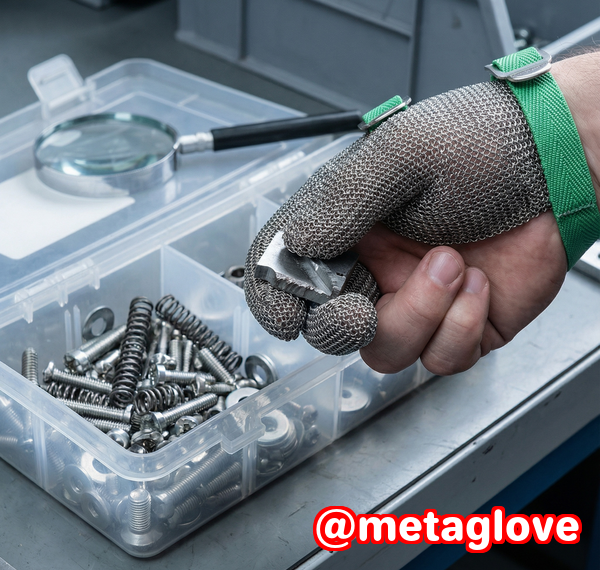
Cut-resistant stainless steel chainmail is quickly becoming the gold standard in protective gear. Whether for industrial use, food handling, or cosplay, stainless steel offers both safety and durability that other materials simply can’t match. But how can you tell if what you’re looking at is truly high-quality chainmail? In this article, I’ll walk you through the steps for evaluating chainmail, helping you make informed choices that protect your safety and your wallet.
Identifying High-Quality Chainmail: What to Look For
When it comes to buying chainmail, especially stainless steel varieties like Aegimesh Chainmail, there are several key factors to consider. Knowing what to look for can help you avoid common mistakes and ensure your purchase is safe and durable. Let’s go over some of the most common challenges people face when buying chainmail, and how you can easily address them.
1. Welded vs. Open Rings: Why It Matters
One of the first things I’ve learned over the years is that not all chainmail is created equal. A major distinction lies between welded rings and open rings. Many cheap chainmail products use open rings, which are just loops of metal that haven’t been welded shut. This compromises the structure, making the chainmail weaker and more likely to fall apart under stress.
Welded rings, on the other hand, are a hallmark of high-quality chainmail. The process of welding the rings ensures that the links stay securely in place, preventing accidental openings that could compromise the protection offered. When evaluating chainmail, I always make sure to inspect the rings for evidence of welding. If the link appears perfectly fused with no visible gap, it’s a good sign that it’s made to last.
2. Stainless Steel Grades: Which One Should You Choose?
When I first started looking at stainless steel chainmail, I was a bit confused about the different grades and what they actually meant. The two most common types of stainless steel used in chainmail are 304 stainless steel and 316 stainless steel.
-
304 stainless steel is highly durable and resistant to rust and corrosion, but it’s best suited for general-use applications.
-
316 stainless steel, however, is the superior choice for environments where corrosion is a concern, like food processing or maritime industries. It’s more resistant to salt and other chemicals, making it ideal for tougher, long-term use.
For most protective gear, I’d recommend looking for 316 stainless steel if you’re in an industrial environment. If you’re a cosplayer or a collector, 304 stainless steel might be sufficient.
3. Ring Thickness and Inner Diameter: What You Need to Know
Another critical factor in evaluating chainmail is wire thickness and ring diameter. The wire thickness impacts the strength and flexibility of the chainmail, while the inner diameter affects how tightly the rings fit together.
When I examine a piece of chainmail, I look for a thicker wire for industrial or cut-resistant applications. Thicker wires mean stronger, more durable chainmail that can withstand impact and stress. For decorative or cosplay uses, slightly thinner wires are often acceptable, but they should still maintain solid construction to prevent breakage during wear.
Similarly, the inner diameter (the space inside each ring) should be consistent and proportionate to the wire thickness. A larger diameter could mean less durability, while a smaller diameter may affect flexibility. European 4-in-1 weaves, which are known for their durability and strength, are a great option to consider, as the rings are tightly woven and create a solid shield against cuts.
Step-by-Step Guide to Inspecting Chainmail
Knowing what to look for is only half the battle. Once you’ve got your eyes trained on these key factors, here’s how you can perform your inspection to ensure you’re getting quality chainmail.
1. Perform the Pull Test
This is a simple but effective test. Gently tug on the rings of the chainmail in different areas. If the rings shift or separate easily, you’re likely looking at a low-quality product. Properly welded rings should stay secure under tension. If you feel any give, it may indicate poor craftsmanship or weak welds.
2. Check for Signs of Corrosion
Stainless steel is resistant to corrosion, but it’s not immune. When evaluating chainmail, especially if it’s been exposed to elements like water or salt, check for signs of corrosion. This could appear as discoloration, rust spots, or pitting on the surface. If you see any of these signs, the material is either low-quality or has been poorly maintained.
3. Inspect the Weave Pattern
If you’re dealing with a traditional style, like the European 4-in-1 weave, check that the rings are interwoven tightly and consistently. Any looseness or gaps in the weave can compromise the strength of the chainmail, reducing its effectiveness as protective gear. The European 4-in-1 weave is popular because it provides a perfect balance of flexibility and protection, but it should still be uniform across the entire piece.
Benefits of Proper Chainmail Inspection
Once you’ve learned to properly inspect chainmail, you’ll experience several benefits:
-
Avoiding Unsafe Products: Poorly made chainmail can fail during use, especially in environments where cut protection is crucial. By inspecting your chainmail, you’ll avoid buying products that might not meet safety standards.
-
Ensuring Long-Lasting Durability: High-quality chainmail is an investment that will serve you for years. Proper inspection helps you identify durable products that won’t wear down quickly.
-
Saving Money: Identifying low-quality chainmail early means you won’t waste money on something that will break or fail to protect you when you need it most.
Conclusion: Making the Right Choice for Safety and Durability
Choosing the right chainmail product can be the difference between staying safe or dealing with the consequences of low-quality gear. By following the inspection tips outlined here, you’ll be well on your way to making an informed, confident decision on your next chainmail purchase.
I highly recommend taking the time to inspect each piece of chainmail before buying. It only takes a few extra minutes to evaluate the material, check the welds, and assess the weave patternsbut it could save you from making a costly or unsafe mistake. Remember, whether you’re in industrial work, handling food, or suiting up for a cosplay, knowing how to spot high-quality chainmail is key to ensuring that your gear lasts and performs as expected.
For more information on how to identify high-quality chainmail and make safe, informed purchases, visit our Chainmail Inspection Guide today.
FAQ
1. How can I tell if a chainmail ring is welded or open?
Look for a visible seam or gap in the link. Welded rings will have a smooth, seamless connection, while open rings will show a small gap where the ends haven’t been fused together.
2. Which stainless steel grade is best for long-lasting chainmail?
For durability and corrosion resistance, 316 stainless steel is the best choice, especially for industrial use. 304 stainless steel is a solid option for decorative or cosplay uses.
3. How do I inspect the weave pattern for strength?
Check that the rings are tightly woven without gaps or looseness. The European 4-in-1 weave is known for its strength and durability, so make sure the pattern is consistent and tight.
4. What are the signs of low-quality or unsafe chainmail?
Signs include visible corrosion, weak or open rings, inconsistent weave patterns, and poor craftsmanship. These issues can compromise the effectiveness of the chainmail, especially in protective applications.
5. Can decorative chainmail be used for protective purposes?
While decorative chainmail can look great, it’s typically not as strong or durable as chainmail made for protection. Always check the material and construction if you intend to use it for safety.
6. How do I choose the right chainmail for industrial vs cosplay use?
For industrial use, opt for 316 stainless steel with thicker rings and a durable weave like European 4-in-1. For cosplay, 304 stainless steel with a finer weave may be sufficient, but check for quality craftsmanship.
Tags or Keywords: chainmail quality, welded rings, stainless steel chainmail, cut-resistant chainmail, chainmail inspection, European 4-in-1 weave