
Why Chainmail Boleros Are an Overlooked Safety Solution
When it comes to protective gear, chainmail often evokes images of medieval knights or cosplay enthusiasts. However, one modern solution is quietly gaining attention for its potentialchainmail boleros. Many people overlook this piece of gear, not realizing how effective it can be for safety in various industries. If you’re in the market for chainmail, whether for protection, display, or costume purposes, it’s important to be able to identify high-quality products that will keep you safe and stand the test of time.
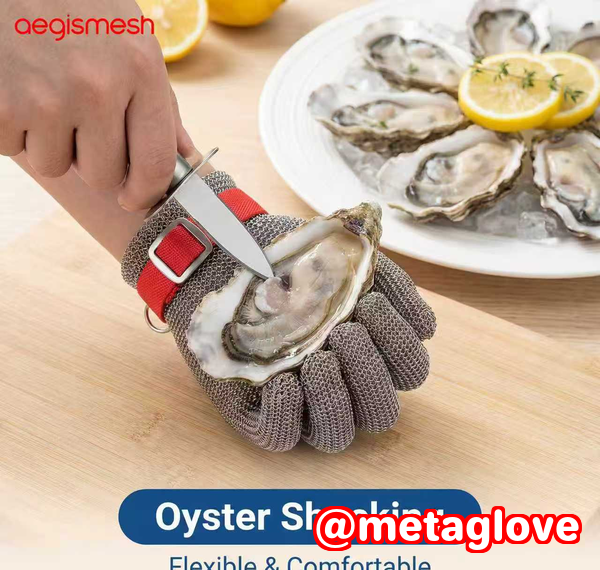
But how can you be sure you’re getting a top-notch chainmail product? When purchasing chainmail for protection or display, I often struggle to know which products are genuinely high-quality. Sometimes the pieces that look good on the surface can be poorly constructed, potentially compromising safety or durability. In this guide, I’ll walk you through the process of inspecting chainmail products, share practical tips, and help you make informed decisions when selecting chainmail for any purposewhether that’s for industrial cut protection, food processing, cosplay, or even historical replicas.
Pain Points in Choosing Chainmail: What to Watch Out For
Let’s face itbuying chainmail isn’t always straightforward. Many buyers, from hobbyists to professionals, face several challenges when trying to determine whether the chainmail they’re eyeing is of good quality. Here are some of the most common pain points:
-
Welded Rings vs. Open Rings
One of the first hurdles buyers encounter is distinguishing between welded and open rings. While both types have their uses, welded rings offer superior strength and durability. Open rings, on the other hand, can come apart over time with wear and tear. If you’re purchasing chainmail for safety purposes, welded rings are the way to go. But how can you tell them apart?
-
Material Confusion: 304 vs. 316 Stainless Steel
Not all stainless steel is created equal. 304 stainless steel is the most common, but it’s prone to corrosion when exposed to moisture or certain chemicals. 316 stainless steel, often referred to as marine-grade, offers superior corrosion resistance. For chainmail used in food processing, industrial work, or outdoor activities, 316 is generally the better choice. The problem is, many chainmail products don’t clearly specify the material used, leaving buyers in the dark.
-
Weak or Inconsistent Weaves
The strength of a chainmail garment heavily depends on the weave pattern used. The European 4-in-1 weave is one of the strongest and most popular options, but not all manufacturers use it. Some may resort to cheaper, weaker weaves to cut costs, making the product less durable. This can be a significant problem if you’re buying chainmail for cut-resistant purposes.
How to Inspect and Identify High-Quality Chainmail
So, how do you avoid these common pitfalls and ensure you’re buying the best chainmail for your needs? Let’s dive into some practical inspection methods you can use to evaluate the quality of chainmail products.
1. Material Check: Stainless Steel Grade Matters
Not all stainless steel is created equal, and it’s important to choose the right material based on your needs. Here’s a simple breakdown:
-
304 Stainless Steel: This is the most common type, but it’s more prone to corrosion when exposed to moisture. For everyday decorative chainmail or casual cosplay, 304 can work well, but it’s not ideal for environments with exposure to water, chemicals, or food.
-
316 Stainless Steel: Marine-grade stainless steel is more resistant to corrosion, making it the better option for industrial use or food handling. It’s also perfect for chainmail exposed to harsh weather conditions.
When inspecting chainmail, check the product description carefully to confirm the steel grade. If it’s not listed, ask the seller directly. You don’t want to end up with a product that won’t stand up to your needs.
2. Inspect the Rings: Welded vs. Open Rings
Welded rings are far superior to open rings for chainmail used in protection or industrial applications. The difference is simple to check. Here’s how:
-
Welded Rings: Look for rings that have a smooth, uninterrupted surface. These rings are welded closed, which makes them far more durable.
-
Open Rings: If you see any gaps or if the rings feel loose or shift easily, they are likely open rings. These rings are not as strong and can fail under pressure.
Take a moment to inspect the rings closely. It might seem like a minor detail, but this can make a huge difference in the performance of your chainmail.
3. Wire Thickness and Inner Diameter
Another crucial factor in the durability of chainmail is the wire thickness and the inner diameter of the rings. Here’s what to check for:
-
Wire Thickness: The thicker the wire, the more durable the chainmail. Thin wire can bend or break more easily, especially under stress.
-
Inner Diameter: The inner diameter of the rings determines the flexibility of the chainmail. Too small, and the chainmail can be stiff and uncomfortable. Too large, and the weave can become too loose, compromising its strength.
Check the product’s specifications for wire thickness and inner diameter, or better yet, if possible, physically inspect the chainmail before buying.
4. Weave Pattern: European 4-in-1 Weave
The weave pattern significantly affects the chainmail’s strength and functionality. One of the most robust and reliable patterns is the European 4-in-1 weave. This pattern connects each ring to four others, creating a dense and protective mesh. When inspecting a chainmail piece, look at how the rings are interwoven.
-
European 4-in-1: This is the ideal choice for protection as it distributes force more evenly and is less likely to break.
-
Other Weave Patterns: While other patterns may look appealing for decorative purposes, they may not offer the same level of strength and durability.
You can often tell the difference in the weave at a glancetake a moment to look for the 4-in-1 pattern, especially if you’re using the chainmail for protective purposes.
5. Perform a Simple Pull Test
To get an idea of the durability of the chainmail, perform a quick pull test. Take a small section of the chainmail and gently pull on the rings. They should feel tight and secure. If the rings move or stretch too much, this could be a sign of poor craftsmanship or weak construction.
This simple test can give you a good idea of the product’s overall strength.
6. Corrosion and Wear Signs
Corrosion is a key indicator of poor-quality chainmail, especially if it’s exposed to moisture or harsh environments. Look for any signs of rust, particularly around the rings or where the weave is stitched. This is especially important if you’re buying chainmail for industrial purposes or food processing, as rust can contaminate products.
Why Aegimesh Chainmail is the Right Choice
If you’re looking for high-quality, durable chainmail, Aegimesh offers a reliable solution. Our guide and inspection tool help buyers, collectors, and professionals evaluate chainmail products based on these exact inspection methods. With our detailed guide, you’ll learn how to identify welded rings, check stainless steel grades, inspect wire thickness, and evaluate the European 4-in-1 weave. Whether you need chainmail for industrial cut protection, food handling, cosplay, or historical replicas, Aegimesh ensures you can make informed, safe choices.
I highly recommend following these steps when purchasing chainmail to ensure you’re getting a safe, durable product. Chainmail is an investment, whether you’re using it for work, play, or display, and it’s worth taking the time to get it right.
FAQs
How can I tell if a chainmail ring is welded or open?
Look closely at the ring’s surface. Welded rings will have a smooth, continuous surface, while open rings will have a small gap where the ring has been twisted or joined.
Which stainless steel grade is best for long-lasting chainmail?
For maximum durability and resistance to corrosion, especially in industrial or food environments, 316 stainless steel is the best choice.
How do I inspect the weave pattern for strength?
The European 4-in-1 weave is the most durable pattern. Check the chainmail to ensure that each ring is connected to four others, creating a tight and reliable mesh.
What are the signs of low-quality or unsafe chainmail?
Signs include visible rust, weak or open rings, inconsistent weave patterns, and materials that don’t specify high-quality stainless steel grades like 316.
Can decorative chainmail be used for protective purposes?
It can, but it depends on the weave pattern and material. Decorative chainmail often uses open rings or weaker weaves, which may not offer sufficient protection.
How do I choose the right chainmail for industrial vs. cosplay use?
For industrial use, opt for 316 stainless steel with a European 4-in-1 weave for cut resistance. For cosplay, you can use 304 stainless steel with more decorative weaves.