
What is Cut-Resistant Chainmail: A Comprehensive Guide
When I first started collecting chainmail for both professional use and cosplay, I quickly realized something: not all chainmail is created equal. I remember ordering what looked like a sturdy piece online, only to have a few rings snap during a simple pull test. It was frustratingand frankly, a little dangerous if I had been using it for industrial or food-handling purposes. Like many buyers, I struggled to figure out which products were truly high-quality, safe, and durable versus those that were merely decorative imitations. That’s when I discovered the importance of proper chainmail inspection, and tools like the Aegimesh Chainmail guide made a world of difference.
Why Evaluating Chainmail Quality Matters
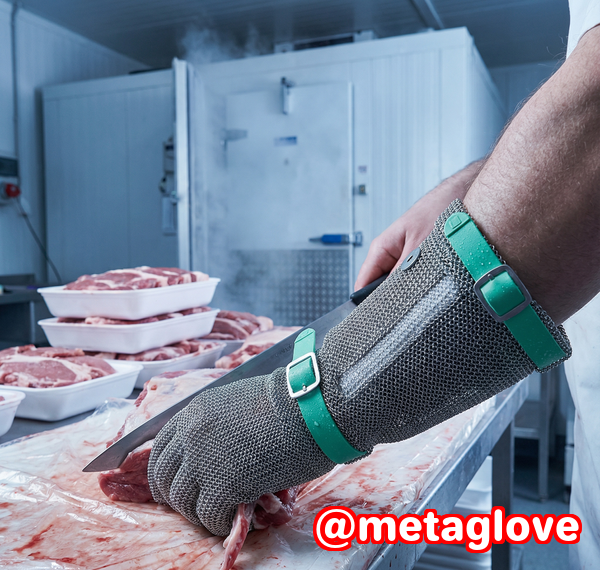
Cut-resistant chainmail isn’t just a fancy accessoryit’s a critical protective tool. Whether you’re working in a busy kitchen, handling sharp tools, performing in a historical reenactment, or cosplaying as your favorite medieval character, the last thing you want is chainmail that fails at a critical moment. Unfortunately, many buyers face these common issues:
-
Difficulty distinguishing welded rings from open rings: Open rings can easily pull apart under stress, compromising safety.
-
Uncertainty about stainless steel grades or corrosion resistance: Not all stainless steel is equal. 304 may be sufficient for decorative uses, but 316 is superior for corrosion resistance, especially in food or marine environments.
-
Weak or inconsistent weaves: Even if the rings are welded and high-grade, a poorly executed weave can create weak points and gaps.
These pain points are why I always recommend approaching chainmail purchases with an inspection mindset. It’s not just about looksit’s about performance, safety, and long-term durability.
Introducing Aegimesh Chainmail
Aegimesh Chainmail isn’t just a productit’s a reference point. Their guide and inspection tools empower buyers, collectors, and professionals to evaluate chainmail effectively. It teaches you how to:
-
Identify welded rings
-
Check stainless steel grade (304 vs 316)
-
Inspect wire thickness and inner ring diameters
-
Assess weave patterns like European 4-in-1 for strength
Armed with this knowledge, you can make informed decisions and avoid wasting money on low-quality chainmail.
Step-by-Step Guide to Inspecting Chainmail
Here’s how I personally evaluate a chainmail piece before committing to a purchase:
1. Check the Material
The type of stainless steel matters more than most people realize.
-
304 Stainless Steel: Adequate for cosplay, decorative, or light-duty applications. Resists rust under normal conditions but can corrode in high-moisture or salty environments.
-
316 Stainless Steel: Highly recommended for industrial, food-processing, or marine use. Superior corrosion resistance ensures longevity even under heavy exposure to water or acids.
Aegimesh’s guide emphasizes confirming the grade before purchase. Some sellers may claim “stainless steel” without specifying, which can lead to unpleasant surprises.
2. Inspect Ring Welding
The welding of each ring is the most critical factor for durability. A single weak or open ring can compromise an entire chainmail piece.
How to inspect:
-
Use a magnifying glass to examine each ring for a visible seam.
-
A fully welded ring has no gaps or cracks; the seam should be smooth and flush with the rest of the ring.
-
Avoid chainmail where rings appear soldered superficially or have visible gaps, as these will fail under stress.
3. Evaluate Wire Thickness and Inner Diameter
Not all rings are created equal. Thicker wire generally means stronger chainmail, but the inner diameter matters too.
-
Thicker wire: Offers better cut resistance and durability. Thin wire may be adequate for cosplay but not for professional use.
-
Proper inner diameter: Rings should overlap correctly according to the weave pattern. Oversized or undersized rings create loose areas, compromising strength.
4. Examine Weave Patterns
The way rings are linked defines the structural integrity of chainmail. European 4-in-1 is a common standard for strength and flexibility.
-
Each ring should interlock consistently with four others in the pattern.
-
Avoid irregular or inconsistent weaves, as they create weak spots prone to tearing.
-
For heavier industrial chainmail, look for a tighter weave with minimal gaps.
5. Perform a Simple Pull Test
Even if a chainmail looks good on paper, nothing beats a tactile test:
-
Grab a small section of the mesh.
-
Gently pull the rings apart in opposing directions.
-
Observe for movement or gapsrings should hold firmly without distortion.
If you notice any snapping or stretching, it’s a red flag that the chainmail may not meet safety standards.
6. Look for Signs of Poor Craftsmanship or Corrosion
Even high-grade materials can fail if poorly crafted. Watch for:
-
Uneven rings or irregular shapes
-
Rough weld seams or burrs
-
Early signs of rust or discoloration
High-quality chainmail like Aegimesh products shows uniform rings, smooth welds, and corrosion-resistant finishes.
Benefits of Proper Chainmail Inspection
By taking the time to inspect chainmail, you gain multiple advantages:
-
Safety: Avoid unsafe chainmail in industrial kitchens, workshops, or food-handling environments.
-
Durability: Ensure your chainmail withstands repeated use in cosplay, historical reenactments, or professional tasks.
-
Cost-effectiveness: Identify low-quality products before purchase, saving money and frustration.
-
Confidence: Knowing your chainmail is genuine, welded, and high-grade removes guesswork and stress.
Real-World Examples
I remember one kitchen where a fellow chef wore a cheap decorative glove for food prep. Within a week, several rings had broken off, leaving sharp edges exposeda serious safety hazard. After switching to 316 stainless steel Aegimesh cut-resistant gloves and inspecting each piece with their guide, accidents stopped, and confidence in the equipment soared.
For cosplayers, using authentic welded ring chainmail means costumes don’t sag or tear mid-performance, avoiding embarrassing moments on stage or during photoshoots.
Choosing the Right Chainmail for Your Needs
Not all chainmail is universal. Consider:
-
Industrial vs food processing: Prioritize 316 stainless steel, tight European 4-in-1 weaves, and thicker wire.
-
Cosplay or decorative use: 304 stainless steel is usually sufficient, but check ring quality and weave for aesthetic consistency.
-
Collectibles or historical replicas: Focus on authenticity, ring welding, and pattern accuracy. Safety may be secondary, but durability and craftsmanship remain important.
Conclusion
Evaluating chainmail doesn’t have to be daunting. By focusing on material type, welded ring quality, wire thickness, inner diameter, and weave pattern, you can identify chainmail that is genuinely cut-resistant and durable. Performing a simple pull test and checking for corrosion or craftsmanship flaws ensures that your purchase meets your intended use.
I highly recommend following these steps to ensure any chainmail purchase meets safety and durability standards. For more detailed guidance, explore the Aegimesh Chainmail inspection tools and guides. They’ve been an invaluable resource for me, helping me distinguish high-quality, safe chainmail from low-quality imitations.
Learn more about identifying high-quality chainmail products: https://www.aegimesh.com/
Check out our detailed chainmail inspection guide today.
FAQs
Q: How can I tell if a chainmail ring is welded or open?
A: Inspect each ring for a seamless connection. A welded ring has no visible gaps and a smooth, flush seam.
Q: Which stainless steel grade is best for long-lasting chainmail?
A: 316 stainless steel offers superior corrosion resistance, ideal for industrial and food-processing applications. 304 is sufficient for decorative or cosplay use.
Q: How do I inspect the weave pattern for strength?
A: Look for a consistent European 4-in-1 pattern where each ring interlocks with four others. Check for gaps or irregular overlaps.
Q: What are the signs of low-quality or unsafe chainmail?
A: Visible gaps in welds, thin or inconsistent wire, uneven rings, and signs of corrosion indicate poor-quality chainmail.
Q: Can decorative chainmail be used for protective purposes?
A: Generally, decorative chainmail is not recommended for cut resistance or industrial safety. Always check material and weave quality first.
Q: How do I choose the right chainmail for industrial vs cosplay use?
A: Industrial use requires 316 stainless steel, thick wire, tight weaves, and full welds. Cosplay or decorative uses may allow 304 stainless steel with aesthetic-focused construction.
Q: How can I perform a simple pull test safely?
A: Gently pull a small section of the chainmail mesh. Rings should hold firmly with no distortion or gaps. If they move easily or snap, the chainmail is unsafe.
Tags/Keywords: chainmail quality, welded rings, stainless steel chainmail, cut-resistant chainmail, chainmail inspection, European 4-in-1 weave, steel metal chainmail durability, professional chainmail, industrial cut protection, cosplay chainmail