
The Role of Steel in Chainmail’s Effectiveness as Armor
When you’re in the market for chainmailwhether for industrial safety, cosplay, or historical reenactmenthow can you tell if you’re getting a high-quality product? I’ve often heard from buyers, collectors, and even industrial users that they struggle to identify truly durable, safe chainmail from the many imitations out there. Whether you’re working in a high-risk environment like food processing or you’re looking to create an authentic medieval costume, you don’t want to make the mistake of purchasing a weak or poorly crafted piece. But how do you know what to look for?
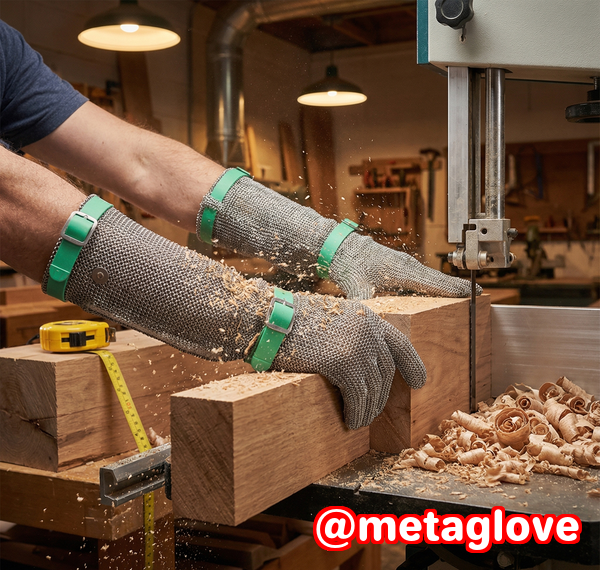
In this guide, we’ll explore the role of steel in chainmail’s effectiveness as armor and how you can assess the quality of a chainmail product before buying it. By following a few simple inspection techniques, you’ll be able to distinguish between high-quality chainmail and lower-grade products that could fail you when it matters most.
The Pain Points of Evaluating Chainmail Quality
It’s easy to get lost in the vast array of chainmail options out there. As you browse, you might find yourself wondering:
-
How do I tell if a chainmail ring is welded or open?
-
How do I know if the material is strong enough for my needs?
-
Why do some pieces of chainmail seem sturdier than others?
These are all common concerns when evaluating chainmail, and rightly so. Low-quality chainmail can lead to a host of issues, from safety hazards in industrial environments to disappointing cosplay experiences. So, let’s break down some of the most common pain points and how you can avoid them.
Difficulty Telling Welded Rings from Open Rings
Welded rings are essential for ensuring the strength and durability of chainmail. Unlike open rings, which are simply looped and not welded shut, welded rings create a secure bond that prevents the weave from falling apart under stress. When you’re inspecting chainmail, one of the first things you should do is check whether the rings are welded. This can often be done by looking closely at the ends of the rings. If they’re welded, you’ll notice a smooth, continuous seam with no visible gaps.
However, many cheaper, decorative chainmail products use open rings, which can result in weak spots in the weave. For example, during an industrial use scenario, such as food processing, an open-ring chainmail could tear under pressure, exposing workers to cuts or abrasions. In contrast, welded-ring chainmail is far more durable and effective at protecting you from harm.
Uncertainty About Stainless Steel Grades
Not all stainless steel is created equal. Two of the most common types of stainless steel used in chainmail are 304 and 316. While both offer a certain degree of resistance to rust and corrosion, 316 stainless steel is more resistant to harsh environments, such as those found in food processing or industrial settings.
As you’re inspecting chainmail, look for signs that the manufacturer is using high-grade steel, like 316, if the piece is intended for heavy-duty use. This steel resists corrosion better, especially in environments where exposure to chemicals or moisture is common. If the chainmail is intended for display or cosplay, 304 stainless steel might be sufficient, as it offers a more affordable option with a reasonable resistance to rust.
Weak or Inconsistent Weaves
Another issue that often arises is inconsistent weaves. If you look closely at some lower-quality chainmail, you might notice that the rings don’t line up properly, leading to weak spots or uneven coverage. This can compromise the durability and strength of the entire piece. A solid weave pattern like European 4-in-1 provides excellent strength while maintaining flexibility and comfort. The European 4-in-1 weave is one of the most reliable weaves in terms of strength, and it’s commonly used in both protective and decorative chainmail.
When inspecting the weave, check for consistency. If the rings are misaligned or uneven, you might be dealing with a piece that could fail under stress. Additionally, poorly woven chainmail can be uncomfortable to wear and may even cause chafing, which is an issue for any kind of protective wear.
How to Inspect Chainmail for Quality
Now that we’ve covered the common issues, let’s look at how to ensure you’re buying high-quality chainmail. The key here is thorough inspection, and with a bit of knowledge and patience, you’ll be able to spot red flags that indicate poor craftsmanship or low-quality materials.
1. Material Type
The first step in inspecting chainmail is to check the material. High-quality chainmail products are typically made from stainless steel because it offers both strength and corrosion resistance. You’ll often find products made from 304 stainless steel, which is cost-effective for decorative use. However, for industrial applications or when you need maximum durability, look for 316 stainless steel, which provides superior resistance to rust and corrosion.
2. Ring Welding and Wire Thickness
Next, inspect the rings themselves. Are they welded shut, or are they just bent? As mentioned earlier, welded rings are critical for strength. Also, take a look at the thickness of the wire used. A thicker wire generally means a stronger, more durable chainmail product. If you’re buying chainmail for industrial or protective use, don’t settle for anything with wire that feels flimsy.
3. Ring Diameter
The inner diameter of the rings can also affect the durability of the chainmail. A larger diameter might make the piece more flexible and comfortable to wear, but it can also weaken the structure of the weave. For protective chainmail, such as those used in industrial or food processing settings, smaller rings provide more durability and resistance to cuts.
4. Weave Patterns
As mentioned earlier, European 4-in-1 is one of the best weave patterns for strength and durability. It’s a reliable choice for both industrial and cosplay use. When inspecting the weave, make sure the rings are arranged in a consistent pattern and that there are no gaps or weak spots that could compromise the strength of the chainmail.
Benefits of Proper Chainmail Inspection
By following the steps outlined above, you’ll be able to avoid costly mistakes and ensure that any chainmail purchase meets your needs. Whether you’re looking for industrial cut-resistant chainmail, high-quality cosplay armor, or a historical replica, taking the time to inspect the product carefully will save you money and provide peace of mind.
Here are a few benefits of proper inspection:
-
Avoiding Unsafe Chainmail: If you’re buying chainmail for industrial or food-processing use, safety is paramount. Poorly made chainmail can cause serious injuries.
-
Ensuring Durability: High-quality chainmail will last longer and withstand wear and tear, which is important whether it’s for protection or display.
-
Saving Money: Investing in quality chainmail means fewer replacements down the road, saving you money in the long run.
Conclusion: Your Guide to Identifying Quality Chainmail
In summary, whether you’re buying chainmail for work, play, or display, it’s essential to know how to evaluate its quality. By checking the material, inspecting ring welds, evaluating wire thickness, and understanding weave patterns, you can easily identify high-quality chainmail that’s strong, durable, and fit for its purpose.
I highly recommend following these steps to ensure any chainmail purchase meets safety and durability standards. Whether it’s for industrial use or cosplay, the peace of mind knowing you’ve chosen the right product is invaluable.
If you’re ready to start identifying high-quality chainmail products, visit our Aegimesh Chainmail Inspection Guide for more detailed tips and guidance.
FAQs
-
How can I tell if a chainmail ring is welded or open?
-
Inspect the ends of the rings. Welded rings will have a seamless, smooth finish, while open rings will show gaps or overlap.
-
-
Which stainless steel grade is best for long-lasting chainmail?
-
316 stainless steel is the most durable and resistant to rust and corrosion, making it ideal for industrial or food-handling environments.
-
-
How do I inspect the weave pattern for strength?
-
Look for a consistent pattern, like the European 4-in-1 weave, with no gaps or misaligned rings. This weave offers the best balance of strength and flexibility.
-
-
What are the signs of low-quality or unsafe chainmail?
-
Weak welds, flimsy wire, and inconsistent weave patterns are all signs of low-quality chainmail. These can lead to weak spots and potential failure during use.
-
-
Can decorative chainmail be used for protective purposes?
-
While decorative chainmail can look great for costumes, it typically isn’t strong enough for protective uses like industrial cut resistance. Always opt for high-quality, welded-ring chainmail for protection.
-
-
How do I choose the right chainmail for industrial vs cosplay use?
-
For industrial use, choose chainmail made from 316 stainless steel with tight, welded rings and small inner diameters. For cosplay, 304 stainless steel or decorative chainmail with larger rings may be sufficient for display.
-
Tags: chainmail quality, welded rings, stainless steel chainmail, cut-resistant chainmail, chainmail inspection, European 4-in-1 weave