
The Role of Cut-Resistant Stainless Steel Chainmail in Modern Safety Gear
When purchasing chainmail for protection or display, I often struggle to know which products are genuinely high-quality. Whether it’s for industrial safety, food processing, cosplay, or historical reenactments, how can you tell if the chainmail you’re considering is durable enough for its intended use? The good news is, there are clear ways to assess the quality of chainmail and avoid buying subpar products that could compromise your safety or the integrity of your project.
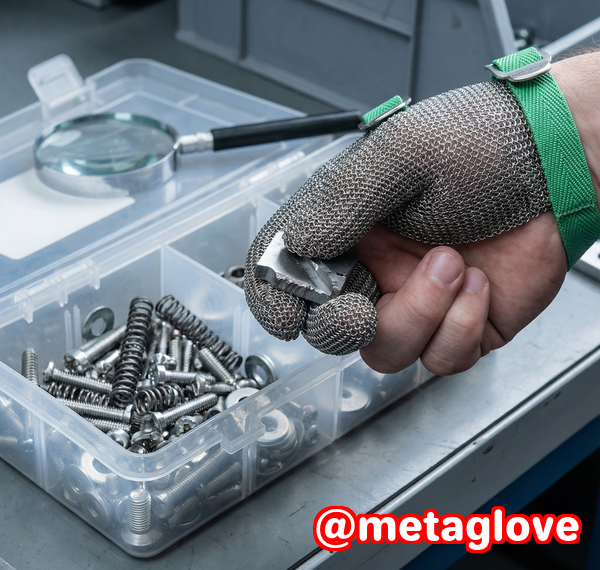
Let’s take a closer look at how to identify high-quality stainless steel chainmail, focusing on cut-resistant options that provide real protection in various settings. If you’re in the market for chainmail, whether for safety gear, a costume, or as a collector’s piece, the tips below will help you make a well-informed purchase.
The Pain of Choosing Chainmail
It’s a common situation: you walk into a shop or browse online, and you’re met with a range of chainmail products. They all look similar, but the quality? That’s a different story. Let’s discuss the three major concerns you might face:
-
Welded vs. Open Rings
When chainmail rings are not welded, they’re more likely to open under pressure, which compromises the strength and durability of the product. Identifying the difference between welded and open rings can be tricky, but it’s crucial for ensuring the chainmail will hold up under stress.
-
Corrosion Resistance
Stainless steel comes in different grades, and not all of them are equally resistant to corrosion. This is especially important for chainmail that will be exposed to moisture, oils, or chemicals in industrial settings.
-
Weak Weaves and Fragility
Chainmail that uses inconsistent or poorly made weaves might look good on the surface, but it can break down quickly, leaving you with less-than-reliable protection. The weave pattern directly affects the strength of the product.
The solution to these problems lies in understanding the key factors that contribute to high-quality chainmail and learning how to inspect it properly. That’s where Aegimesh Chainmail comes in, providing a guide and inspection tool to help buyers, collectors, and professionals evaluate the true quality of chainmail products.
How to Inspect Chainmail for Quality: A Simple Guide
If you’re buying chainmail for safety, decoration, or a project, follow these simple steps to ensure you get the best possible product.
1. Check the Material: 304 vs. 316 Stainless Steel
The first thing you should verify is the material. Not all stainless steel is created equal, and understanding the difference between 304 and 316 stainless steel can save you a lot of trouble.
-
304 Stainless Steel: This is the most common grade of stainless steel used in chainmail. It’s durable, but it’s not as resistant to corrosion as 316.
-
316 Stainless Steel: Known for its superior corrosion resistance, 316 is often used in environments exposed to saltwater or harsh chemicals, making it the best option for industrial use, food processing, or marine environments.
If you need chainmail that will endure frequent exposure to moisture or harsh conditions, 316 stainless steel is your best bet. You can typically ask the seller for this information, but if it’s not provided, it’s worth a quick inspection of the material’s sheen. 316 steel often has a more polished, sleek appearance compared to the duller 304 steel.
2. Inspect the Rings: Welded or Open?
Next up, the rings! If you want strong, durable chainmail, look for welded rings. This is one of the most critical factors in determining chainmail quality.
-
Welded Rings: These rings are sealed at the ends, making them much stronger and more secure. When pressure is applied, welded rings won’t come apart.
-
Open Rings: As the name suggests, these rings are not welded shut and can easily open under stress, leading to broken or lost links.
To check if a chainmail ring is welded or open, look closely at the edges of the rings. If the edges are smooth and seamlessly join together, the rings are welded. If you can see a visible gap or seam, then the rings are open.
3. Wire Thickness and Ring Diameter
For any chainmail to be durable and cut-resistant, the wire thickness and the inner diameter of the rings are important considerations. Thicker wire usually equals stronger chainmail, but it’s a balanceyou don’t want the rings to be so thick that they make the piece stiff or uncomfortable to wear.
Tip for the Inspecting Process:
-
Use a caliper or ruler to measure the wire thickness. This should be consistent throughout the chainmail, with no signs of thinning or weak spots.
-
For the inner diameter, the key is ensuring that the rings are neither too tight (which might cause them to wear out faster) nor too loose (which could affect the strength of the weave).
A good rule of thumb is that for industrial or cut-resistant applications, you should look for a wire thickness of 1.2mm or more. Decorative pieces, such as those used in cosplay, might have thinner wire but still need to retain a decent amount of strength.
4. Assess the Weave: European 4-in-1
When it comes to evaluating chainmail, the weave pattern plays a significant role in both its strength and appearance. The most commonly used pattern in high-quality chainmail is the European 4-in-1 weave.
-
European 4-in-1 Weave: This weave consists of four rings going through each central ring, creating a tight, secure link that provides maximum strength. It’s one of the most commonly used weaves for both protective and decorative chainmail.
To inspect the weave, ensure that the rings are tightly interwoven and that there are no loose spots or gaps in the pattern. A loose or uneven weave can make the chainmail less durable and even cause it to tear under pressure.
Why Inspecting Chainmail Quality Matters
The benefits of properly inspecting chainmail before you buy are significant:
-
Avoid unsafe chainmail: For industrial or food-processing applications, using weak or poorly constructed chainmail can be dangerous. You need chainmail that will protect you from cuts and abrasions, not put you at risk.
-
Ensure durability: If you’re buying chainmail for cosplay, a historical reenactment, or a collector’s item, you want something that will last. Weak rings, poor weaves, or low-quality steel could mean that your chainmail won’t hold up over time.
-
Save money: By knowing what to look for, you can avoid wasting money on products that won’t perform as expected.
Conclusion: Make Informed Chainmail Purchases
In summary, inspecting chainmail involves looking at the material type, ring construction, wire thickness, ring diameter, and the weave pattern. By following these simple steps, you can ensure that any chainmail you buy meets safety standards and is durable enough for its intended use.
I highly recommend following these steps to ensure any chainmail purchase meets safety and durability standards. Whether for industrial protection, food handling, cosplay, or historical replicas, the right chainmail can make all the difference.
Want to learn more about identifying high-quality chainmail products? Check out our detailed chainmail inspection guide today!
FAQ
1. How can I tell if a chainmail ring is welded or open?
Look closely at the edges of the rings. Welded rings have smooth, seamless edges, while open rings show a visible gap or seam.
2. Which stainless steel grade is best for long-lasting chainmail?
316 stainless steel offers the best corrosion resistance, making it ideal for industrial, marine, or food-processing applications. 304 is more common but less durable in harsh conditions.
3. How do I inspect the weave pattern for strength?
The most durable weave is the European 4-in-1. Ensure the rings are tightly interwoven with no loose spots or gaps.
4. What are the signs of low-quality or unsafe chainmail?
Signs include inconsistent ring sizes, weak welds, loose weaves, and poor material choices. Always inspect for these issues before purchase.
5. Can decorative chainmail be used for protective purposes?
Not always. Decorative chainmail may look great but often uses lighter wire and looser weaves. For protection, always check the ring welds and wire thickness.
6. How do I choose the right chainmail for industrial vs cosplay use?
For industrial use, look for heavier wire, welded rings, and a strong weave like European 4-in-1. For cosplay, you can opt for lighter materials, but ensure the craftsmanship is still up to standard.
Tags:
chainmail quality, welded rings, stainless steel chainmail, cut-resistant chainmail, chainmail inspection, European 4-in-1 weave