
The Materials Science Behind Steel Chainmail Armor
When you’re in the market for chainmail, whether for industrial use, cosplay, or just as a collector’s item, it can be tough to know which products are truly high-quality. Imagine you’re trying to buy a set of chainmail gloves for work. You’ve heard that chainmail offers excellent protection from cuts, but how can you be sure that what you’re buying is up to the task? Is it made of the right materials? Will it stand up to daily use without falling apart? And how can you tell if the rings are welded, or if it’s just a decorative piece designed to look like chainmail?
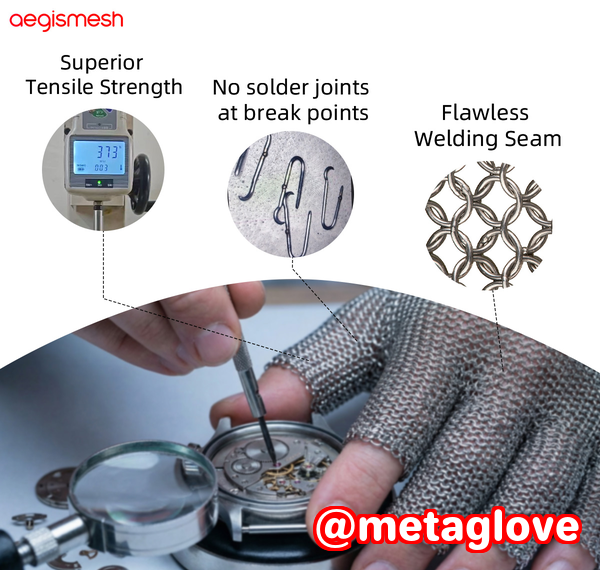
Many buyers face these exact issues when looking for chainmail. With so many products on the market, it can be overwhelming to determine what’s worth your money and what isn’t. The good news is, there are simple ways to evaluate the quality of chainmail and ensure you’re purchasing a durable, safe, and reliable product. This guide will walk you through the essential factors to consider, including the type of material, the construction of the rings, and the weave pattern. By the end, you’ll know exactly how to inspect any chainmail product like a pro, avoiding unsafe or low-quality items.
The Key Elements of Chainmail Quality
When evaluating chainmail, you’ll want to focus on several key areas to determine its quality:
-
Material Type: Chainmail is often made from stainless steel, but not all stainless steel is created equal. You may encounter products made from 304 stainless steel, which is common but not ideal for high-durability needs. Aegimesh products, for example, use 316 stainless steel for its enhanced corrosion resistance, making it perfect for industrial and food-processing use.
-
Ring Construction: The rings in a chainmail weave can either be welded or open. Welded rings are far more durable and secure, whereas open rings are easier to break and not recommended for safety-critical applications.
-
Weave Pattern: The weave pattern affects the strength of the chainmail. European 4-in-1 is a popular and strong pattern, but the quality of the weave depends on the tightness and consistency of the rings used.
Common Problems When Purchasing Chainmail
Let’s look at a few common issues buyers face when selecting chainmail:
-
Welded Rings vs Open Rings: Open rings may seem like a bargain, but they are far less reliable. If you’re buying chainmail for industrial use or for cosplay, welded rings are essential for durability and safety. The last thing you want is to have the rings break apart when you’re in a critical situation.
-
Misleading Material Claims: Not all stainless steel is the same. Some products may advertise themselves as made from stainless steel but use lower-quality alloys that don’t offer the same corrosion resistance or strength. Aegimesh, for instance, uses premium 316 stainless steel, known for its longevity, especially in tough environments.
-
Weak Weaves: Poorly woven chainmail may not hold up well over time, especially if it’s made with inconsistent ring sizes or bad workmanship. Whether it’s for protection in the workplace or just as a display piece, you need to make sure the weave is tight, durable, and well-constructed.
How to Inspect Chainmail Quality
Now that you know what to look out for, let’s go through the steps to inspect chainmail and make sure you’re buying the best product possible.
1. Inspect the Material
Start by confirming the type of stainless steel used. If you’re buying for industrial use, food handling, or even high-end cosplay, you’ll want 316 stainless steel. It’s more resistant to corrosion, which is crucial if the chainmail will be exposed to moisture or high-humidity environments. 304 stainless steel is fine for decorative purposes but not ideal for durability.
-
Tip: If you’re unsure about the material, ask the seller directly about the stainless steel grade. Look for products that mention 316 grade, especially for industrial applications.
2. Check the Ring Construction
The next step is to inspect the rings. Are they welded or open? Welded rings are more durable and secure. If you can see the ends of the rings and they don’t appear to be fused together, it’s a clear sign they are open rings.
-
How to check: Gently tug on the rings or bend them slightly. Welded rings should not budge or come apart. Open rings will bend or even break if manipulated.
-
Tip: If you’re buying for cosplay or armor, welded rings will help ensure your chainmail doesn’t fall apart during use.
3. Evaluate the Wire Thickness
A critical aspect of chainmail quality is the thickness of the wire. Thicker wire generally means stronger and more durable chainmail. If the wire is too thin, the chainmail will likely wear out quickly and lose its protective capabilities.
-
How to check: You can use a caliper or ruler to measure the thickness of the wire. Aegimesh chainmail, for example, uses a thicker wire for added strength.
4. Inspect the Weave Pattern
The weave pattern is essential for strength and durability. The European 4-in-1 weave is one of the strongest and most commonly used patterns. Each ring is interwoven with four others, creating a tight and durable mesh that can withstand significant stress.
-
How to check: Look at the weave closely. Are the rings tightly woven with no gaps? A loose weave means lower durability.
-
Tip: For industrial use or high-impact situations, check that the weave is consistent and tightly interwoven.
5. Perform a Pull Test
One of the easiest ways to test chainmail quality is by performing a simple pull test. Grasp a section of the chainmail and pull gently. If the weave holds strong and the rings don’t shift or pull apart, you’re dealing with a good-quality product.
-
Tip: Do this test in multiple areas of the chainmail to ensure consistency across the whole piece.
6. Look for Signs of Corrosion
If the chainmail has been exposed to moisture, check for signs of rust or corrosion. High-quality stainless steel, like 316, will resist rusting, but low-quality metals may corrode over time, especially if the chainmail is improperly cared for.
-
Tip: If you spot any discoloration or rust, it’s a sign the chainmail isn’t made from high-grade stainless steel.
Conclusion
When shopping for chainmail, especially for protective, industrial, or cosplay purposes, it’s crucial to know how to inspect the quality of the product. By checking the material type, ensuring the rings are welded, evaluating the wire thickness, inspecting the weave pattern, and performing simple tests, you can be confident that you’re making a smart purchase.
I highly recommend following these steps to ensure that any chainmail you buy meets both safety and durability standards. Whether you’re using it for work or display, a little extra care in your inspection can save you from costly mistakes and unsafe purchases.
Learn more about identifying high-quality chainmail products: Aegimesh Chainmail Inspection Guide
FAQ
How can I tell if a chainmail ring is welded or open?
Look for a visible seam. If the ring has a break or gap, it’s an open ring. Welded rings will have no gap, and the ends will be fused together.
Which stainless steel grade is best for long-lasting chainmail?
316 stainless steel is the best choice for long-lasting, corrosion-resistant chainmail. It’s ideal for industrial, food-handling, or high-humidity environments.
How do I inspect the weave pattern for strength?
Look for a tight and consistent weave. European 4-in-1 is a strong, durable pattern, but make sure the rings are interwoven tightly with no gaps.
What are the signs of low-quality or unsafe chainmail?
Look for signs of rust, loose rings, and poor construction. Low-quality chainmail may also have inconsistent ring sizes or a weak weave.
Can decorative chainmail be used for protective purposes?
Not always. Decorative chainmail may look appealing but lacks the durability or safety features required for industrial or protective use.
How do I choose the right chainmail for industrial vs cosplay use?
For industrial use, choose chainmail made from 316 stainless steel with welded rings and a tight European 4-in-1 weave. For cosplay, you can use 304 stainless steel, but welded rings are still recommended for durability.
Tags or Keywords
chainmail quality, welded rings, stainless steel chainmail, cut-resistant chainmail, chainmail inspection, European 4-in-1 weave
Explore Aegimesh Chainmail Software at: https://www.aegimesh.com/