
Steel Metal Chainmail Quality Assurance Process
When you’re in the market for chainmailwhether for protection, cosplay, or historical reenactmentsyou want to ensure you’re purchasing the best. But how do you differentiate between high-quality, durable chainmail and flimsy, decorative pieces that might not hold up to the wear and tear of daily use? As someone who has bought their fair share of chainmail, I can tell you it’s not always as simple as picking out a shiny piece online. Quality can vary significantly, and buying the wrong chainmail can result in wasted money, potential safety risks, or an unsatisfactory experience.
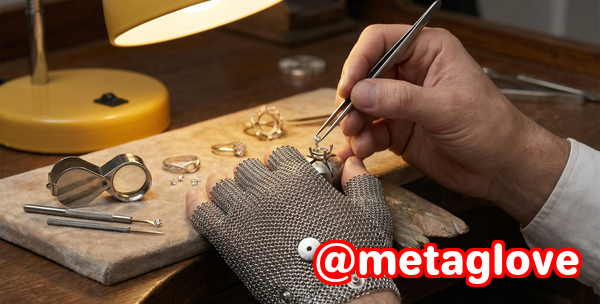
In this guide, I’ll walk you through the essential steps to evaluate chainmail quality, whether you’re a buyer, collector, industrial user, or cosplayer. I’ll show you how to identify the best materials, how to spot bad craftsmanship, and what to look for to ensure that your chainmail meets safety and durability standards. By the end of this article, you’ll be equipped to make informed purchasing decisions, saving you both time and money while avoiding low-quality products that could let you down.
Understanding Chainmail Quality: Common Pitfalls
It’s easy to get excited about purchasing chainmail, but the excitement can quickly fade when you realize you’ve bought something subpar. Here are a few pain points that many buyers face:
-
Distinguishing Welded Rings from Open Rings
A major red flag when buying chainmail is whether the rings are welded or just open. Open rings might seem like a cheap alternative, but they simply don’t provide the strength and durability needed for protection.
-
Not Knowing the Right Stainless Steel Grade
There’s a significant difference between stainless steel grades, and many sellers don’t offer enough details about the grade of steel used in their chainmail. 304 vs. 316 stainless steel? It might sound technical, but understanding this difference is key to getting a product that can withstand the test of time, especially if you’re using it for industrial or food processing purposes.
-
Weak or Inconsistent Weaves
The strength of chainmail largely comes from the weave pattern. For example, the European 4-in-1 weave is one of the most popular choices for strength, but not all chainmail is made to the same standard. Sometimes, the weave can be loose, inconsistent, or poorly executed, making the entire piece vulnerable to damage.
These issues might seem small, but they can have a significant impact on both the functionality and durability of your chainmail. The good news? There’s a straightforward way to identify them and make sure you’re getting the best product for your needs.
The Aegimesh Chainmail Inspection Guide
At Aegimesh, we understand the frustrations buyers face when trying to navigate the world of chainmail. That’s why we’ve created this guide to help you evaluate the true quality of your chainmail purchase. Here’s a step-by-step process to inspect your product for quality:
1. Check the Material: 304 vs. 316 Stainless Steel
Stainless steel is the foundation of good chainmail. It’s strong, durable, and resistant to corrosion. But not all stainless steel is created equal. Here’s the difference:
-
304 Stainless Steel: This is the most common stainless steel used for decorative chainmail. It’s suitable for cosplay and display, but it’s not as corrosion-resistant as 316 stainless steel, which makes it less ideal for industrial or food-grade applications.
-
316 Stainless Steel: This is a higher-grade stainless steel that’s resistant to corrosion, making it ideal for industrial and food processing uses. If you’re purchasing chainmail for protection or industrial work, make sure it’s made from 316 stainless steel.
Tip: If you’re unsure about the grade of steel, don’t hesitate to ask the seller. A good supplier like Aegimesh will always be transparent about the materials used.
2. Inspect the Rings: Welded vs. Open Rings
When it comes to chainmail, the ring type is crucial. Welded rings provide strength and durability, while open ringsno matter how pretty they lookcan weaken over time.
-
Welded Rings: The ends of the rings are fused together, making them secure and resistant to separating under stress.
-
Open Rings: These rings are not welded, and they can open up under strain, making the entire chainmail less durable.
Tip: Run your fingers over the rings and try to feel if there are any visible seams. If you can easily pry them open, you’ve got open rings, not welded ones. Make sure to check this before purchasing.
3. Evaluate the Wire Thickness and Inner Diameter
The thickness of the wire and the diameter of the rings play a big role in the strength and flexibility of the chainmail. If the wire is too thin or the rings are too wide, the chainmail may be weak and unable to provide the protection you need.
-
Wire Thickness: Thicker wire means more strength. For protective chainmail, look for wire that’s at least 1.2mm to 1.6mm thick. If it’s too thin, the chainmail might not stand up to pressure or impacts.
-
Ring Diameter: Smaller rings generally create a stronger, tighter weave. Larger rings can make the weave looser, reducing the overall durability.
Tip: You don’t need to be a metallurgist to check this. Use a simple ruler to measure the ring diameter and inspect the wire. If you notice any irregularities, it might be a sign of low-quality manufacturing.
4. Assess the Weave Pattern: European 4-in-1
The weave pattern of your chainmail is what holds everything together. One of the most robust and reliable weave patterns is the European 4-in-1 weave. This pattern is highly effective at distributing weight and stress, making it ideal for protective chainmail.
Tip: Check the consistency of the weave. If the pattern looks uneven or the rings don’t interlock perfectly, it could be a sign of poor craftsmanship.
Why Chainmail Inspection Matters
A proper inspection is not just about making sure your chainmail looks good; it’s about ensuring it performs the way it’s supposed to. A good chainmail product can protect you from cuts in industrial environments, withstand years of use in historical reenactments, or look amazing at a cosplay event. Here’s why proper inspection matters:
-
Safety: Industrial or food-grade chainmail must be durable and resistant to corrosion. Low-quality chainmail can compromise safety, especially in high-risk environments like food handling.
-
Longevity: Good-quality chainmail lasts longer and can handle wear and tear much better. Poorly made chainmail will break down faster and require more frequent replacements.
-
Value for Money: Proper inspection helps you avoid spending money on cheap, low-quality products that won’t meet your expectations.
Conclusion: The Best Way to Ensure Quality Chainmail
By following these simple inspection stepschecking material quality, inspecting rings, evaluating wire thickness, and assessing the weave patternyou’ll be well on your way to finding high-quality chainmail that suits your needs.
I highly recommend taking the time to inspect any chainmail purchase carefully. It’s worth the extra effort to ensure that what you’re buying is safe, durable, and of the highest quality.
Learn more about identifying high-quality chainmail products: Aegimesh Chainmail Guide. Check out our detailed chainmail inspection guide today.
FAQ
1. How can I tell if a chainmail ring is welded or open?
Run your fingers over the rings. If the ends are fused together seamlessly, it’s welded. If you can pry them apart, it’s open.
2. Which stainless steel grade is best for long-lasting chainmail?
316 stainless steel is ideal for industrial or food-processing chainmail because it’s highly resistant to corrosion. 304 is fine for decorative or cosplay chainmail.
3. How do I inspect the weave pattern for strength?
Look for a tight and consistent European 4-in-1 weave. The rings should interlock securely without gaps or loose connections.
4. What are the signs of low-quality or unsafe chainmail?
Signs include open rings, irregular weave patterns, thin wire, and visible signs of corrosion or wear.
5. Can decorative chainmail be used for protective purposes?
It depends on the material and construction. Most decorative chainmail isn’t designed for protection, so it’s not suitable for industrial or safety applications.
6. How do I choose the right chainmail for industrial vs. cosplay use?
For industrial use, always choose chainmail made from 316 stainless steel with welded rings. For cosplay, 304 stainless steel with decorative weaves will be sufficient, but make sure the rings are welded for durability.
Tags or Keywords:
-
chainmail quality
-
welded rings
-
stainless steel chainmail
-
cut-resistant chainmail
-
chainmail inspection
-
European 4-in-1 weave
-
chainmail durability