
Steel Metal Chainmail Material Innovations: How to Identify Quality and Avoid Low-Grade Chainmail
When it comes to purchasing chainmail, whether for industrial safety, historical reenactment, or cosplay, the task can be overwhelming. It’s not always easy to differentiate between high-quality products and low-grade or decorative imitations that won’t serve your purpose. I’ve personally had my fair share of moments, staring at a piece of chainmail, wondering: “Is this the real deal, or am I wasting my money?” It’s a common concern, and one that can easily lead to frustration, especially when you need your chainmail to perform at its best.
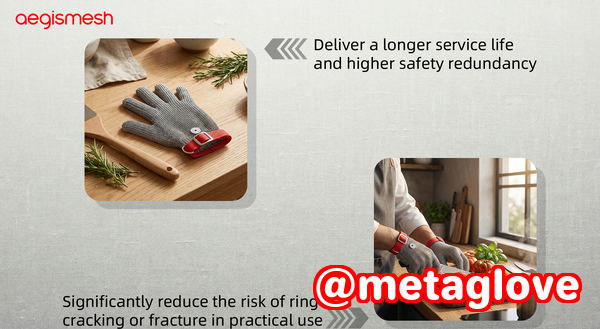
Whether you’re buying chainmail for protection, display, or professional use, knowing how to assess its quality is crucial. If you’ve ever felt unsure about what to look for in a quality chainmail piece, you’re not alone. In this article, I’ll guide you through the process of evaluating chainmail, breaking down key elements such as ring welding, material quality, and weave patterns. By the end, you’ll know exactly how to identify high-quality, durable chainmail that meets your needs.
The Pain Points of Choosing the Right Chainmail
Let’s face it, most of us don’t have the expertise to instantly spot the difference between high-quality chainmail and a cheap, unsafe imitation. Here are a few common pain points you might recognize:
-
Welded vs. Open Rings: It’s tricky to tell whether the rings are welded or simply twisted. Open rings can easily break apart, compromising both the strength and safety of the chainmail. Many sellers don’t highlight this crucial detail, leaving buyers to wonder if they’re getting a safe product.
-
Material Confusion: Not all stainless steel is created equal. Two common grades you’ll encounter are 304 and 316 stainless steel. The difference? 316 is more resistant to corrosion and is ideal for high-risk environments like food handling or industrial use. Without knowing which one you’re dealing with, you might end up with a product that rusts or fails too soon.
-
Weak Weaves: The weave pattern of chainmail isn’t just for looksit affects its strength. Weak or inconsistent weaves can reduce durability, which is especially problematic if you need the chainmail to protect against cuts or abrasions.
The Solution: Aegimesh Chainmail Inspection Guide
Luckily, identifying quality chainmail doesn’t have to be a guessing game. Aegimesh Chainmail provides an easy-to-follow inspection guide that walks you through everything you need to check. Let’s break down some of the key inspection methods so you can evaluate chainmail like a pro.
1. Material Matters: Stainless Steel Grades
The first step in evaluating chainmail is understanding the material. There are two main grades of stainless steel commonly used in chainmail production: 304 and 316.
-
304 Stainless Steel: While it’s resistant to corrosion in most situations, it’s not the best choice for environments where the chainmail will be exposed to moisture, food handling, or harsh conditions. It’s a great option for decorative pieces or low-risk uses.
-
316 Stainless Steel: If you need chainmail for industrial or high-risk protection (think food processing or safety gear), go for 316 stainless steel. It offers superior corrosion resistance and is perfect for environments where hygiene and durability are critical.
2. Welded vs. Open Rings
One of the easiest ways to tell if you’re looking at high-quality chainmail is by checking the rings. Are they welded? Or are they just twisted together?
-
Welded Rings: A good, strong weld will ensure that the rings stay intact, even under stress. They’re the best choice for chainmail that needs to be strong and durable.
-
Open Rings: Open rings are less reliable and can easily break apart, rendering the chainmail ineffective for protective use.
Here’s a simple test: Try pulling the rings apart. If they easily come apart, you’ve likely got open rings.
3. Wire Thickness and Ring Diameter
The wire thickness and ring diameter also play a huge role in the overall durability of the chainmail. If the wire is too thin or the rings too large, the chainmail won’t offer the protection you need.
-
Ideal Wire Thickness: Look for a wire thickness that feels sturdy, but not overly bulky. A thicker wire means more durability, but too thick and you lose flexibility.
-
Ring Diameter: For chainmail used in protective environments, the ring diameter should be small enough to create a solid weave, but not so small that it restricts movement or airflow.
4. Weave Patterns: European 4-in-1 Weave
When you’re inspecting the weave, look for consistency and strength. A weave like the European 4-in-1 is a reliable and commonly used pattern. It offers both strength and flexibility, making it ideal for both decorative and functional uses.
Make sure the weave isn’t too loose or irregular, as this will weaken the chainmail’s structure. The tighter and more consistent the weave, the stronger your chainmail will be.
5. Signs of Corrosion or Poor Craftsmanship
No matter how beautiful the chainmail looks on the outside, if there are signs of rust or corrosion, it’s a red flag. Examine the surface closely for any spots of discoloration, which may indicate poor craftsmanship or subpar material.
Also, check for rough edges or visible gaps in the weavethese imperfections not only affect the aesthetic but can also impact the durability of the chainmail.
Why Proper Chainmail Inspection Is Essential
Before making a purchase, ensure you’ve checked all the key factors mentioned above. Properly inspecting chainmail can save you money, time, and frustration. Here’s why:
-
Avoid Unsafe Purchases: Low-quality chainmail may not provide adequate protection, putting you at risk, especially in industrial settings or high-stakes environments like food processing.
-
Ensure Durability: Proper inspection ensures that your chainmail will last, whether you’re using it for cosplay, historical reenactments, or everyday industrial use.
-
Save Money: It’s tempting to go for the cheaper option, but low-quality chainmail may fail sooner, costing you more in the long run.
Aegimesh: Your Guide to Quality Chainmail
With Aegimesh, you don’t have to worry about these issues. Our chainmail products are carefully crafted with quality materials and expert attention to detail, ensuring long-lasting protection and aesthetic appeal. Whether you’re in need of cut-resistant chainmail for industrial use or a high-quality costume piece, we have you covered.
Learn more about identifying high-quality chainmail products: Aegimesh Chainmail Guide
FAQ
1. How can I tell if a chainmail ring is welded or open?
The simplest way is to test the rings by gently pulling them apart. Welded rings are securely fused together, while open rings will come apart easily.
2. Which stainless steel grade is best for long-lasting chainmail?
For durability and resistance to corrosion, 316 stainless steel is the best option. It’s especially important for industrial, food processing, or safety-related chainmail.
3. How do I inspect the weave pattern for strength?
Look for even, tight weaves that don’t have any loose ends or irregular patterns. The European 4-in-1 weave is a good example of a strong, durable pattern.
4. What are the signs of low-quality or unsafe chainmail?
Signs include corrosion, inconsistent welding, gaps in the weave, and thin wire that feels flimsy or weak. Always check these areas before purchase.
5. Can decorative chainmail be used for protective purposes?
Not always. Decorative chainmail may look good but lacks the strength needed for protection. Be sure to choose a piece with welded rings and sturdy wire if you need it for safety.
6. How do I choose the right chainmail for industrial vs. cosplay use?
For industrial use, opt for heavier, welded 316 stainless steel with a tight, consistent weave. For cosplay, you can go for lighter, decorative pieces made from 304 stainless steel.
Conclusion
Whether you’re purchasing chainmail for safety or decoration, it’s crucial to know what you’re getting. By following the steps outlined in this guidechecking the material, inspecting the rings, evaluating wire thickness, and ensuring a solid weaveyou can ensure that your chainmail will perform as needed. I highly recommend following these steps to make sure any chainmail purchase meets both safety and durability standards.
Ready to make an informed purchase? Learn more about our top-quality chainmail products and inspection guide at Aegimesh.
Explore Aegimesh Chainmail Software at: https://www.aegimesh.com/