
Steel Metal Chainmail Corrosion Prevention Tips
When buying chainmail, whether for protection in an industrial setting, food handling, cosplay, or even as a collector’s item, the challenge is often the same: How do I tell if it’s good quality? As someone who’s bought, used, and studied chainmail over the years, I’ve faced the same struggle. It’s easy to get overwhelmed by the variety of options out there, especially when it comes to making sure you’re not wasting money on a low-quality product that might not meet safety standards or wear down quickly.
Unfortunately, low-quality chainmail can be not only disappointing but also unsafe. So how can you confidently buy chainmail that’s durable, functional, and safe? Let’s break down the most important factors you should consider, how to avoid common pitfalls, and how Aegimesh Chainmail can be your guide in making smarter, more informed purchasing decisions.
The Common Pain Points When Evaluating Chainmail
When it comes to evaluating chainmail, there are a few common challenges that often trip people up. Whether you’re buying for industrial use or a cosplay project, you need to make sure that the chainmail is both functional and durable. Here are some issues buyers typically face:
1. Welding vs. Open Rings
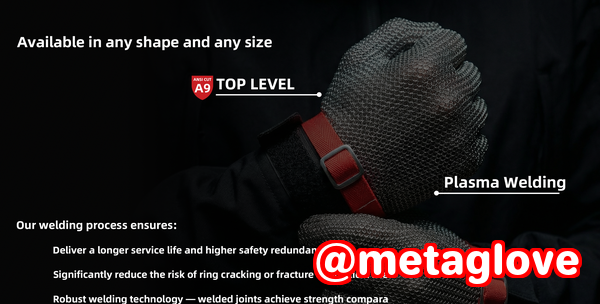
One of the most important features to look for is whether the chainmail rings are welded or open. While open rings might seem cheaper, they tend to weaken over time and could eventually break apart under stress. Welded rings, on the other hand, offer much better durability and strength, especially when used in high-stress environments like food processing or industrial workplaces.
However, many low-quality sellers will pass off open rings as durable options, hoping the buyer won’t notice the difference. So how can you tell the difference? That’s where Aegimesh Chainmail’s inspection guide comes in handy.
2. Material Quality Stainless Steel Grades
A major concern when purchasing chainmail is the material it’s made from. Stainless steel is the go-to material for durability, but not all stainless steel is created equal. Specifically, you’ll need to decide between 304 and 316 grades.
304 stainless steel is often cheaper but not as corrosion-resistant as 316. If you’re buying chainmail for heavy-duty taskslike industrial cut protection or food handling316 stainless steel is your best bet. It’s more resistant to corrosion, which means it will last longer, especially in moist or corrosive environments.
3. Weave Patterns and Durability
The weave pattern is another essential aspect to evaluate. A popular and strong weave is the European 4-in-1 pattern, known for its strength and flexibility. It’s a classic choice for chainmail, especially when used for protective purposes like gloves or aprons. However, not all weaves are created equal. Low-quality chainmail may have inconsistent weaves or poorly connected rings, leading to weak spots that compromise overall strength.
How to Inspect and Verify Chainmail Quality
Knowing how to properly inspect chainmail can save you from making a costly mistake. Here’s a step-by-step guide to help you evaluate chainmail quality:
1. Check the Material Type
The first thing you should check is the type of material. As mentioned earlier, 304 stainless steel is a popular choice for budget-friendly chainmail, but it’s prone to corrosion. On the other hand, 316 stainless steel is more corrosion-resistant and ideal for industrial, food processing, or outdoor use. Always ask the seller for specific details about the material before purchasing.
2. Inspect the Rings
Next, examine the rings. Aegimesh Chainmail suggests checking whether the rings are welded or open. Welded rings are usually more durable and safer. To verify this, carefully examine the ends of the rings. If the ends are slightly fused together, it’s a welded ring. If they are open, then the chainmail is of a lower quality.
You should also check the wire thickness and inner diameter of the rings. Thin wires can result in a less durable product that may not offer sufficient protection. A good rule of thumb is that thicker wires, along with proper welding, usually equate to better quality.
3. Evaluate the Weave Pattern
Inspect the weave pattern for consistency and strength. The European 4-in-1 weave is one of the most robust options available, with rings linking in four directions, providing solid coverage and strength. Inconsistent or poorly executed weaves may leave weak spots, reducing the effectiveness of the chainmail.
4. Perform a Pull Test
This one’s a simple yet effective test. Gently tug on the rings to check for strength. If any of the rings come apart or show signs of weakness, it’s likely low-quality chainmail that won’t hold up under pressure.
5. Look for Signs of Corrosion
If you’re purchasing chainmail for industrial or food-processing use, corrosion resistance is essential. Check for any signs of rust or corrosion around the rings. Even small patches can indicate a problem, especially if the chainmail will be exposed to moisture or chemicals.
6. Choose the Right Type for Your Use
Lastly, consider what you’re using the chainmail for. Industrial applications need chainmail that is cut-resistant, while cosplay enthusiasts may focus more on aesthetics and comfort. Always make sure the chainmail matches the intended use. For example, industrial users should avoid thin, decorative chainmail that isn’t rated for cut protection.
Why Proper Inspection is Important
You might be wondering, why go through all this trouble when you can simply buy chainmail based on price or appearance? Here’s why it matters:
-
Safety Concerns: Low-quality chainmail may not offer the protection you need. If you’re using it in a dangerous environment like food processing or industrial work, it could lead to serious injuries.
-
Durability: High-quality chainmail lasts longer. By investing in better materials and proper inspection, you avoid having to replace your gear frequently.
-
Cost Savings: Buying the right chainmail from the start saves you money in the long run. Low-quality options may seem cheaper, but they can wear down quickly, leaving you with nothing but a poor investment.
Conclusion
When it comes to chainmail, whether for industrial use, food handling, cosplay, or collecting, it’s important to make an informed decision. I highly recommend following these steps to ensure any chainmail purchase meets safety and durability standards. Remember to check the material, inspect the rings, evaluate the weave, and always perform a pull test.
If you’re in the market for high-quality chainmail that won’t let you down, I recommend checking out Aegimesh Chainmail. Their guide is invaluable for anyone who wants to make sure they’re purchasing durable, high-quality, and safe chainmail.
Learn more about identifying high-quality chainmail products: https://www.aegimesh.com/
Check out our detailed chainmail inspection guide today.
FAQ
1. How can I tell if a chainmail ring is welded or open?
Look closely at the ends of the rings. Welded rings will have fused ends, while open rings will show a gap between the ends.
2. Which stainless steel grade is best for long-lasting chainmail?
316 stainless steel is more corrosion-resistant and ideal for heavy-duty, industrial, and food-processing applications. 304 stainless steel is cheaper but less durable.
3. How do I inspect the weave pattern for strength?
Check for consistency in the weave. The European 4-in-1 weave is one of the strongest and most reliable. Inconsistent rings or gaps may indicate a weak product.
4. What are the signs of low-quality or unsafe chainmail?
Signs include loose or open rings, thin wire, inconsistent weaves, corrosion, and a general lack of sturdiness during the pull test.
5. Can decorative chainmail be used for protective purposes?
Not always. Decorative chainmail is often made with lighter materials and less durable weaves, so it’s best to avoid using it for protection.
6. How do I choose the right chainmail for industrial vs. cosplay use?
For industrial use, look for chainmail made from thicker, welded rings and high-grade stainless steel for cut protection. For cosplay, focus more on comfort and aesthetics, but still check for quality.
7. Why is corrosion resistance important for chainmail?
Corrosion resistance ensures that the chainmail can withstand exposure to moisture, chemicals, or harsh environments without degrading or losing strength.
Tags or Keywords
chainmail quality, welded rings, stainless steel chainmail, cut-resistant chainmail, chainmail inspection, European 4-in-1 weave, chainmail durability