
Steel Metal Chainmail Cleaning for Industrial PPE: A Guide to Quality and Durability
When it comes to protective gear, chainmail has long been regarded as one of the most reliable materials for safeguarding against cuts and abrasions. But with a growing number of options available on the market, how can you be sure you’re investing in high-quality chainmail that will keep you safe and stand the test of time?
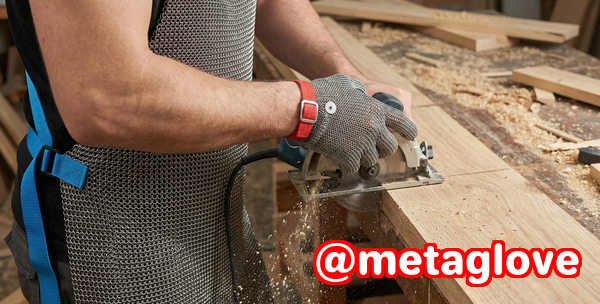
Whether you’re purchasing chainmail for industrial use, cosplay, or historical reenactments, understanding how to evaluate the material’s quality is essential. In this guide, I’ll walk you through practical tips for inspecting chainmail, so you can avoid low-quality or unsafe purchases, and make sure your investment is durable and fit for its intended purpose.
The Importance of Choosing Quality Chainmail
Imagine you’re working in a high-risk environment like a meatpacking plant, where sharp objects are constantly in use. You need cut-resistant chainmail gloves or aprons to protect your hands and body. Now, imagine buying chainmail that looks the part but doesn’t perform when it’s needed the most. Weak links, poor welds, and inadequate material choice can leave you vulnerable to injury and cost you more in the long run.
If you’re a collector or cosplayer, you also want to ensure your chainmail is both durable for display and safe to wear for longer durations. Aesthetic issues like rust or fragility can ruin the look and feel of your costume, so knowing how to inspect the weave and materials properly is just as crucial.
Pain Points When Evaluating Chainmail Quality
-
Welded vs. Open Rings
One of the first things to check is whether the rings are welded or simply open. Open rings may appear less durable and offer reduced cut protection, as they can easily slip apart under pressure. Welded rings, on the other hand, are securely fused together, making the chainmail more durable and better at resisting wear.
-
Stainless Steel Grades
Chainmail can be made from various grades of stainless steel, but not all are equal when it comes to corrosion resistance or strength. While 304 stainless steel is more affordable and generally suitable for decorative or light-duty use, 316 stainless steel offers better resistance to corrosion and is more appropriate for industrial environments or food processing, where hygiene and durability are crucial.
-
Weave Quality and Consistency
Another common pain point is the quality of the weave. A poorly executed weave can lead to weaknesses that affect the overall protection and longevity of the chainmail. Popular weaves like the European 4-in-1 are known for their strength and balance of flexibility and protection, making them ideal for industrial applications or armor.
How to Inspect Chainmail for Quality
Aegimesh Chainmail offers an excellent resource for buyers and professionals to evaluate chainmail products. Here’s a breakdown of how you can inspect chainmail for quality, ensuring you’re making a wise purchase:
1. Material Check: 304 vs. 316 Stainless Steel
-
304 Stainless Steel: This is the most common grade used for decorative items and cosplay. It’s affordable and rust-resistant under normal conditions but can deteriorate in highly corrosive environments.
-
316 Stainless Steel: More durable and highly resistant to corrosion, 316 is the go-to material for industrial-grade cut protection. If you’re buying chainmail for professional use, such as in food processing or heavy industrial environments, always opt for 316 stainless steel.
2. Inspect the Ring Welding
-
Welded Rings: Check if the rings are welded shut. A properly welded ring will look seamless and have no visible gaps. If the rings are open, the chainmail will be less durable, as the rings may come apart over time.
-
How to Test: Gently pull a few rings apart to see if they open. If they do, you’re dealing with open rings, which should be avoided for industrial or protective use.
3. Wire Thickness and Inner Diameter
-
Wire Thickness: The thicker the wire, the stronger the chainmail. Look for thicker gauge wires, especially in industrial-grade chainmail. A thinner wire may bend or break more easily under stress.
-
Inner Diameter: The inner diameter of the rings affects the flexibility and strength of the weave. A ring that’s too small or too large for the wire gauge may weaken the structure, leading to a less effective chainmail.
4. Weave Pattern Evaluation
-
European 4-in-1 Weave: This pattern is often considered the standard for durability and flexibility. Each ring passes through four others, creating a robust, tight weave. It’s commonly used in industrial and historical chainmail.
-
Other Weaves: While other weaves like 6-in-1 or 8-in-1 may offer additional protection, they can also reduce flexibility. It’s important to consider the intended use when choosing the right pattern.
Why Proper Chainmail Inspection Matters
Investing in high-quality chainmail is about more than just protecting yourself. It’s about ensuring the durability of the product, which can save you money in the long run. Here are the benefits of performing a thorough inspection:
-
Safety: For industrial applications, improperly made chainmail can put workers at risk. Weak welds or inferior material can result in serious injuries, especially in environments that involve sharp objects or high-temperature conditions.
-
Durability: Low-quality chainmail may look great at first, but it won’t last as long. Proper inspection helps you identify products that can withstand heavy use and stand the test of time.
-
Cost-Effectiveness: If you identify low-quality chainmail before purchase, you save money by avoiding the need for replacements. It also ensures you’re getting the value you expect for your investment.
How to Perform a Simple Chainmail Pull Test
A simple but effective way to test chainmail is the pull test. Here’s how you can do it:
-
Grab a ring at the edge of the weave and gently pull on it.
-
If the ring stays in place and doesn’t shift or open, the weave is tight and durable.
-
If the ring slips out or the weave loosens, it’s an indication that the chainmail may not hold up well under stress.
Conclusion: Making the Right Choice
Chainmail is a versatile and effective material for a range of applications, but it’s only as good as the quality of the product you purchase. Whether you need chainmail for industrial protection, cosplay, or a historical reenactment, it’s important to inspect the materials, welds, weave patterns, and overall construction.
I highly recommend following the steps outlined above to ensure that your chainmail is up to standard. Not only will this ensure safety and durability, but it will also help you avoid wasting money on low-quality products that won’t meet your needs.
If you want to dive deeper into chainmail inspection, check out the full guide and learn more about how to evaluate chainmail before your next purchase: Aegimesh Chainmail Inspection Guide.
FAQ
-
How can I tell if a chainmail ring is welded or open?
-
Look for a seamless connection. If the ring is welded, there will be no visible gap, and it will feel smooth to the touch.
-
-
Which stainless steel grade is best for long-lasting chainmail?
-
For industrial use, always go for 316 stainless steel due to its superior corrosion resistance and durability.
-
-
How do I inspect the weave pattern for strength?
-
Check if the rings pass through each other in a consistent pattern, such as the European 4-in-1 weave. The tighter the weave, the stronger the chainmail.
-
-
What are the signs of low-quality or unsafe chainmail?
-
Signs include rust, poorly welded rings, inconsistent weave patterns, or thin wire gauge.
-
-
Can decorative chainmail be used for protective purposes?
-
Decorative chainmail may look appealing but is often not durable or protective enough for industrial or safety purposes.
-
-
How do I choose the right chainmail for industrial vs cosplay use?
-
For industrial use, opt for 316 stainless steel with a strong, consistent weave. For cosplay, lighter materials and decorative weaves like European 4-in-1 may be sufficient.
-
-
How do I choose the right chainmail for industrial vs cosplay use?
-
For cosplay, a lighter and more flexible weave is sufficient. For industrial uses, prioritize durability, corrosion resistance, and safety standards.
-
Tags or Keywords:
chainmail quality, welded rings, stainless steel chainmail, cut-resistant chainmail, chainmail inspection, European 4-in-1 weave, chainmail durability