
Steel Metal Chainmail and Precision Manufacturing: A Buyer’s Guide to Quality and Durability
When purchasing chainmail, whether for cosplay, industrial use, or historical replicas, it’s easy to feel overwhelmed by the sheer number of options available. As someone who’s spent hours searching for that perfect piece of protective gear or display item, I understand the frustration of not knowing how to identify the difference between high-quality and low-quality chainmail. This article will guide you through the essential steps for evaluating chainmail products, so you can make informed decisions that guarantee durability, safety, and long-lasting performance.
Evaluating Chainmail: A Common Concern
As an enthusiast, professional, or collector, I know the struggle of making sure the chainmail I purchase will meet my needs. Whether you’re working in a high-risk industrial environment, handling food, or preparing for a cosplay event, you want the assurance that the product you’re buying will be safe, durable, and worth the investment. But with so many varieties out there, how can you tell the difference between a high-quality piece and a poorly made imitation? It all comes down to a few key inspection techniques that are easy to learn and apply.
Common Problems When Evaluating Chainmail
-
Welded vs. Open Rings
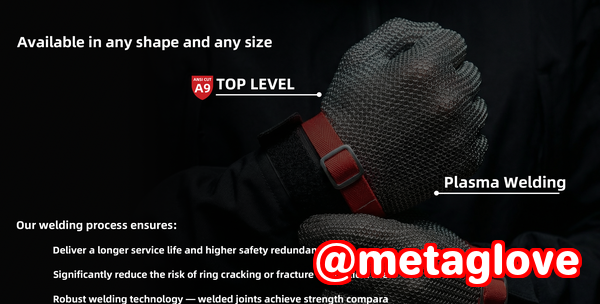
One of the most common issues buyers face is determining whether the rings in the chainmail are welded or open. Welded rings are far superior when it comes to durability, as they create a seamless connection that won’t come apart under stress. Open rings, on the other hand, are more likely to weaken over time, especially if subjected to heavy wear.
-
Stainless Steel Grades and Corrosion Resistance
Not all stainless steel is created equal. Some grades, like 304 stainless steel, are resistant to rust but may not perform as well under extreme conditions. If you’re looking for chainmail that will stand the test of time, especially in high-moisture environments, choosing the right stainless steel grade, like 316, can make all the difference.
-
Weak Weaves
Weak or inconsistent weaves can compromise the structural integrity of the chainmail. Weaves like the European 4-in-1, for instance, are known for their strength and flexibility, but a poorly executed weave can result in a product that doesn’t hold up under pressure. Ensuring the rings are securely woven and that the pattern is consistent is key to evaluating quality.
How to Inspect Chainmail: A Step-By-Step Guide
When it comes to ensuring that the chainmail you’re buying is high-quality, it’s essential to inspect several key aspects: material, ring construction, wire thickness, and weave pattern. Let me break down each of these for you:
1. Material Type (304 vs. 316 Stainless Steel)
The material your chainmail is made from plays a huge role in its overall quality and durability. If you’re not sure which material is best, here’s a simple breakdown:
-
304 Stainless Steel: This is the most common grade used for chainmail. It is resistant to rust and corrosion but is not as durable as 316.
-
316 Stainless Steel: This is the preferred material for chainmail exposed to moisture or harsh environments. It offers superior corrosion resistance, making it ideal for industrial settings, food handling, or high-humidity environments.
Tip: If you’re unsure, look for a product that specifically mentions its stainless steel grade. If not, check the product details carefully to avoid purchasing something with less durable material.
2. Ring Construction (Welded vs. Open Rings)
When you inspect the rings in a piece of chainmail, look closely at the ends. Are they closed off completely, or can you see a tiny gap? Welded rings are stronger and more durable, and they are typically used in high-quality chainmail. Open rings, on the other hand, are easier and cheaper to produce but may not hold up well over time.
How to Spot a Welded Ring:
-
Look closely at the edges of the rings; a welded ring should have a smooth, continuous edge.
-
Open rings will usually have a small gap where the ends meet.
-
Give the ring a gentle tug to check for any signs of separation.
3. Wire Thickness and Ring Diameter
The thickness of the wire and the inner diameter of the rings are crucial when evaluating strength and durability. Thicker wire generally means stronger chainmail, while a larger inner diameter allows for more flexibility but may reduce strength.
Tip: If you’re using the chainmail for industrial purposes or cut protection, you’ll want to ensure the wire is thick enough to offer adequate protection without sacrificing flexibility.
4. Weave Patterns: European 4-in-1
The weave pattern is an essential factor when assessing the durability of the chainmail. The European 4-in-1 weave is one of the most popular and strongest weaves, where each ring is interwoven with four others. This type of weave provides excellent protection and flexibility.
How to Inspect the Weave:
-
Check the consistency of the weave. If the pattern is uneven or loose, the chainmail might be poorly constructed.
-
Inspect the rings closely to see if they are all interlocked correctly.
5. Perform a Pull Test
A simple test you can do at home is the pull test. Gently pull on the rings to check for any signs of separation. A high-quality chainmail will hold up well to this test without the rings coming apart.
Tip: If the rings feel loose or you notice any weak spots, the product may be of low quality.
6. Signs of Corrosion or Poor Craftsmanship
Especially if you’re buying second-hand or older chainmail, check for signs of corrosion, rust, or other signs of wear. If the product is made from stainless steel but shows signs of rust, it might be a lower-quality material or improperly treated.
Benefits of Proper Chainmail Inspection
By performing these simple inspection techniques, you can:
-
Avoid Unsafe Products: Especially in industrial or food-processing environments, poor-quality chainmail can be hazardous. Proper inspection ensures the material is strong and safe.
-
Ensure Durability: The right chainmail will last longer and perform better in the long run, saving you money.
-
Make Informed Choices: Whether you’re a collector, cosplayer, or industrial user, understanding the quality of the chainmail you purchase ensures you get value for your money.
Conclusion: How to Ensure High-Quality Chainmail Purchases
When buying chainmail, I highly recommend following these simple inspection steps to guarantee that the product meets your needs for safety, durability, and quality. Whether you’re using the chainmail for cosplay, historical replicas, or industrial protection, it’s crucial to check for welded rings, inspect the material type, evaluate wire thickness, and ensure a strong weave pattern.
If you want to learn more about identifying high-quality chainmail products, I suggest checking out our detailed guide and inspection tool at Aegimesh Chainmail. Make sure your next chainmail purchase is one you can rely on!
FAQs
1. How can I tell if a chainmail ring is welded or open?
To identify welded rings, check the ends. Welded rings will have a smooth, continuous edge, while open rings will have a visible gap.
2. Which stainless steel grade is best for long-lasting chainmail?
316 stainless steel is ideal for chainmail exposed to moisture or extreme conditions, while 304 is sufficient for most general uses.
3. How do I inspect the weave pattern for strength?
Check that the weave is consistent and that the rings are interlocked securely. A European 4-in-1 weave is strong and flexible, perfect for most uses.
4. What are the signs of low-quality or unsafe chainmail?
Signs of poor quality include open rings, rust, corrosion, uneven weave patterns, and thin wire that bends easily.
5. Can decorative chainmail be used for protective purposes?
Decorative chainmail often lacks the strength and durability needed for protective purposes. Always inspect for welded rings and the appropriate material.
6. How do I choose the right chainmail for industrial vs. cosplay use?
For industrial use, prioritize thicker wire, welded rings, and high-quality stainless steel. For cosplay, flexibility and comfort may be more important, though you still want a strong weave.
7. How can I save money while ensuring I buy high-quality chainmail?
By learning how to inspect chainmail properly, you can avoid low-quality products that break easily, saving money in the long run.