
Steel Metal Chainmail and Industrial Risk Prevention
When you’re purchasing chainmail for industrial protection or display purposes, it’s not always easy to know which products are truly up to the task. Whether you’re buying for professional use, cosplay, or collecting, the risk of choosing a low-quality or unsafe product is a real concern. So, how do you ensure that the chainmail you invest in will provide the safety, durability, and aesthetic you’re after? In this guide, I’ll walk you through the key factors that make up high-quality chainmail and how you can inspect it to avoid costly mistakes or safety hazards. Let’s dive in.
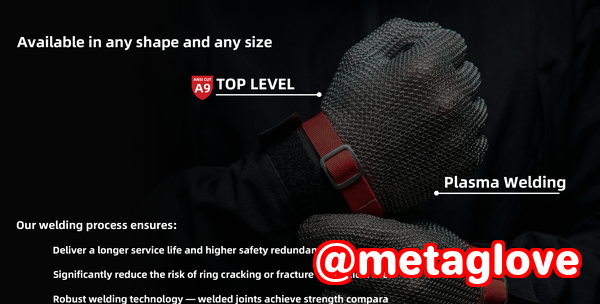
Evaluating Chainmail Quality: The Common Pitfalls
As a buyer, there are a few common challenges you’ll face when evaluating chainmail. Many of these can lead to frustration and sometimes, costly mistakes. Here are a few that you might have encountered or will likely come across:
-
Welded vs. Open Rings
A common mistake many buyers make is confusing welded rings with open rings. While open rings are easy to find and can be cheaper, they’re also much weaker and not suitable for high-impact or protective purposes. Welded rings, on the other hand, offer superior strength and are a hallmark of high-quality chainmail.
-
Choosing the Right Stainless Steel Grade
Not all stainless steel is created equal. Grades like 304 and 316 stainless steel offer different levels of corrosion resistance and strength. Understanding the right grade for your needs can make the difference between chainmail that holds up under pressure and one that corrodes or wears out too quickly.
-
Inconsistent Weaves
The strength of your chainmail depends heavily on the weave pattern. If the weave isn’t consistent, the chainmail won’t hold up in critical applications like cut protection or historical reenactments. A poorly woven chainmail is a sign of a rushed or low-quality product, and it can lead to weak spots.
How Aegimesh Chainmail Can Help
This is where Aegimesh Chainmail comes in. Our guide and inspection tool provide you with everything you need to evaluate chainmail quality like a pro. By understanding the right materials, inspecting for key features like welded rings and wire thickness, and knowing the proper weave patterns, you can easily distinguish between high-quality, durable chainmail and low-grade imitations. Here’s how you can do it:
Step-by-Step Chainmail Inspection Guide
1. Check the Material Type
The first step in evaluating chainmail is to determine the material. 304 and 316 stainless steel are the two most commonly used grades for high-quality chainmail. Here’s the key difference:
-
304 Stainless Steel: Offers decent corrosion resistance and is cost-effective. Great for decorative purposes and light industrial use.
-
316 Stainless Steel: Superior corrosion resistance, ideal for food processing environments, marine settings, and industrial cut protection. If you’re using chainmail in high-stress environments, 316 is your go-to.
2. Inspect the Rings for Welds
Next, look at the individual rings. Are they welded shut or open? Welded rings are a clear sign of quality. Open rings, as mentioned, are a weak point and may compromise the integrity of the chainmail. Here’s how to check:
-
Look at the ends of the rings: Welded rings will have a seamless, smooth finish, while open rings will often have a noticeable gap at the seam.
-
Give the rings a slight pull: Welded rings should hold strong with minimal movement. If you notice flexibility or if they pull apart easily, they’re likely open rings.
3. Evaluate Wire Thickness and Inner Diameter
The thickness of the wire and the inner diameter of the rings affect the strength and flexibility of the chainmail. A thicker wire generally means more strength, but it may reduce the flexibility. The inner diameter (ID) is also crucial, as it impacts how tightly the rings interlock, influencing durability.
-
For industrial use, look for a heavier gauge wire and rings with a smaller inner diameter.
-
For decorative or cosplay use, a thinner wire with a larger ID can offer flexibility and a lighter feel.
4. Assess the Weave Pattern
Weave patterns are what give chainmail its strength and protection properties. One of the most reliable patterns for durability is the European 4-in-1 weave. Here’s what makes it special:
-
The European 4-in-1 weave connects each ring to four others, creating a strong interlocking pattern.
-
For maximum strength, check for a tight weave with consistent ring alignment.
5. Perform a Pull Test
One of the easiest ways to check the strength of your chainmail is to give it a gentle pull. Does it feel firm and sturdy? Or does it stretch or warp easily? A proper pull test can help you spot weak spots in the weave, poor-quality welding, or inconsistent ring sizing.
6. Look for Signs of Corrosion
Corrosion is the enemy of chainmail, especially in industrial or food-related applications. Check for any discoloration, rust spots, or pitting that could indicate poor-quality material or inadequate protection against moisture and chemicals. Stainless steel grades like 316 are corrosion-resistant, but poor-quality chainmail can still show signs of wear over time.
The Importance of Chainmail Inspection
Taking the time to inspect chainmail before purchasing offers several benefits:
-
Avoiding unsafe purchases: Poorly made chainmail might not provide the protection you need for industrial or food-handling use.
-
Ensuring durability: Quality chainmail will last longer and resist wear and tear, making it a better investment in the long run.
-
Saving money: By identifying low-quality products early on, you avoid having to replace faulty chainmail or dealing with unexpected repairs.
Choosing the Right Chainmail for Your Needs
When buying chainmail, it’s important to choose the right type for your intended use:
-
Industrial Use: If you’re looking for cut-resistant chainmail for industrial use, focus on materials like 316 stainless steel with a tight European 4-in-1 weave.
-
Cosplay/Decorative Use: If you’re looking for chainmail for a costume or display, thinner wire and a larger inner diameter might work better for flexibility and lighter weight.
-
Food Processing: Chainmail used in food handling should be made from 316 stainless steel and offer excellent corrosion resistance.
-
Historical Reenactments: Look for historically accurate weaves and materials, ensuring strength and authenticity.
Conclusion: Your Guide to Safe, Durable Chainmail
In conclusion, when purchasing chainmail, whether for industrial use, cosplay, or collecting, it’s essential to perform a detailed inspection to ensure you’re getting a high-quality product. I highly recommend following these stepschecking for welded rings, evaluating the steel grade, inspecting wire thickness, and assessing the weave patternso you can confidently select the chainmail that will meet your needs.
Learn more about identifying high-quality chainmail products: Aegimesh Chainmail Guide. Check out our detailed chainmail inspection guide today and make informed decisions on your next purchase.
FAQ
How can I tell if a chainmail ring is welded or open?
Look for a seamless, smooth finish on the ends of the ring. Open rings will have a noticeable gap, while welded rings should appear closed and uniform.
Which stainless steel grade is best for long-lasting chainmail?
For maximum corrosion resistance and durability, 316 stainless steel is ideal. It is particularly suited for industrial or food-processing environments.
How do I inspect the weave pattern for strength?
Look for a consistent European 4-in-1 pattern. Ensure the rings are tightly interlocked, as a looser weave can compromise strength.
What are the signs of low-quality or unsafe chainmail?
Signs include inconsistent welds, weak or easily pulled rings, rust or corrosion, and poor-quality materials like open rings or incorrect steel grades.
Can decorative chainmail be used for protective purposes?
It depends on the material and weave. Decorative chainmail might not offer the same protection as industrial-grade chainmail, but high-quality decorative versions can be functional in some cases.
How do I choose the right chainmail for industrial vs. cosplay use?
For industrial use, choose thicker wire, smaller inner diameter rings, and 316 stainless steel. For cosplay, look for a lighter, more flexible weave with thinner wire and a larger inner diameter.
Tags:
chainmail quality, welded rings, stainless steel chainmail, cut-resistant chainmail, chainmail inspection, European 4-in-1 weave, chainmail durability