
Steel Metal Chainmail and Industrial Durability
When it comes to purchasing chainmail, especially for industrial or safety purposes, it can be tough to know which products are genuinely high-quality. I’ve heard it from many buyers, collectors, and even professionals: “How do I tell if the chainmail I’m looking at will actually provide the protection I need?” Whether you’re in search of cut-resistant protection for industrial work, historical accuracy for a cosplay project, or durable chainmail for a collectible, there’s no shortage of options out there. Unfortunately, not all chainmail is created equal. The wrong choice can leave you overpaying for a subpar productor worse, risking your safety.
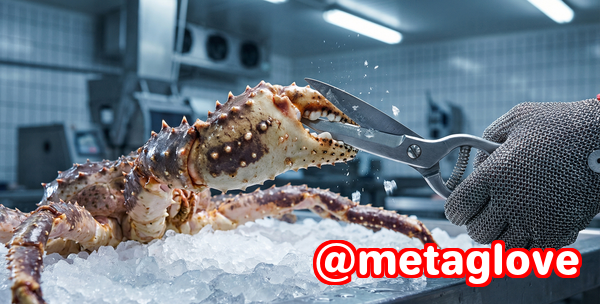
In this guide, I’ll walk you through how to identify quality chainmail, avoid the low-quality imitations, and make sure you’re investing in products that meet your needswhether it’s for work, cosplay, or your collection. Let’s dive into the essential steps to evaluating chainmail and why it matters.
Common Pain Points in Evaluating Chainmail Quality
Purchasing chainmail can be more complicated than it looks. When it comes down to it, the most common pain points buyers face include:
-
Identifying welded rings vs. open rings: This is a crucial factor. Open rings may look like the real thing, but they don’t offer the same strength or protection.
-
Choosing the right stainless steel grade: Not all stainless steel is the same. While 304 steel is often used in many products, 316 stainless steel is more resistant to corrosionsomething you’ll want if you’re working in a damp or industrial environment.
-
Weak or inconsistent weave patterns: Chainmail relies on its weave to provide structural integrity. A poor weave means a weaker overall product.
These issues can be tricky for new buyers, and understanding them requires a bit of knowledge. So how do you know which products are the real deal? Here’s how you can make sure your purchase is up to snuff.
Aegimesh Chainmail: Your Guide to Quality
At Aegimesh, we believe in empowering buyers with the tools and knowledge to evaluate chainmail before making a purchase. Our chainmail quality guide is designed for buyers, collectors, and professionals to identify high-quality, durable products that meet safety and performance standards. Here’s a breakdown of what you should look for when inspecting chainmail.
1. Inspect the Material: 304 vs 316 Stainless Steel
The first step to evaluating chainmail quality is understanding the material it’s made from. Stainless steel is the most common choice for durable, corrosion-resistant chainmail. But within that category, there are two main grades you should be aware of: 304 and 316.
-
304 stainless steel: This is the most common type of stainless steel and is generally resistant to rust. However, it doesn’t handle exposure to chemicals or saltwater very well, which can cause it to corrode over time.
-
316 stainless steel: This is a higher-grade stainless steel that includes molybdenum, making it far more resistant to corrosionespecially from salt, chemicals, and harsh environmental factors. If you’re purchasing chainmail for industrial use, food processing, or any work in corrosive environments, 316 stainless steel is your best bet.
2. Check for Welded Rings
Not all chainmail rings are the same. The most durable and functional chainmail will feature welded rings rather than open rings. Welded rings are fused at the edges, making them far stronger and more resistant to separation. Open rings, on the other hand, are simply loops of wire that are bent into shape and not welded shut, which weakens the overall structure.
To check the difference, take a look at the rings and feel their edges. If the rings are welded, you’ll feel a smooth, seamless surface. Open rings will have a noticeable gap or seam where the ends are bent together.
3. Evaluate the Wire Thickness and Ring Diameter
A high-quality chainmail product will have rings that are thick enough to withstand pressure without breaking or bending easily. Wire thickness is key to ensuring the durability of your chainmail. The thicker the wire, the stronger the chainmail will be, making it more effective at cutting or puncture protection.
Along with wire thickness, you should also check the inner diameter of the rings. If the diameter is too large or small, the rings might not interlock properly, which can lead to weak spots in the weave. Aim for a consistent ring diameter that matches the weave pattern to ensure a solid structure.
4. Inspect the Weave Pattern
The weave pattern is what holds the chainmail together. The most common and strongest pattern is European 4-in-1. This pattern consists of four rings interwoven into a single central ring, creating a strong, flexible structure. It’s commonly used in both historical replicas and modern protective gear.
If you’re not sure about the weave pattern, simply look closely at how the rings are linked together. A well-constructed European 4-in-1 weave should have a uniform appearance with no gaps or loose rings. If you spot any irregularities, this may indicate poor craftsmanship or weak links.
Practical Tips for Inspecting Chainmail Quality
Now that you know what to look for in terms of materials, welds, wire thickness, and weave patterns, here are a few more practical tips you can use when inspecting a piece of chainmail before buying:
-
Perform a pull test: Gently tug on a section of the chainmail. If the rings feel loose or the weave starts to separate, that’s a sign of poor craftsmanship.
-
Look for signs of corrosion: Stainless steel should remain rust-free unless exposed to extreme conditions. If you notice any discoloration, especially around the welds, this could be an indication of corrosion.
-
Check for irregularities in the pattern: Inconsistent or poorly aligned rings can cause the chainmail to tear under pressure, so always ensure the weave is uniform.
Why Proper Chainmail Inspection Matters
Taking the time to properly inspect chainmail will help you avoid making unsafe or unwise purchases. In an industrial or food-processing setting, faulty chainmail could leave you vulnerable to injury. In cosplay, you may find yourself dealing with broken links or an uncomfortable fit if you opt for cheap, poorly made chainmail.
By following these inspection tips, you can ensure that your chainmail meets the strength, durability, and safety standards required for its intended use. This will save you money in the long run by helping you identify low-quality products and avoid costly mistakes.
Conclusion: Make Informed Chainmail Purchases
At the end of the day, the best way to ensure you’re purchasing quality chainmail is by performing a careful inspection. Check the material, ensure the rings are welded, evaluate the wire thickness and ring diameter, and verify the weave pattern. These steps will ensure that any chainmail you purchase meets the durability and safety standards for your needswhether it’s for industrial use, cosplay, or display.
I highly recommend following these steps to make sure your chainmail purchase is both safe and durable. Doing so will save you time, money, and a lot of frustration.
Learn more about identifying high-quality chainmail products: Aegimesh Chainmail Guide
Check out our detailed chainmail inspection guide today.
FAQ
-
How can I tell if a chainmail ring is welded or open?
-
Gently feel the edges of the ring. Welded rings will have a smooth, seamless finish, while open rings will have a visible seam where the ends meet.
-
-
Which stainless steel grade is best for long-lasting chainmail?
-
316 stainless steel is the best choice for durability and corrosion resistance, especially for industrial or food-related applications.
-
-
How do I inspect the weave pattern for strength?
-
Look for a uniform, tightly interwoven pattern like European 4-in-1. The rings should be evenly spaced with no gaps.
-
-
What are the signs of low-quality or unsafe chainmail?
-
Look for weak rings, irregular weave patterns, loose connections, or signs of corrosion. These can compromise the effectiveness of the chainmail.
-
-
Can decorative chainmail be used for protective purposes?
-
While decorative chainmail looks great, it may not offer the same level of protection as industrial-grade chainmail. Always check the material and construction before using it for safety.
-
-
How do I choose the right chainmail for industrial vs cosplay use?
-
For industrial use, focus on durable, corrosion-resistant materials like 316 stainless steel and a strong weave pattern. For cosplay, comfort and aesthetics are important, but ensure the chainmail is still well-made and flexible.
-
-
What are the benefits of European 4-in-1 weave?
-
European 4-in-1 is one of the strongest and most versatile weave patterns, offering a good balance of flexibility and durability.
-
Tags or Keywords
-
chainmail quality
-
welded rings
-
stainless steel chainmail
-
cut-resistant chainmail
-
chainmail inspection
-
European 4-in-1 weave
-
chainmail durability