
Stainless Steel Chainmail for Enhanced Safety: What You Need to Know
When purchasing chainmail, whether for protection or display, I’ve often struggled with identifying what’s truly high-quality. It’s easy to be tempted by a shiny piece of metal at a seemingly great price, but how do you know it will actually hold up? Is it durable enough for heavy use or safe for industrial purposes? These are important questions that many buyers facequestions that can lead to frustration, wasted money, or worse, safety hazards.
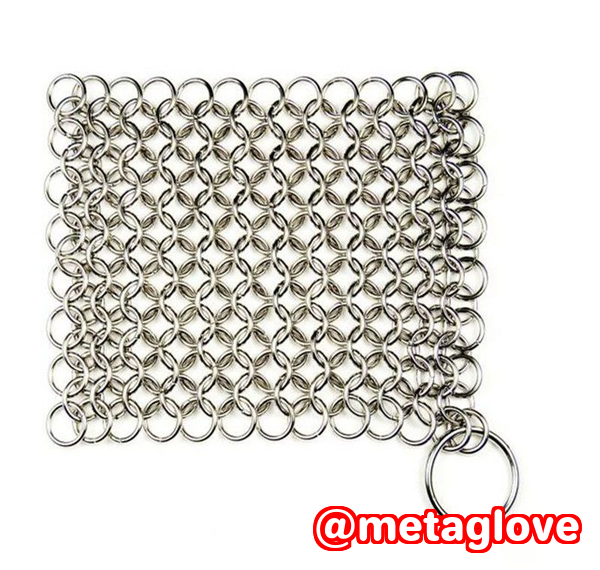
As a chainmail enthusiast or someone who relies on this material for protection, you must be able to spot the difference between well-made chainmail and subpar or unsafe products. In this post, I’ll guide you through how to evaluate the quality of stainless steel chainmail, specifically the kind that offers reliable protection for industrial, cosplay, or historical uses. With a little knowledge, you’ll be able to make confident, informed purchases.
Evaluating Chainmail: The Common Pitfalls
Many buyers face similar pain points when searching for high-quality chainmail. These pain points can range from not knowing how to identify authentic chainmail to falling victim to low-quality, unsafe designs. Let’s break down some of these common challenges:
-
Welded vs. Open Rings: One of the first things you’ll notice when shopping for chainmail is whether the rings are welded or open. Open rings may seem like a good deal, but they don’t offer the same durability as welded rings. Open rings can come undone, leaving the chainmail ineffective for protection.
-
Understanding Stainless Steel Grades: Not all stainless steel is created equal. When evaluating chainmail, you’ll likely come across two common grades: 304 and 316 stainless steel. The difference? 316 is more resistant to corrosion, making it ideal for industrial or food handling applications. But how can you tell the difference just by looking at the chainmail? It’s not always easy.
-
Weak or Inconsistent Weaves: Weave patterns are what give chainmail its strength. A common weave is the European 4-in-1 pattern, which provides a balance of flexibility and durability. However, if the weave is inconsistent or too loose, the chainmail won’t provide the level of protection you need.
These issues are not just theoreticalI’ve encountered them personally when buying chainmail in the past. By learning to spot the signs of low-quality materials or craftsmanship, you’ll be in a much better position to make smart, safe purchases.
The Solution: How to Inspect and Verify Chainmail Quality
At Aegimesh, we’ve put together a comprehensive guide to help you inspect and evaluate chainmail products before you buy. Below, I’ll walk you through the key factors to look for when assessing the quality of stainless steel chainmail. Let’s break it down:
1. Material Type: 304 vs. 316 Stainless Steel
The first thing you need to check is the material. Stainless steel is the backbone of chainmail, but not all stainless steel is made the same. If you’re purchasing chainmail for industrial or food processing uses, the 316 stainless steel grade is your best bet. It’s more resistant to corrosion, making it safer and longer-lasting for these demanding applications. Here’s how to tell:
-
304 Stainless Steel: More commonly used, but not as resistant to corrosion. This is great for decorative purposes or low-impact uses.
-
316 Stainless Steel: Offers superior resistance to corrosion, especially in harsh environments. It’s your best choice for industrial or food handling applications.
To identify the grade, ask the seller or check product specifications. High-quality chainmail will list the material grade clearly.
2. Welded Rings vs. Open Rings
This is one of the easiest ways to distinguish between high-quality and low-quality chainmail. High-quality chainmail uses welded rings, meaning each metal ring is securely fused shut, making the weave much more stable. Open rings, on the other hand, can separate and allow the chainmail to lose its structure.
Here’s a simple way to check:
-
Look at the rings: Welded rings will appear seamless, while open rings will have a visible gap where the ends meet.
-
Do a pull test: Gently pull on the chainmail at different points. If the rings are welded, they should hold strong. If they’re open, you may notice some slack or rings that start to pull apart.
3. Wire Thickness and Ring Diameter
The next thing you want to assess is the thickness of the wire and the inner diameter of the rings. A thicker wire and larger inner diameter are typically better for durability and protection.
-
Wire Thickness: A thicker wire generally means a more durable chainmail. For industrial uses, look for a minimum thickness of around 1.5mm for a strong, cut-resistant weave.
-
Inner Diameter: The inner diameter of the rings also plays a role in the strength of the chainmail. A diameter that is too small can make the chainmail inflexible, while one that’s too large may compromise its protective capabilities. For most applications, look for an inner diameter that’s about 6-9mm.
4. Weave Patterns (European 4-in-1)
The European 4-in-1 weave pattern is one of the most popular because it strikes a good balance between flexibility and protection. This pattern weaves four rings into one, creating a sturdy yet flexible design. However, not all weaves are created equal.
When inspecting the weave:
-
Look for consistent ring placement and tightness. A loose weave will not offer as much protection as a tighter weave.
-
Examine the symmetry. A well-made chainmail should look uniform and evenly spaced.
Why These Steps Matter: The Benefits of Proper Chainmail Inspection
Taking the time to inspect your chainmail can save you from future headaches. Here’s how these checks can help:
-
Avoiding Unsafe Purchases: A poorly made chainmail, especially one with open rings or thin wire, can easily fall apart, leaving you unprotected. If you’re using chainmail for industrial applications like food processing or cut-resistant gear, you don’t want to take any chances with low-quality products.
-
Ensuring Durability: By checking the material, ring welding, and weave, you ensure that the chainmail will last for years, no matter the use. Whether you’re looking for something for cosplay or historical reenactments, durability is a must.
-
Saving Money: Low-quality chainmail may be cheap up front, but it won’t last long. Spotting poor craftsmanship early ensures you don’t waste your money on items that won’t perform as expected.
Conclusion: Be Informed, Buy with Confidence
In my experience, following these steps to inspect and evaluate chainmail can make all the difference. Whether you’re using it for industrial protection, cosplay, or even historical replica displays, ensuring that your chainmail is made with quality materials and craftsmanship will guarantee its safety and longevity.
I highly recommend following these steps to make sure any chainmail purchase meets your safety and durability standards. The effort you put into inspecting your chainmail will pay off in the long runwhether you’re looking to protect yourself from cuts in an industrial environment or searching for that perfect piece for your cosplay.
Ready to dive deeper into how to identify top-quality chainmail? Learn more about identifying high-quality chainmail products and check out our detailed chainmail inspection guide today.
FAQs
1. How can I tell if a chainmail ring is welded or open?
A welded ring will appear seamless, with no visible gap where the ends meet. Open rings will show a noticeable split.
2. Which stainless steel grade is best for long-lasting chainmail?
For industrial use or food handling, 316 stainless steel is the best choice due to its superior resistance to corrosion.
3. How do I inspect the weave pattern for strength?
Look for tight, consistent placement of the rings. A loose or uneven weave will compromise the chainmail’s strength and durability.
4. What are the signs of low-quality or unsafe chainmail?
Signs of poor quality include open rings, inconsistent weave, thin wire, and signs of corrosion or rust.
5. Can decorative chainmail be used for protective purposes?
Decorative chainmail may look great but often lacks the durability and strength needed for protective use. Always check the material and weave if you need it for safety.
6. How do I choose the right chainmail for industrial vs. cosplay use?
For industrial purposes, focus on the material (316 stainless steel) and wire thickness. For cosplay, 304 stainless steel may suffice, but ensure the weave is consistent and the rings are welded for durability.
7. Can I use chainmail for food processing?
Yes, but make sure it’s made from 316 stainless steel for its resistance to corrosion and ability to withstand the rigors of food handling.
Tags:
chainmail quality, welded rings, stainless steel chainmail, cut-resistant chainmail, chainmail inspection, European 4-in-1 weave