
Ring Mesh vs. Chainmail for Combat Sports: Which Is Better?
When it comes to combat sports, especially those that involve a lot of physical contact or the use of weapons, safety is key. Many athletes and practitioners look for protective gear that will not only stand up to the wear and tear of training or competition but also ensure they’re safe from cuts, scrapes, and even more serious injuries. One of the most common materials used for protective gear is chainmail. However, there’s often a debate about whether traditional chainmail or modern ring mesh is the better option for combat sports.
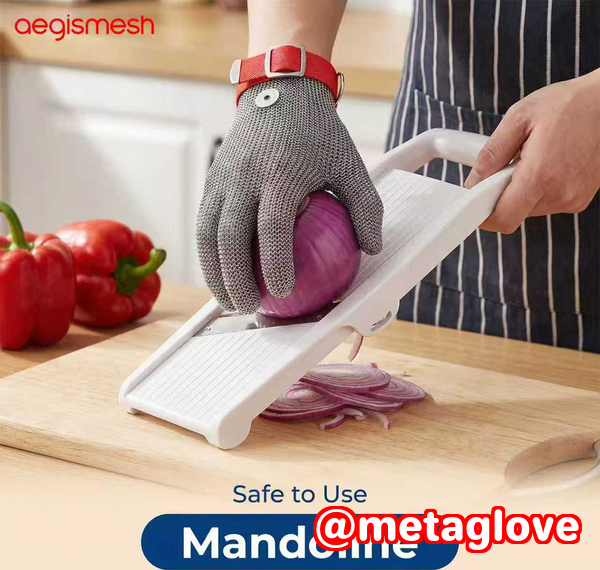
In this article, I’ll walk you through the differences between ring mesh and chainmail, what makes chainmail so effective, and how to ensure you’re choosing high-quality, durable products that are safe and reliable for your needs. Whether you’re a fighter, a collector, or someone involved in cosplay, this guide will help you make an informed decision.
A Real-Life Scenario: Choosing Chainmail for Safety
Imagine this: You’re preparing for an upcoming medieval reenactment event. You’ve spent weeks assembling your gear, including a chainmail hauberk for extra protection. However, when it arrives, it doesn’t look like the high-quality chainmail you were expecting. The rings are loose, the weave feels flimsy, and you’re not sure if it’ll protect you during a mock battle. You wonder, how can you tell whether this chainmail is genuinely safe and durable?
This scenario happens more often than you might think. Buyers frequently face challenges when evaluating the quality of chainmail, especially when distinguishing between authentic chainmail and low-quality imitations. But don’t worrythere are ways to assess chainmail and make sure you’re getting what you need.
The Difference Between Ring Mesh and Chainmail
Before diving into how to assess the quality of chainmail, let’s first clarify the difference between chainmail and ring mesh, especially for combat sports.
Chainmail is a type of armor made from small, interlinked metal rings. The rings are typically woven in a pattern like the European 4-in-1, which creates a durable and flexible structure that is both protective and relatively lightweight. Chainmail has been used for centuries and is known for its ability to disperse the force of a blow, making it effective against slashing attacks.
Ring mesh, on the other hand, is a modern alternative to traditional chainmail. It typically uses larger rings that are often welded together, creating a more uniform grid pattern. While it can be cheaper to produce and lighter in weight, ring mesh doesn’t always offer the same level of protection against impact or cutting as chainmail. This is one reason why, when it comes to combat sports, many professionals still prefer traditional chainmail for its superior durability and effectiveness.
So, which one is better for combat sports? The answer depends on your specific needs. For serious protection, chainmail is often the safer bet due to its proven durability. However, if you’re looking for lighter, more flexible options for non-combat situations like cosplay, ring mesh might suffice.
Pain Points When Evaluating Chainmail Quality
If you’re new to purchasing chainmail or you’re just looking for a higher-quality product, it can be overwhelming to figure out how to spot the differences between good and bad chainmail. Let’s explore some common pain points many buyers face:
1. Distinguishing Welded Rings from Open Rings
One of the first things you’ll need to check is whether the rings in the chainmail are welded or open. Welded rings are much more durable because they are sealed closed during manufacturing, which means they’re less likely to come apart over time. On the other hand, open rings are simply interlinked and can be weaker. You don’t want to purchase chainmail with open rings, especially if it’s intended for protective purposes.
2. Understanding Stainless Steel Grades
You might not know this, but not all stainless steel is created equal. The two most common grades of stainless steel used in chainmail are 304 and 316. While both offer good corrosion resistance, 316 stainless steel is much more durable and resistant to rust, especially in harsher environments like food processing or wet conditions.
3. Weak Weaves and Poor Durability
Another challenge is identifying weak weaves in chainmail. A poor weave pattern can compromise the entire structure of the chainmail, making it less effective at preventing cuts or damage. A common example is when a chainmail piece uses a cheaper weave pattern that’s not as tightly interlinked as it should be. This results in a weaker armor that may tear or bend under pressure.
How to Inspect and Evaluate Chainmail Quality
Now that you’re aware of some common pain points, let’s dive into how you can inspect chainmail to make sure you’re getting the best value for your money. Here’s a step-by-step guide to evaluating the quality of chainmail:
1. Material Type: 304 vs. 316 Stainless Steel
Start by checking the material of the chainmail. Stainless steel is a popular choice for chainmail due to its durability, corrosion resistance, and strength. However, you’ll want to confirm whether the chainmail uses 304 or 316 stainless steel. The latter, 316, is more resistant to rust and corrosion, making it ideal for outdoor or high-moisture environments.
2. Inspecting Ring Welding and Wire Thickness
Next, take a closer look at the rings themselves. Welded rings are far superior to open rings when it comes to durability. Run your finger along the rings to feel if there are any weak points where the weld might be compromised. The wire thickness is also important; it should feel robust, not flimsy or easy to bend. A thicker wire will provide better protection and last longer.
3. Measuring the Ring Diameter
The diameter of the rings also matters. Larger rings may be easier to work with but can sacrifice protection against cutting. Smaller rings are better for preventing cuts, but they also make the chainmail more rigid and heavier. For protection, the ideal balance lies in medium-sized rings.
4. Evaluating the Weave Pattern
The weave pattern is crucial for strength. European 4-in-1 is one of the most popular and effective weaves used in chainmail. It offers a good balance of flexibility and protection. The tighter the weave, the better the protection. Be sure to check that the rings are not loosely woven, as this weakens the structure.
5. Pull Test for Durability
To test durability, you can perform a simple pull test. Grasp a section of the chainmail and give it a gentle pull. If the rings feel like they’re coming loose or you notice any movement, that’s a red flag. Well-made chainmail should be tight and resistant to separation under pressure.
6. Corrosion and Craftsmanship
Corrosion can be a major concern, especially if you’re buying chainmail for food handling or industrial use. If you see any rust or signs of degradation, it’s likely a low-quality product. Good craftsmanship should also be evident in the overall finishsmooth, well-welded rings with no sharp edges.
Why These Inspection Methods Matter
By taking the time to carefully inspect chainmail, you’re ensuring that your purchase is safe, durable, and effective. Whether you’re purchasing chainmail for industrial use, cosplay, or even historical replicas, these steps will help you avoid low-quality products that could pose safety risks.
Properly inspected chainmail will offer you:
-
Protection against cuts or injuries during combat sports, industrial work, or food handling.
-
Durability that will stand the test of time, saving you money in the long run.
-
Peace of mind knowing you’re using gear that’s up to safety standards.
Conclusion: Make Sure Your Chainmail Is Up to Par
In conclusion, evaluating chainmail quality doesn’t have to be complicated. By following the steps outlined abovechecking the material, inspecting the rings, and evaluating the weave patternyou can avoid unsafe or low-quality chainmail and ensure that your gear meets the standards required for your needs.
If you’re looking for high-quality, durable chainmail, I highly recommend following these steps to ensure any chainmail purchase meets safety and durability standards.
Learn more about identifying high-quality chainmail products: Aegimesh Chainmail Inspection Guide
Check out our detailed chainmail inspection guide today.
FAQs
How can I tell if a chainmail ring is welded or open?
Look closely at the rings. Welded rings will have a small seam where the ends are fused together, while open rings will simply be interlinked.
Which stainless steel grade is best for long-lasting chainmail?
316 stainless steel is the best choice for durability and corrosion resistance, especially in high-moisture or industrial environments.
How do I inspect the weave pattern for strength?
Look for a tight, even weave. A European 4-in-1 weave offers a good balance of flexibility and protection, while loose weaves can compromise strength.
What are the signs of low-quality or unsafe chainmail?
Loose rings, weak welds, corrosion, and flimsy wire thickness are all signs of low-quality chainmail that may not provide adequate protection.
Can decorative chainmail be used for protective purposes?
While decorative chainmail can look good, it may not provide the level of protection needed for combat sports or industrial use. Always check for durability before purchasing.
How do I choose the right chainmail for industrial vs. cosplay use?
For industrial use, focus on durability, corrosion resistance, and tight weaves. For cosplay, weight and comfort may be more important, but you still want