
Ring Mesh Mesh Boning Aprons: The Future of Safety Gear
When you’re in the market for chainmail, whether for industrial protection, cosplay, or even historical re-enactment, it can feel overwhelming trying to decipher the quality of the products you’re considering. We’ve all been there staring at the options, unsure which one will actually do the job. Is that chainmail tough enough for industrial cut protection? Will it last through multiple cosplay conventions? Or, is it simply a decorative piece that’s destined to fall apart after a few uses?
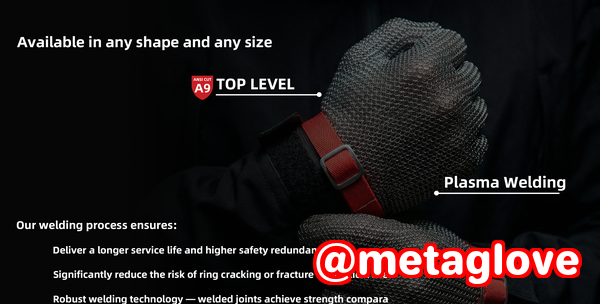
I’ve been in the same boat, and I know how crucial it is to make sure you’re investing in high-quality chainmail. After all, the wrong choice could cost you money or, worse, leave you unprotected. So let’s talk about how you can spot top-tier chainmail and avoid the cheap imitations that won’t stand the test of time.
Understanding Chainmail Quality: The Basics
Before diving into the inspection process, it’s important to understand what makes chainmail truly high-quality. Whether you’re in need of cut-resistant protection for industrial settings, a strong yet lightweight piece for cosplay, or a historically accurate replica, knowing what to look for is key. So, what are the core features that determine chainmail quality?
1. Material Type: Stainless Steel Matters
Not all metals are created equal, and when it comes to chainmail, choosing the right stainless steel is non-negotiable. Most high-quality chainmail is made from stainless steel, but not all grades are the same. The two most common grades used in chainmail are 304 and 316 stainless steel.
-
304 Stainless Steel is a general-purpose alloy known for its corrosion resistance and overall durability. It’s great for many applications, but it doesn’t stand up as well in extremely harsh environments.
-
316 Stainless Steel, on the other hand, is more resistant to corrosion, especially in high-moisture or acidic conditions. This makes it ideal for environments where the chainmail will be exposed to sweat, food, or even saltwater.
When you’re shopping for chainmail, ensure that it’s made from high-grade stainless steel. This will guarantee better longevity and performance, no matter the intended use.
2. Welded vs. Open Rings: Spotting the Difference
When inspecting chainmail, one of the first things to look for is whether the rings are welded or open. This is an easy yet vital distinction because welded rings provide much better durability and protection than open ones.
-
Welded Rings are strong because they are permanently fused together, ensuring that the links won’t come apart under pressure.
-
Open Rings are simply twisted and can eventually weaken over time, especially with heavy use.
To spot welded rings, carefully inspect the individual links. A welded ring will often have a small seam or a slightly flattened appearance where the ends of the wire meet, which is a sign of a strong and secure bond.
3. Wire Thickness and Ring Diameter: Important Indicators of Strength
The thickness of the wire used and the diameter of the rings are also essential factors in determining the quality of the chainmail. If the wire is too thin or the ring diameter is too large, the chainmail may not offer the cut-resistant protection you need. It’s always best to choose chainmail with thicker wire and appropriately sized rings. These two factors play a crucial role in the strength and durability of the final product.
How to Inspect Chainmail: Step-by-Step Guide
When I’m inspecting a piece of chainmail, I use a few simple techniques that can help me tell if I’m dealing with high-quality gear or a subpar imitation. Here are the steps I recommend:
1. Check the Material
Start by confirming that the chainmail is made from stainless steel. This will generally be stated in the product description, but it’s worth double-checking. If it’s not stainless steel, it’s likely to corrode over time, especially if exposed to moisture or sweat.
2. Examine the Rings
Carefully inspect the rings to see if they are welded or open. If you’re unsure, give the rings a gentle tug. If they are welded, they’ll stay secure. If they’re open, you might notice a small gap where the ends of the ring meet.
3. Assess the Wire Thickness
Take a close look at the wire thickness. If the wire looks too thin or flimsy, it could indicate a lower-quality product. For industrial or cut-resistant chainmail, look for wire that’s at least 1mm thick, with a strong, sturdy appearance.
4. Inspect the Weave Pattern
High-quality chainmail often uses a specific weave pattern known as European 4-in-1. This pattern is commonly used because it provides optimal protection and flexibility. Inspect the weave to ensure it is consistent throughout the entire piece, with no irregularities or gaps between the rings.
5. Perform a Pull Test
If you want to get a better sense of how strong the chainmail is, gently tug at the individual rings to see if they hold up. A strong, well-made chainmail will resist any significant movement or stretching. If the rings slip apart easily, that’s a red flag.
6. Look for Signs of Corrosion
Corrosion is the enemy of chainmail, so always check for any rust or discoloration. Even minor rust spots can compromise the protective ability of the chainmail, so make sure the material is in top condition.
Why Chainmail Quality Matters
Whether you’re buying chainmail for cosplay, historical reenactments, or industrial use, investing in a high-quality product is critical. Not only will quality chainmail last longer, but it can also save you money in the long run. Low-quality chainmail might seem cheaper initially, but it will wear out quickly, requiring more frequent replacements. Worse, it may not provide the protection you need.
If you’re buying chainmail for an industrial or food-processing setting, quality is a matter of safety. The last thing you want is to rely on chainmail that’s weak or poorly crafted, especially when working with sharp objects or handling food. For cosplay or decorative purposes, you want to ensure your chainmail looks realistic and stands up to the wear and tear of conventions and photoshoots.
Conclusion: Make an Informed Choice
After learning how to spot the signs of high-quality chainmail, I highly recommend following these steps to ensure any chainmail purchase meets safety and durability standards. Whether you’re using it for work or play, chainmail should provide both protection and longevity. Don’t fall for low-quality imitations that could end up costing you more in the long run.
To make your buying process even easier, I encourage you to check out our detailed chainmail inspection guide and learn more about identifying top-tier chainmail products. Visit Aegimesh.com for more information!
FAQ
-
How can I tell if a chainmail ring is welded or open?
-
Check for a small seam where the ring ends meet. A welded ring will have this fused seam, while an open ring will have a visible gap.
-
-
Which stainless steel grade is best for long-lasting chainmail?
-
316 stainless steel is the best choice for long-lasting chainmail, particularly for high-moisture environments or industrial use.
-
-
How do I inspect the weave pattern for strength?
-
Look for a consistent weave like European 4-in-1, which is known for its strength and durability.
-
-
What are the signs of low-quality or unsafe chainmail?
-
Signs include weak welds, thin wire, uneven ring sizes, and visible rust or corrosion.
-
-
Can decorative chainmail be used for protective purposes?
-
Decorative chainmail may not be suitable for protective purposes, as it often uses weaker materials or open rings.
-
-
How do I choose the right chainmail for industrial vs cosplay use?
-
For industrial use, opt for welded rings, thicker wire, and 316 stainless steel. For cosplay, look for durability and authenticity, but lighter, less costly options may suffice.
-
Tags or Keywords
-
chainmail quality, welded rings, stainless steel chainmail, cut-resistant chainmail, chainmail inspection, European 4-in-1 weave, steel metal chainmail durability