
How Stainless Steel Chainmail Protects Workers in Hazardous Industries
When working in hazardous environments, safety is always a priority. For workers in industries like food processing, construction, and even cosplay enthusiasts who need durable, protective gear, choosing the right materials for safety is crucial. But how can you be sure that the chainmail you purchase offers the protection it promises? This is where the quality of the chainmail makes all the difference. Whether you’re buying chainmail for industrial cut protection, cosplay armor, or historical reenactments, understanding the essential features of high-quality chainmail can save you time, money, and, most importantly, keep you safe.
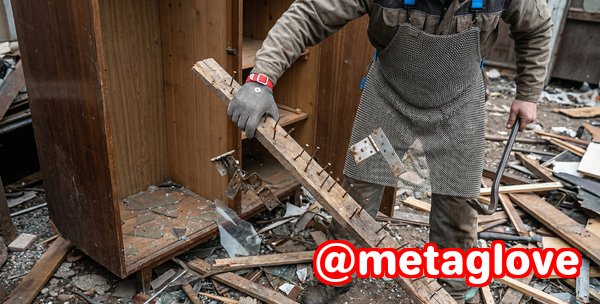
A Real-Life Concern: Protecting Workers in Hazardous Environments
I remember a conversation I had with a client in the food processing industry, who needed to buy chainmail gloves for their workers. They explained that while chainmail was an obvious choice for protection against sharp knives, they often found it difficult to identify high-quality products. Many of the gloves they had purchased seemed to wear out too quickly, and some even broke mid-shift, leaving workers exposed to injuries.
The problem they faced is common: when it comes to chainmail, how do you distinguish a high-quality product from one that’s more about looks than protection? Unfortunately, the market is full of low-quality, decorative chainmail that might look great but isn’t up to the task of protecting workers in hazardous industries.
So, how do you avoid buying subpar chainmail and ensure you’re getting a product that offers real protection?
The Chainmail Evaluation Process: A Step-by-Step Guide to Avoiding Low-Quality Products
When it comes to industrial and protective chainmail, several factors determine its quality, and they go beyond just looking at the overall design or price. Here are the key aspects you need to inspect to ensure you’re buying chainmail that can stand up to the wear and tear of everyday work in hazardous environments.
-
Material Quality: Stainless Steel Makes a Difference
The first step in evaluating chainmail is to understand the material it’s made from. When it comes to durability, you’ll want to look for high-quality stainless steel chainmail. The two most common types used in industrial and protective settings are 304 and 316 stainless steel.
-
304 Stainless Steel: This is a more affordable option, providing decent corrosion resistance and strength for general use.
-
316 Stainless Steel: This grade is more corrosion-resistant and holds up better in high-moisture or high-saline environments. It’s an ideal choice for food processing or marine applications where exposure to moisture is constant.
When choosing chainmail, always ask the seller about the type of stainless steel used. The right grade ensures your chainmail is both durable and long-lasting.
-
-
Welded vs. Open Rings: Spotting the Difference
One of the most common mistakes buyers make is confusing welded rings with open rings. While both can be used in chainmail construction, welded rings offer superior strength and durability. Open rings, on the other hand, can break apart under stress, which is a serious concern in any hazardous environment.
-
Welded Rings: These rings are fused shut, providing a much stronger connection. They’re less likely to come undone, which is critical for safety gear.
-
Open Rings: These are simply threaded together and can easily separate under pressure, rendering the chainmail ineffective.
To check for welded rings, gently pull on a single link. If the ring separates, it’s open. If it holds firm, it’s welded.
-
-
Wire Thickness and Ring Diameter
Another critical factor is the wire thickness. Thicker wires create stronger, more resistant chainmail. Likewise, the diameter of the rings plays a significant role in the overall strength. Too small of a diameter means weaker weave patterns, which could break or stretch under pressure.
When inspecting the chainmail, check that the wire thickness matches the intended use. If you’re purchasing chainmail for protection against sharp tools, like in the food industry, you need thicker wire to ensure it won’t break easily.
-
Ideal Thickness: A wire thickness of at least 1.5mm is recommended for industrial protection. Any thinner, and you risk compromising safety.
-
-
Weave Patterns: Understanding European 4-in-1
The weave pattern used in a chainmail product affects both its strength and its flexibility. The most common and effective weave for industrial protection is the European 4-in-1 pattern, where each ring is connected to four others. This creates a sturdy but flexible fabric that can withstand cuts and abrasions.
-
European 4-in-1 Weave: This pattern provides a solid interlocking structure, ensuring that the chainmail can absorb force without breaking apart. It’s a must-have for high-quality protective chainmail.
-
Other Weave Patterns: While there are other patterns used for decorative purposes, they might not offer the same durability and protection needed for industrial use.
To evaluate the weave, run your fingers along the surface. A well-made European 4-in-1 weave should feel smooth and evenly spaced. Any irregularities or loose rings might indicate poor craftsmanship.
-
-
Pull Test: Testing Durability
To truly test the durability of a chainmail product, a simple pull test can be invaluable. Grasp the chainmail and give it a firm tug. A high-quality product should not stretch or tear easily. If it does, the rings might be too thin, or the weave could be improperly constructed.
-
Safe Pull Test: Give the chainmail a strong tug in a few places. If it doesn’t deform or come apart, you’ve got a solid piece of protective gear.
-
Warning Signs: If the chainmail feels flimsy or weak after pulling, it could be an indication of low-quality materials or manufacturing.
-
Why Chainmail Quality Matters: Protecting Workers, Saving Money, and More
Investing in high-quality chainmail isn’t just about durability; it’s also about ensuring the safety of those who rely on it. For workers in dangerous industries like food processing or construction, subpar chainmail could lead to serious injuries. Similarly, choosing low-quality chainmail for cosplay or display pieces may result in weak armor that falls apart over time.
By following the above steps for inspecting chainmail, you can:
-
Ensure Safety: Avoid purchasing low-quality chainmail that can’t stand up to hazards, keeping workers safe from cuts and abrasions.
-
Save Money: High-quality chainmail may cost more upfront, but it lasts longer and performs better, saving you money in the long run.
-
Avoid Poor Craftsmanship: No more wasted purchases on products that look good but fail to deliver on their promises.
Conclusion: Be Informed, Buy with Confidence
When buying chainmail, especially for protection in hazardous environments, it’s important to look beyond the aesthetics. Make sure you’re getting a product made with durable materials, properly welded rings, strong wire thickness, and a robust European 4-in-1 weave. By using the inspection methods outlined here, you can make confident, informed purchases that will protect your workers, save money, and ensure your chainmail stands up to the test.
Learn more about identifying high-quality chainmail products: Aegimesh Chainmail Inspection Guide
Check out our detailed chainmail inspection guide today to make sure your next purchase meets safety and durability standards.
Frequently Asked Questions
-
How can I tell if a chainmail ring is welded or open?
Check by gently pulling on a link. If the ring separates, it’s open. If it stays intact, it’s welded.
-
Which stainless steel grade is best for long-lasting chainmail?
For the best durability, especially in high-moisture environments, choose 316 stainless steel. It offers superior corrosion resistance.
-
How do I inspect the weave pattern for strength?
Run your fingers along the surface. A solid European 4-in-1 weave should feel smooth and even, with tightly interwoven rings.
-
What are the signs of low-quality or unsafe chainmail?
Look for weak rings, inconsistent weaves, and thin wires. Also, check for rust or signs of corrosion in stainless steel.
-
Can decorative chainmail be used for protective purposes?
While decorative chainmail looks great, it often lacks the durability and strength needed for industrial or safety purposes.
-
How do I choose the right chainmail for industrial vs cosplay use?
For industrial uses, look for welded rings, thicker wire, and a European 4-in-1 weave. For cosplay, you can opt for lighter, more decorative options.
Tags:
chainmail quality, welded rings, stainless steel chainmail, cut-resistant chainmail, chainmail inspection, European 4-in-1 weave