
How Cut-Resistant Stainless Steel Chainmail Enhances Worker Safety
When it comes to protecting workers in high-risk environments, one of the most trusted and historically proven methods is the use of cut-resistant chainmail. From industrial factories to food processing plants, and even cosplay enthusiasts, everyone needs chainmail that can provide true protection without compromising on comfort or durability. However, with so many chainmail options available today, how can you be sure that you’re buying the right product? How can you tell whether you’re getting high-quality, cut-resistant stainless steel chainmail or something that’s simply decorative?
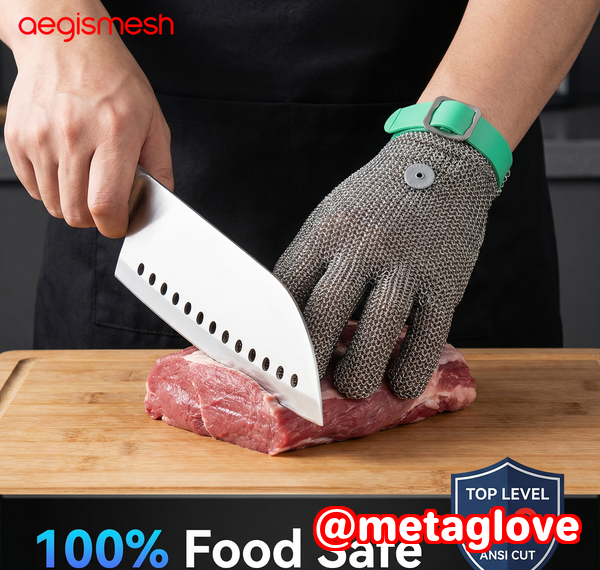
This is a question I often hear from buyers, industrial users, collectors, and even cosplayers. The reality is, chainmail isn’t just a piece of armor or a costume accessory; for certain applications, like food processing or industrial safety, it can be a lifesaver. But, how do you make sure that the chainmail you’re investing in is of the highest quality? In this guide, I’ll walk you through how to evaluate chainmail for strength, durability, and safety, and offer practical tips to help you avoid making costly mistakes when purchasing.
Understanding Chainmail Quality
Chainmail is designed to be a protective material made from interlocking rings of metal, typically stainless steel. However, not all chainmail is created equal, especially when it comes to functionality like cut resistance or overall durability. The key to ensuring you’re buying a high-quality product is in knowing exactly what to look for during inspection.
Common Pain Points When Evaluating Chainmail
As someone who’s spent a lot of time looking at various chainmail products, I can tell you that many buyers struggle with the following common pain points:
-
Distinguishing Welded Rings from Open Rings
One of the first things you need to check is whether the rings are welded or open. Welded rings offer a much stronger and more secure connection, which is essential for the durability of the chainmail. Open rings, on the other hand, are prone to coming apart over time, especially under heavy use. If you’re buying chainmail for industrial use or cut resistance, the last thing you want is a piece of armor that falls apart after a few uses.
-
Understanding Stainless Steel Grades
Not all stainless steel is made equal, and for chainmail, the grade of stainless steel used is critical. While many manufacturers may use lower-grade steel to cut costs, high-quality chainmail should be made from 304 or 316 stainless steel. These grades offer excellent corrosion resistance and long-term durability, making them ideal for protective uses. Not all chainmail sellers will make this distinction clear, which is why it’s important to ask the right questions.
-
Weave Strength and Consistency
When inspecting chainmail, the weave pattern is another critical factor. A poor or inconsistent weave can lead to weak spots, reducing the overall strength and effectiveness of the chainmail. The most common and reliable pattern for industrial use is the European 4-in-1 weave. This weave ensures maximum strength and protection by interlocking each ring with four others, creating a sturdy and resilient structure.
These are just a few of the pain points, but fortunately, they all have solutions. With a few simple inspection methods, you can easily evaluate chainmail products and make sure you’re getting the best quality for your money.
The Importance of Quality Chainmail for Worker Safety
Now that we’ve touched on some of the common issues, let’s dive into why chainmail quality is so important for worker safety. Whether you are in a high-risk industrial environment, processing food, or even participating in cosplay or historical reenactments, you need chainmail that provides both protection and reliability.
In industrial settings, cut-resistant chainmail is a vital component of worker safety. Workers dealing with sharp tools or machinery can face serious injury without the right protective gear. But, here’s the kicker: low-quality chainmail won’t perform as expected. A weak weave, poor ring welds, or subpar stainless steel could easily lead to cuts, lacerations, and accidents that could have been avoided.
In food processing, chainmail gloves or aprons are often used to prevent injury while handling sharp knives and slicers. When inspecting these products, the safety of the worker depends on both the quality of the material and the ring connections. Imagine a worker reaching into a slicer wearing substandard chainmail that frays or failsit’s a safety hazard.
For cosplay and historical replicas, while protection isn’t always the primary concern, durability still plays a huge role. Weak or poorly made chainmail can quickly deteriorate, leaving you with a costume that’s not only impractical but also disappointing.
How to Inspect and Verify Chainmail Quality
So, how do you inspect chainmail for quality? Here’s a step-by-step guide to help you evaluate its durability and suitability for your intended purpose.
1. Inspect the Material: 304 vs 316 Stainless Steel
The first thing you need to check is the type of stainless steel used. Most high-quality chainmail is made from either 304 stainless steel or 316 stainless steel. Both offer excellent corrosion resistance, but 316 is even more resistant to harsh environments like saltwater or chemicals, making it a top choice for food processing or marine environments.
-
304 Stainless Steel: A versatile and durable material that’s widely used in industrial applications.
-
316 Stainless Steel: Offers superior corrosion resistance, making it ideal for harsh conditions.
Ask the seller about the steel grade used in the chainmail. If they don’t know or can’t provide specifics, that’s a red flag.
2. Check Ring Welding and Thickness
Welded rings are the hallmark of durable and long-lasting chainmail. Welds create a solid, permanent connection between the rings, ensuring the chainmail stays intact even under stress.
-
Welded rings are stronger and more secure than open rings, which are simply bent and can come apart under pressure.
-
Wire thickness also mattersthicker wire means greater durability and resistance to cutting. Thinner wire might be fine for decorative pieces, but for industrial use, you want to make sure you’re getting a thick, sturdy wire.
Perform a quick pull test to see if the rings feel secure. If any rings are loose or start to separate, that’s an indication of poor craftsmanship.
3. Inspect the Weave Pattern: European 4-in-1
One of the most reliable and strong weave patterns for chainmail is the European 4-in-1 pattern. In this weave, each ring is connected to four others, creating a dense, interlocked structure. This design maximizes strength and flexibility, offering better protection against cuts.
-
A high-quality weave should feel firm but flexible.
-
Check the consistency of the pattern. Irregular weaves or poorly aligned rings can reduce the overall strength of the chainmail.
4. Look for Signs of Corrosion or Rust
The last thing you want is chainmail that rusts or corrodes after a few uses. Regularly inspect the product for signs of rust or corrosion. Even stainless steel can show signs of wear over time, especially if it wasn’t properly treated or maintained. This is particularly important for food-handling or industrial chainmail, where rust could pose a health hazard.
Practical Tips for Buyers
Here are a few additional tips to help you make an informed decision:
-
Perform a pull test: Gently pull a section of the chainmail to see if it holds together under pressure.
-
Check for manufacturer certifications: If you’re purchasing chainmail for industrial or food safety purposes, check if the manufacturer offers certifications or meets specific safety standards.
-
Ask about warranty or return policies: A good-quality chainmail product should come with a warranty or return policy, giving you peace of mind in case there’s an issue with quality.
Conclusion: Why Quality Chainmail Matters
By following these simple inspection methods, you can ensure that the chainmail you purchase will provide the protection and durability you need. Whether for worker safety, food processing, cosplay, or historical reenactments, quality mattersdon’t settle for low-quality imitations.
I highly recommend following these steps to ensure any chainmail purchase meets safety and durability standards. By inspecting the material, welding, thickness, and weave pattern, you’ll not only protect your investment but also ensure safety and reliability.
If you’re looking for a reliable guide to help you evaluate chainmail, check out Aegimesh Chainmail. We provide comprehensive tools and tips to help you identify top-quality chainmail for any purpose.
Learn more about identifying high-quality chainmail products: Aegimesh Chainmail.
Check out our detailed chainmail inspection guide today.
FAQ
-
How can I tell if a chainmail ring is welded or open?
Look for a visible seam where the ends of the ring meet. If you see a solid, fused seam, it’s welded. Open rings are simply bent and will have a visible gap.
-
Which stainless steel grade is best for long-lasting chainmail?
For maximum durability and corrosion resistance, 316 stainless steel is ideal. For most industrial applications, 304 stainless steel is a great choice.
-
How do I inspect the weave pattern for strength?
Ensure the rings are consistently interlocked, particularly in the European 4-in-1 pattern. The weave should be firm with no irregularities.
-
What are the signs of low-quality or unsafe chainmail?
Look for loose rings, weak welds, inconsistent weaving, rust, or poor material. These can all indicate subpar craftsmanship.
-
Can decorative chainmail be used for protective purposes?
Decorative chainmail is generally weaker and shouldn’t