
Cut-Resistant Stainless Steel Chainmail: Unmatched Protection for Every Worker
When it comes to choosing the right chainmail, whether for industrial use, food processing, cosplay, or as a collector’s piece, the quality of the product is everything. If you’re like me, you may have found it difficult to distinguish between high-quality chainmail and cheaper imitations. Many buyers, especially those unfamiliar with the material, often wonder: “How can I ensure that my chainmail is truly durable and safe?” This is a question I asked myself when I first started looking for chainmail protection, and I’m sure many of you have faced similar doubts. But with the right knowledge and inspection tools, distinguishing genuine, high-quality chainmail from inferior versions is easier than you think.
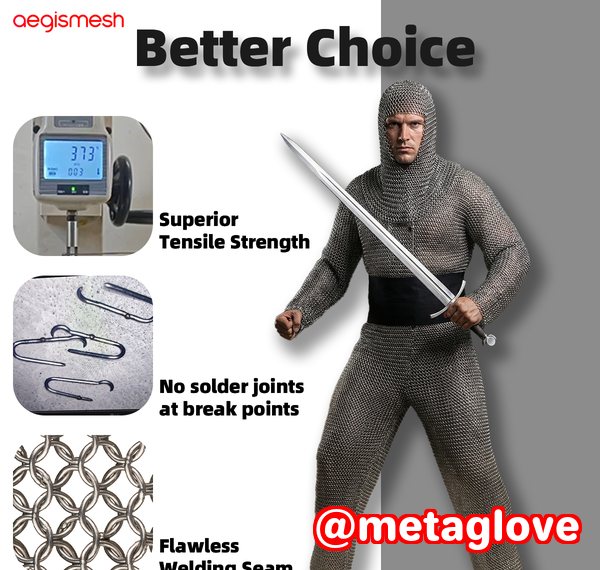
Understanding the Problem: Why Quality Matters
In my experience, many buyers, from industrial users to cosplay enthusiasts, often make the mistake of assuming all chainmail is created equal. Some look for “chainmail” that simply looks the part but lack the durability needed for protection. Others may be lured by cheap prices, only to find out later that their purchase can’t stand up to real-world wear and tear.
Consider this real-world scenario: You’re purchasing chainmail for food processing. The goal is to protect your hands while cutting meat or working with sharp tools. However, if the rings aren’t welded properly, or if the weave pattern isn’t tight enough, you could end up with cuts through the material, which defeats the purpose of the protective gear.
This is where understanding chainmail quality comes into play. Whether you’re buying for safety or aesthetics, knowing what to look for can save you time, money, and even prevent serious safety risks.
Common Pain Points When Buying Chainmail
If you’ve shopped around for chainmail, you’ve probably run into a few problems. Here are some of the most common challenges I’ve encountered (and many of you likely have as well):
-
Welded Rings vs Open Rings: One of the first things that’s difficult for many people is telling the difference between welded and open rings. Open rings may seem fine at first glance, but they’re far less durable and can easily break, leading to weak spots in your chainmail. A welded ring, on the other hand, is fused shut, offering greater strength and durability.
-
Stainless Steel Quality: Not all stainless steel is created equal. You’ll typically encounter two main grades of stainless steel for chainmail: 304 and 316. While 304 is good for most purposes, 316 stainless steel offers superior corrosion resistance, making it ideal for food handling or industrial use. The challenge here is understanding which grade you need for your specific application.
-
Weak or Inconsistent Weave Patterns: The weave pattern is what gives chainmail its strength. A common weave, like European 4-in-1, is strong and reliable. But some manufacturers may use a less consistent weave, which can weaken the structure and compromise its protective qualities. This is often something buyers overlook, but it’s essential to know how to inspect the pattern to ensure it’s up to standard.
How to Evaluate the Quality of Chainmail
Now that we know some of the most common problems, let’s talk about how to avoid them. Here’s where Aegimesh Chainmail can help, as we offer a detailed guide to help you evaluate the true quality of chainmail. From inspecting the type of material to checking the weave pattern, we break down the essential steps so you can make an informed choice.
1. Check the Material Type
When buying chainmail, the first thing to check is the material. Is it made from 304 stainless steel or 316 stainless steel? The difference is important.
-
304 Stainless Steel: Ideal for most general-use applications. It’s corrosion-resistant, but not as much as 316.
-
316 Stainless Steel: This is the best choice if you’re working in food processing or environments that involve exposure to chemicals or high moisture. It’s much more resistant to corrosion, which extends the longevity of the chainmail.
Make sure to ask the seller about the grade of stainless steel used in the product. If they can’t answer, that’s a red flag.
2. Inspect the Ring Welding
Welded rings are crucial for strength and durability. To check whether the rings are welded, try the simple “pull test”: take a ring between your fingers and gently pull. If it opens up or shows signs of wear, it’s not welded properly. A proper welded ring should not open under stress.
Additionally, check the thickness of the wire used in the chainmail. Thicker wires are typically stronger, offering better protection. However, be mindful of the inner diameter of the rings. If the rings are too small or too large for the wire thickness, the chainmail may not offer the best protection.
3. Inspect the Weave Pattern
One of the strongest and most common weaves is the European 4-in-1 weave. This pattern involves four rings passing through one central ring, creating a tight, interwoven structure. The tighter the weave, the stronger the chainmail will be. To inspect the weave, look for:
-
Consistency: Are the rings uniformly arranged? If the weave appears uneven or loose, it may affect the strength.
-
Tightness: The rings should be tightly interwoven, not allowing gaps or loose spots.
A strong, consistent weave means the chainmail will be more durable and provide better protection.
Practical Tips to Identify High-Quality Chainmail
Here are a few additional tips I’ve found helpful when inspecting chainmail before making a purchase:
-
Corrosion: Inspect the chainmail for signs of rust or discoloration. This is particularly important for food-processing chainmail, as rust can contaminate food.
-
Pull Test: As mentioned, gently tug on a few rings to ensure they’re welded properly. If a ring pops open, it’s time to move on.
-
Durability: For industrial use, durability is key. Check if the chainmail feels substantial and strong. Weak or flimsy chainmail won’t hold up over time, especially when exposed to sharp objects or heavy stress.
-
Weight: High-quality chainmail often feels heavier. This is because it’s made with thicker wire and welded rings that provide durability and strength.
Conclusion: Make the Right Choice for Your Needs
To sum up, the key to purchasing high-quality chainmail lies in inspecting the material, the welding of the rings, the wire thickness, and the consistency of the weave. I highly recommend following these steps to ensure any chainmail purchase meets safety and durability standards. By doing so, you’ll avoid wasting money on subpar products and ensure your chainmail performs as expected for years to come.
If you’re ready to invest in chainmail that truly offers the protection and durability you need, I suggest checking out Aegimesh’s detailed chainmail inspection guide. Whether you’re a worker in need of cut-resistant protection or a cosplayer looking for authentic replicas, you’ll find valuable resources to help you make the right choice.
FAQs
-
How can I tell if a chainmail ring is welded or open?
Simply perform a pull test. If the ring opens under pressure, it’s not welded. Welded rings should stay intact.
-
Which stainless steel grade is best for long-lasting chainmail?
For most uses, 304 stainless steel is sufficient. However, for food handling or areas with exposure to moisture or chemicals, 316 stainless steel is a better choice due to its superior corrosion resistance.
-
How do I inspect the weave pattern for strength?
Look for a consistent, tight European 4-in-1 weave. Gaps or uneven rings may indicate poor craftsmanship and reduced strength.
-
What are the signs of low-quality or unsafe chainmail?
Signs include rust, loose rings, uneven weaves, and low-grade materials. If the chainmail feels flimsy or lacks durability, it may be of low quality.
-
Can decorative chainmail be used for protective purposes?
While decorative chainmail may look nice, it’s often made with thinner wire or poorly welded rings, making it unsuitable for protective purposes.
-
How do I choose the right chainmail for industrial vs cosplay use?
For industrial use, prioritize durability and cut resistance, opting for thicker wire and a consistent weave. For cosplay, aesthetic and historical accuracy may be more important, though ensure the material is still of reasonable quality.
-
How can I save money when buying chainmail?
By learning how to inspect for quality, you can avoid purchasing low-quality chainmail that might need to be replaced sooner, saving you money in the long run.
Tags or Keywords
chainmail quality, welded rings, stainless steel chainmail, cut-resistant chainmail, chainmail inspection, European 4-in-1 weave