
Cut-Resistant Stainless Steel Chainmail Protection That Lasts
When purchasing chainmail for protection, display, or cosplay, it’s easy to feel overwhelmed by the variety of options available. I’ve lost count of how many times I’ve seen buyers struggle to differentiate between high-quality, durable chainmail and cheaper, poorly made versions that fall apart at the first sign of use. Whether you’re in need of industrial-grade cut protection or a stunning historical replica for your collection, knowing how to evaluate chainmail quality is essential. Let’s walk through how to spot the differences and make sure you’re investing in top-notch protection that lasts.
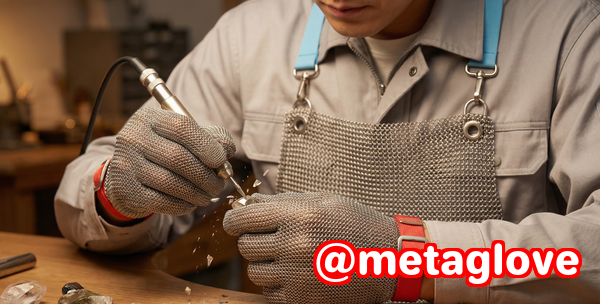
Understanding the Struggles of Choosing Chainmail
Imagine this: You’ve just secured a new chainmail vest for your food processing job, believing you’re protected from cuts and abrasions. But after just a few uses, you notice the rings are separating, and some areas are starting to corrode. What went wrong? Or, picture this: you’ve bought a beautiful set of chainmail for cosplay, only to find it too flimsy for wear at conventions. It doesn’t hold up to the rigors of constant use and looks nothing like the sturdy, authentic pieces you were expecting.
If these scenarios sound familiar, you’re not alone. Chainmail quality varies significantly, and it’s easy to be duped into purchasing a subpar product. In this guide, I’m going to show you how to inspect chainmail before you make a purchasewhether you need it for industrial safety, cosplay, or historical reenactments.
Common Pain Points When Evaluating Chainmail
1. Identifying the Type of Ring Used (Welded vs. Open Rings)
One of the biggest headaches when choosing chainmail is figuring out whether the rings are welded or open. Open rings are prone to opening under pressure, reducing the protective ability of the chainmail, while welded rings are far more durable and secure. For most professional uses, such as industrial or food processing, welded rings are essential to ensure your protection lasts.
2. Understanding Stainless Steel Grades
You might hear terms like “304 stainless steel” or “316 stainless steel” thrown around. What does it all mean? To put it simply, the higher the grade, the more resistant the steel is to corrosion and wear. The last thing you want is to buy a chainmail suit that corrodes quickly in harsh environments, so it’s crucial to know which grade is right for your needs.
3. Weave Patterns and Durability
The weave pattern can affect the strength of the chainmail. For example, the European 4-in-1 weave is one of the most durable and popular choices for both decorative and protective chainmail. A weak or inconsistent weave may lead to gaps or breakage under pressure, compromising the protective function.
How to Inspect and Verify Chainmail Quality
Now, let’s get to the good stuff: the inspection methods. If you’re a buyer, collector, or industrial user, it’s essential to know how to evaluate a chainmail product thoroughly. Here’s a breakdown of key elements to check before making a decision.
1. Material Check: Stainless Steel Grades (304 vs. 316)
The first thing to look at is the type of stainless steel used. You’ll often see two main grades in chainmail products: 304 stainless steel and 316 stainless steel. Both offer excellent durability, but 316 stainless steel is superior in terms of corrosion resistance. If you’re buying chainmail for use in food processing or other industrial environments, 316 is a better choice. For cosplay or decorative purposes, 304 will likely suffice, but 316 offers better long-term durability if you want it to last through multiple events.
2. Inspecting the Ring Welding (Welded vs. Open Rings)
When inspecting chainmail, always look at the rings. High-quality chainmail should have welded rings, which are permanently fused together and are much less likely to separate over time. You can check for welds by lightly pulling on the rings. If they separate or have visible gaps, you’ve got an open-ring chainmail, which can be a red flag. Open rings are common in cheaper chainmail products and are a serious safety concern for industrial and food-processing environments.
3. Ring Thickness and Diameter
The wire thickness and inner diameter of the rings play a major role in the durability and functionality of the chainmail. Generally speaking, thicker wire and smaller inner diameters increase strength. If you’re unsure, simply give the rings a little tug. Stronger rings will feel solid, while thinner rings may bend or flex too easily. Additionally, look at the overall consistency of the ringsuneven or misshapen rings can weaken the structure.
4. Weave Patterns
The weave pattern is a huge factor in how sturdy your chainmail will be. The European 4-in-1 weave is a classic choice that balances strength and flexibility. It’s used in many industrial, historical, and cosplay chainmail products due to its reliability. When inspecting the weave, check for uniformity. Gaps, loose rings, or inconsistent patterns are signs that the weave is poorly made, which means the chainmail may not offer the protection or durability you’re looking for.
5. The Pull Test
Here’s a simple test you can do to check the strength of the chainmail: the pull test. Hold a section of the chainmail in both hands and pull it apart slightly. A high-quality piece should resist stretching and should feel firm and sturdy. If the rings stretch or bend too easily, or if the weave feels weak, you may want to reconsider your purchase.
6. Corrosion Signs
While stainless steel is highly resistant to rust, it’s not immune. Check for any visible corrosion or pitting. Corrosion is especially common with lower-grade materials, or when chainmail is exposed to harsh environments like saltwater or high humidity. If you see any signs of rust or degradation, it’s a red flag that the material isn’t up to standard.
Why Chainmail Inspection Matters
Properly inspecting your chainmail before purchase has multiple benefits. First and foremost, it ensures safety. If you’re buying chainmail for industrial purposes or food processing, you need it to perform at its best. Low-quality chainmail can lead to injury, whether by allowing cuts through weak rings or causing discomfort due to poor craftsmanship.
Second, you’ll save money in the long run. Chainmail is an investment, and you don’t want to spend your hard-earned money on a product that won’t stand up to the test. By identifying low-quality items beforehand, you avoid the frustration of wasted funds and the cost of replacing inferior products.
Lastly, proper inspection guarantees durability. Whether for cosplay, historical reenactments, or practical protection, high-quality chainmail ensures your item will last. When properly cared for, chainmail can last for decades, offering both aesthetic appeal and reliable protection.
Conclusion
In summary, purchasing chainmail is about much more than just picking out an attractive design. It’s about ensuring the product meets safety standards, durability expectations, and your specific needswhether that’s for industrial cut protection, cosplay, or historical display. By following the steps I’ve outlinedchecking material grade, inspecting welds, evaluating ring thickness and diameter, and assessing the weave patternyou’ll be able to confidently identify high-quality chainmail that stands the test of time.
I highly recommend following these steps to ensure any chainmail purchase meets safety and durability standards. Whether you’re new to the world of chainmail or a seasoned buyer, you can rest easy knowing you’ve made an informed decision.
For a more detailed guide on how to inspect chainmail and ensure you’re getting the best product, visit Aegimesh Chainmail Inspection Guide. Check it out and ensure your chainmail investments are safe, durable, and long-lasting.
FAQ
1. How can I tell if a chainmail ring is welded or open?
Look closely at the ringswelded rings will have a visible seam or small weld marks, while open rings will have a noticeable gap.
2. Which stainless steel grade is best for long-lasting chainmail?
For maximum corrosion resistance, 316 stainless steel is ideal, especially in harsh environments like food processing. 304 stainless steel is still strong but may corrode more quickly over time.
3. How do I inspect the weave pattern for strength?
Check for consistent, even rings without gaps or looseness. The European 4-in-1 weave is highly recommended for both strength and flexibility.
4. What are the signs of low-quality or unsafe chainmail?
Signs include loose rings, visible gaps, poor welding, corrosion, uneven wire thickness, and weak or inconsistent weave patterns.
5. Can decorative chainmail be used for protective purposes?
Decorative chainmail is generally weaker than industrial-grade protection. If you need chainmail for protection, always choose high-quality, welded rings with a durable weave pattern.
6. How do I choose the right chainmail for industrial vs cosplay use?
For industrial use, focus on welded rings and 316 stainless steel. For cosplay, a lighter weave and 304 stainless steel will usually suffice, but ensure the weave pattern is sturdy enough for wear.