
Comparing the Strength of Ring Mesh and Chainmail for Protective Equipment
When it comes to protective gear, especially for industrial, cosplay, or even historical purposes, chainmail is a top contender. But how do you know if the chainmail you’re purchasing is high-quality? With so many options available, from welded rings to different stainless steel grades, it can be difficult to tell if you’re getting the real deal or a subpar imitation. This dilemma is something many buyers face. I know this firsthand: I’ve spent hours reviewing chainmail products and often wondered, “How can I be sure this will actually protect me or last over time?”
In this article, I’ll guide you through some of the key factors to look for when evaluating chainmail, helping you distinguish between high-quality and low-quality products, and ultimately ensuring you make a smart purchase for your needs. Whether you’re after industrial-grade cut resistance, food processing safety, or simply a beautiful cosplay piece, this guide will ensure you know what to check and how to spot a great chainmail product.
Why You Need to Care About Chainmail Quality
Chainmail isn’t just a medieval accessory; it’s a versatile material used in many industries and hobbies. From its role in protecting workers in industries like food handling and manufacturing, to its use in cosplay and historical reenactments, chainmail has a wide range of applications. But to get the full benefit, you need to ensure the product you’re buying is up to par. Poor-quality chainmail can pose risks to safety, comfort, and even your wallet.
So, how do you make sure you’re buying something that is built to last and truly protects?
Common Problems in Evaluating Chainmail Quality
As a buyer, there are several common issues you might run into when trying to choose high-quality chainmail:
-
Distinguishing Welded Rings from Open Rings
The first issue many buyers face is identifying whether the rings in the chainmail are welded or open. Open rings are less durable and can break or unravel more easily. Welded rings, on the other hand, provide stronger, more reliable protection.
-
Understanding Stainless Steel Grades
Not all stainless steel is created equal. The quality of the steel in your chainmail makes a huge difference in its resistance to corrosion and wear. For example, 316 stainless steel is more corrosion-resistant than 304, making it the better choice for food processing or outdoor work where moisture is a concern.
-
Weak or Inconsistent Weaves
When the weave of the chainmail isn’t consistent, it can result in weak spots that compromise the overall durability. Weave patterns like the European 4-in-1 are known for their strength, but not all chainmail weaves are created equally.
-
Cost vs. Value
A lot of cheaper chainmail options may seem appealing at first glance but fall short when it comes to longevity and functionality. Often, these products use low-grade materials or poor craftsmanship, making them unsuitable for protective use.
These are just a few common problems, and if you’re not careful, you could end up with a product that is more decorative than functional.
How to Inspect and Evaluate Chainmail
To ensure you’re buying the best chainmail, you need to know how to properly inspect it. Below, I’ll walk you through a few of the most critical aspects to look for.
1. Check the Material Type: 304 vs. 316 Stainless Steel
The type of stainless steel used in chainmail significantly affects its durability and resistance to corrosion. Here’s what you need to know:
-
304 Stainless Steel is the most common and cost-effective option. While it provides decent corrosion resistance, it is more prone to rust when exposed to moisture over time.
-
316 Stainless Steel is more corrosion-resistant, making it the better choice for environments where chainmail will be exposed to moisture or harsh chemicals. This is especially important for food processing, medical, or industrial uses.
You’ll often find 316 stainless steel in high-quality chainmail meant for industrial protection or food handling. If you’re buying chainmail for cosplay or historical replicas, 304 might be perfectly fine for your needs.
2. Inspect the Ring Welding
A key factor in chainmail strength is how the rings are connected. There are two main types of rings: welded and open. Here’s how to check:
-
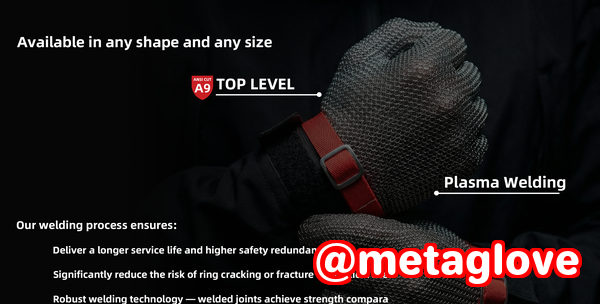
Welded Rings: These provide much stronger, more secure connections. You can tell if a ring is welded by inspecting the joint. It should be smooth and seamless, without any noticeable gaps.
-
Open Rings: These rings are easier to make and more affordable but less durable. A quick inspection should reveal if the rings are not welded.
Welded rings are crucial if you’re looking for chainmail that will withstand real wear and tear. If you’re buying chainmail for protection against cuts or abrasions, it’s essential to ensure the rings are welded.
3. Evaluate Wire Thickness and Inner Diameter
When inspecting chainmail, don’t just focus on the weave patternlook at the wire thickness and the inner diameter of the rings:
-
Wire Thickness: Thicker wire typically means stronger chainmail, so pay attention to the wire gauge used in the rings. Thinner wire can be more flexible, but it may not hold up well under pressure.
-
Ring Inner Diameter: The diameter of the rings impacts how tightly the weave will hold together. Larger rings can lead to a looser, weaker weave, while smaller rings can provide more protection but may be less flexible.
If the wire seems too thin or the inner diameter too large, the chainmail might not provide the level of protection you need.
4. Inspect the Weave Pattern
The most common weave pattern in high-quality chainmail is the European 4-in-1. This pattern is known for providing a good balance of flexibility and strength, as each ring is connected to four others. This creates a robust, durable structure that can withstand significant stress. Some other weaves may look good but are not as strong.
5. Test for Durability
Once you’ve inspected the material, welding, thickness, and weave, it’s time for the pull test. Here’s how you do it:
-
Hold a small section of the chainmail in both hands and gently pull in opposite directions.
-
If the rings hold firm and the weave doesn’t give way, you’re likely looking at a high-quality product.
-
If the rings bend or the weave starts to unravel, it’s a sign of weak craftsmanship or low-quality material.
Additionally, check for signs of corrosion. Stainless steel should be shiny and resistant to rust. If you spot any discoloration or rust, it’s a clear indication that the material is low-grade or improperly treated.
Why These Checks Matter
You might be wondering, “Why go through all this trouble when I could just buy something off the shelf?” Well, poor-quality chainmail can result in:
-
Unsafe products that don’t provide the protection you expect, especially in industrial settings or food handling.
-
Inconsistent durability that means your chainmail might look good for a while but will degrade quickly under stress.
-
Wasted money if you invest in something that doesn’t last or is simply a decorative piece when you were hoping for something functional.
By following these simple checks, you can ensure your purchase is not only cost-effective but also genuinely valuable for your specific needs, whether it’s industrial use, cosplay, or even a historical reenactment.
Conclusion: Ensuring a Quality Chainmail Purchase
After reading through this guide, I highly recommend taking these inspection steps seriously when purchasing any chainmail product. Whether you’re in the market for protective gear, a historical replica, or cosplay accessories, checking for welded rings, evaluating material grades, and inspecting the weave pattern will help ensure your purchase meets safety and durability standards.
For more information on how to identify high-quality chainmail and avoid low-quality imitations, be sure to visit our Aegimesh Chainmail inspection guide. It’s a great resource to help you make the best decision for your needs.
FAQs
-
How can I tell if a chainmail ring is welded or open?
Inspect the ring closely; a welded ring will have a smooth, seamless joint. Open rings will have a visible gap.
-
Which stainless steel grade is best for long-lasting chainmail?
For better corrosion resistance, 316 stainless steel is recommended, especially in food processing or outdoor applications.
-
How do I inspect the weave pattern for strength?
Look for the European 4-in-1 weave, which is known for its durability and strength. A consistent, tight pattern indicates a quality product.
-
What are the signs of low-quality or unsafe chainmail?
Signs include loose rings, inconsistent weaves, rust, or poor welding. Weak materials or excessive gaps between rings are also red flags.
-
Can decorative chainmail be used for protective purposes?
Not all decorative chainmail is strong enough for protection. Ensure the rings are welded, and the weave is tight if you need it for safety purposes.
-
How do I choose the right chainmail for industrial vs. cosplay use?
For industrial use, prioritize welded rings, thicker wire, and high-quality steel (316 stainless steel). For cosplay, you can focus more on the aesthetic and comfort, but durability still matters.
-
What’s the best way to maintain chainmail to prolong its life?
Regularly inspect for corrosion, clean it with mild soap and water, and store it in a dry, cool place to prevent rust.
Tags or Keywords
chainmail quality, welded rings, stainless steel chainmail, cut-resistant chainmail,