
Combining Chainmail with Stainless Steel Alloys for Enhanced Protection
When it comes to purchasing chainmail, whether for industrial safety, cosplay, or historical reenactments, it can be overwhelming to determine which products will truly meet your needs. The market is flooded with options, and unfortunately, not all chainmail is created equal. The challenge many buyers face is distinguishing between high-quality, durable chainmail and low-quality, decorative pieces that offer little protection or longevity.
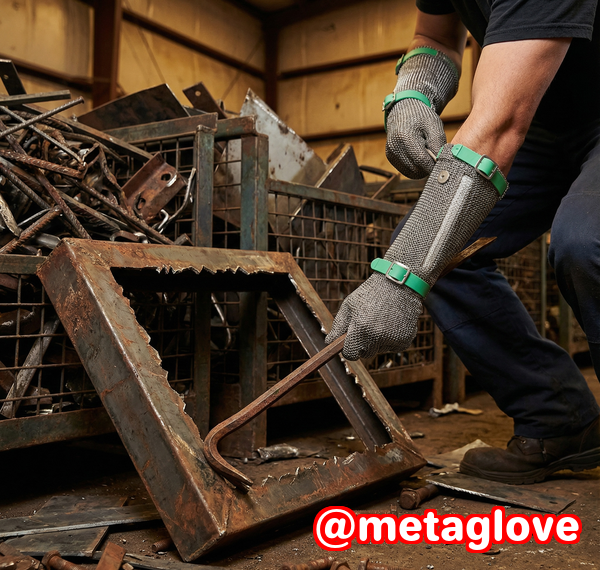
As a chainmail enthusiast myself, I’ve experienced this frustration firsthand. It’s one thing to admire the intricate craftsmanship of a chainmail shirt, but it’s another to trust that it will hold up when you need it most. Whether you’re looking for cut-resistant protection for work in hazardous environments, or simply a durable cosplay accessory, making sure your chainmail is made from the right materials is essential. And that’s where understanding chainmail quality comes into play.
In this guide, I’ll walk you through how to evaluate chainmail quality, including how to inspect welded rings, the right stainless steel alloys, and proper weave patterns, helping you make an informed decision before your next purchase.
Identifying High-Quality Chainmail: A Quick Overview
Before we dive into the specifics of inspection, let’s first touch on what makes chainmail high-quality.
1. Material Matters Stainless Steel Alloys
High-quality chainmail should be made from strong, corrosion-resistant materials like stainless steel. Stainless steel comes in different grades, with 304 and 316 being the most common in chainmail. The grade of stainless steel determines its strength, durability, and resistance to corrosion, especially in challenging environments like food processing or outdoor use.
2. Welded Rings vs. Open Rings
One of the most important features to check is the type of rings used in the chainmail. Welded rings, as opposed to open rings, provide far superior durability and strength, making them less likely to come apart under stress.
3. Weave Patterns and Ring Size
The weave pattern significantly affects the strength of the chainmail. For example, European 4-in-1 weave is widely known for its strength and flexibility. It’s used in both protective and decorative chainmail, so understanding the weave is crucial in determining if it will serve its intended purpose.
Now, let’s get into the nitty-gritty of evaluating chainmail.
The Pain Points: Common Problems with Low-Quality Chainmail
When evaluating chainmail, several issues can make it difficult to assess quality right away. Here are a few common pain points that I’ve come across:
1. Distinguishing Welded Rings from Open Rings
Open rings are commonly found in lower-quality chainmail products. These are rings that are not welded shut, meaning they can easily open up and lead to the chainmail falling apart over time. While open rings might be fine for purely decorative purposes, they’re definitely not suitable for protective use.
2. Uncertainty about Stainless Steel Grades
Not all stainless steel is created equal. The difference between 304 and 316 stainless steel can be significant, especially when it comes to corrosion resistance. 304 steel is more affordable and works well for decorative pieces, but 316 stainless steel offers greater resistance to rust and corrosion, making it the better choice for industrial or food-related applications.
3. Weak or Inconsistent Weaves
A poorly constructed weave can drastically affect the integrity of the chainmail. If the rings are poorly connected or there are inconsistencies in the weave pattern, the entire piece may not hold up to its intended use. This is particularly concerning in protective chainmail, where strength is paramount.
How to Inspect Chainmail Quality: Step-by-Step Guide
I’ve learned that the best way to avoid these issues is through careful inspection. It may seem tedious, but trust meit’s worth it to ensure your chainmail is up to par. Here’s how to inspect chainmail properly:
1. Material Inspection: 304 vs 316 Stainless Steel
The first thing you should do is check the material. Many chainmail sellers might not be clear about the stainless steel grade used, so it’s up to you to know the difference.
-
304 Stainless Steel: Good for decorative uses and less exposed environments. It’s highly resistant to rust but can corrode if exposed to saltwater or harsh chemicals.
-
316 Stainless Steel: The higher grade, offering enhanced resistance to corrosion, especially in more challenging environments (e.g., marine, industrial). It’s the best choice for long-lasting, protective chainmail.
You can often tell the material by its color and feel. 316 steel tends to be a bit shinier and has a more refined finish, but the best way to confirm is through the seller’s specifications.
2. Ring Inspection: Welded or Open Rings?
Next, inspect the rings. High-quality chainmail should use welded rings, which are rings that have been securely fused together, ensuring that the chainmail doesn’t fall apart under pressure.
To check if the rings are welded:
-
Look closely at the edges of the rings. If they appear smooth and continuous without any visible break or gap, they are likely welded.
-
Open rings, on the other hand, will have a visible split where the ends of the ring meet, making them weaker and more prone to coming apart.
3. Wire Thickness and Inner Diameter
The wire thickness and the inner diameter of the rings play a crucial role in chainmail strength. Too thin a wire and the chainmail becomes fragile, while too thick a wire may make the piece too stiff and uncomfortable.
For industrial and protective uses, the wire should be thick enough to withstand abrasions and cuts but still flexible enough to allow movement. A good guide is a wire thickness of around 1mm to 2mm.
4. Weave Pattern Inspection: European 4-in-1
The weave pattern is one of the most critical aspects of chainmail quality. A strong, durable weave pattern ensures that the chainmail will function as intended, whether for protection, cosplay, or historical accuracy.
-
The European 4-in-1 weave pattern is one of the most commonly used and offers great durability. It’s made by interlocking four rings through one central ring.
-
Look for tight and uniform rings. If you notice that some of the rings are loose or poorly aligned, that’s a sign of poor craftsmanship, which could compromise its durability.
5. Performing a Pull Test
You can do a simple pull test to check how securely the rings are attached. Gently pull on a section of the chainmail. If the rings stay securely in place and the weave doesn’t loosen, you’ve got a high-quality piece. If the rings shift or come apart, it’s a red flag.
6. Signs of Corrosion or Poor Craftsmanship
-
Corrosion: Stainless steel should resist rusting, but improper manufacturing can lead to corrosion over time. Check the rings for any signs of discoloration, especially if the chainmail is used in outdoor or humid environments.
-
Poor Craftsmanship: Irregular or uneven rings, frayed wires, and inconsistent weave patterns are all signs of low-quality chainmail that’s likely to fail.
Conclusion: Why It’s Worth the Effort
By following these simple steps, you can avoid making a costly mistake when buying chainmail. Whether you’re purchasing for cosplay, historical reenactment, or industrial use, the quality of the chainmail you choose directly impacts its performance and longevity.
I highly recommend inspecting your chainmail before purchase. It might take a little time, but it will save you from wasting money on a subpar product that can’t handle the job.
If you want to learn more about how to evaluate chainmail or need help choosing the right piece for your needs, check out our detailed chainmail inspection guide here.
FAQs
1. How can I tell if a chainmail ring is welded or open?
Look closely at the ring’s edges. Welded rings will have a smooth, continuous surface, while open rings will have a visible split.
2. Which stainless steel grade is best for long-lasting chainmail?
316 stainless steel offers the best corrosion resistance and is ideal for industrial and protective uses, while 304 is better suited for decorative purposes.
3. How do I inspect the weave pattern for strength?
Check the uniformity and tightness of the weave. European 4-in-1 is one of the most durable patterns and should have rings interlocking securely without gaps.
4. What are the signs of low-quality or unsafe chainmail?
Look for uneven rings, loose weaves, or visible rust. These indicate poor craftsmanship and possible safety issues.
5. Can decorative chainmail be used for protective purposes?
Decorative chainmail may not be durable or cut-resistant. For protection, always ensure the chainmail is made with welded rings and appropriate materials.
6. How do I choose the right chainmail for industrial vs cosplay use?
For industrial use, choose chainmail made from 316 stainless steel with welded rings and a strong, uniform weave. For cosplay, 304 stainless steel and lighter, more flexible weaves might be more comfortable.
7. How can I save money on chainmail without sacrificing quality?
By inspecting the material, weave, and craftsmanship beforehand, you can avoid buying low-quality chainmail and save money in the long run by making smarter, informed purchases.