
Choosing Between Ring Mesh and Chainmail for a Full Suit of Armor
When purchasing chainmail for protection or display, I often struggle to know which products are genuinely high-quality. With so many options out there, it can be overwhelming for anyone looking to invest in chainmail, whether for industrial safety, historical reenactments, or cosplay. Unfortunately, not all chainmail is created equalwhile some pieces offer superior durability, others are poorly made or even dangerous to use.
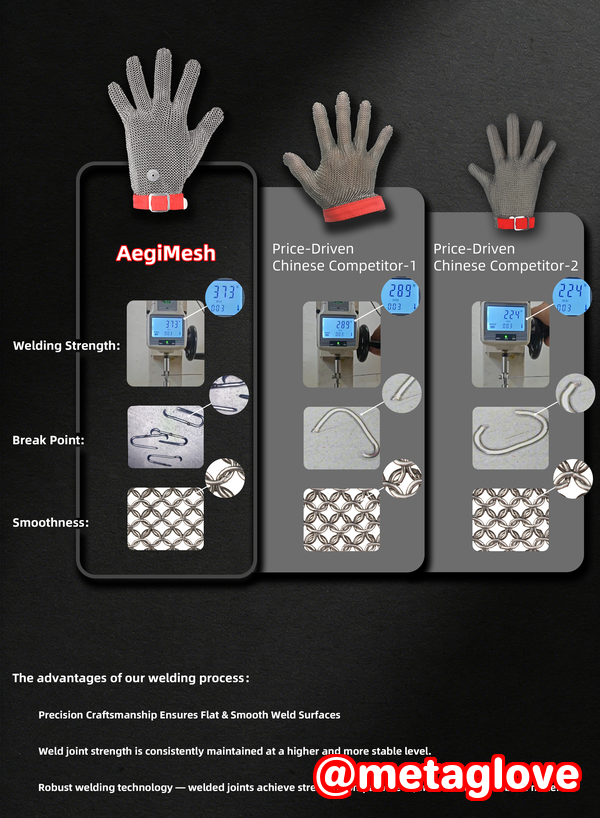
So how can you be sure that the chainmail you’re buying will stand the test of time, provide adequate protection, and actually be worth your money? That’s where understanding how to assess the quality of chainmail becomes essential. In this guide, I’ll walk you through the key factors to look for when evaluating chainmail products, helping you to make informed choices that keep your safety, budget, and goals in mind.
The Problem: How Do You Identify High-Quality Chainmail?
If you’re in the market for chainmail, whether for industrial use or as a collector’s item, the stakes are high. Low-quality chainmail can lead to a variety of problems:
-
Poor Durability: Weak or inconsistent weaves can result in chainmail that breaks down after only a short period of use.
-
Safety Concerns: For industrial users, low-quality chainmail could fail to provide the necessary protection, leading to injuries.
-
Wasted Money: Purchasing chainmail that isn’t up to par means you’ll need to replace it sooner than you’d like.
So how do you avoid these issues? Fortunately, there are a few simple tests and techniques that can help you distinguish the best chainmail from the rest.
Understanding Chainmail Construction: The Basics
Before diving into the inspection process, let’s take a moment to break down what makes chainmail quality good or bad. Chainmail is made of individual rings woven together in a pattern, with the most common design being the European 4-in-1 weave, where each ring is linked with four others.
A full suit of armoror a section of protective gearrequires rings made of strong materials, such as stainless steel. The quality of the material, the method of connecting the rings (welded vs. open rings), the size and thickness of the wire, and the consistency of the weave are all key factors in determining overall chainmail quality.
Common Pain Points in Chainmail Quality
When evaluating chainmail, there are several common issues that many buyers face. Let’s take a closer look at these pain points and how to overcome them:
1. Welded Rings vs. Open Rings
One of the most important things to check is whether the rings are welded or open. Welded rings are fused together at the ends, creating a much stronger, more durable structure. Open rings, on the other hand, rely on bending and twisting, which can cause the links to loosen over time and result in wear and tear.
-
Why it matters: Welded rings are far superior for long-lasting durability, particularly in industrial or protective settings.
-
What to look for: Inspect the edges of each ring to see if they are fused together. If the ring appears to have a clean, smooth finish where the ends meet, it’s likely welded.
2. Choosing the Right Stainless Steel
Stainless steel is the most common material used for chainmail due to its rust resistance and strength. However, not all stainless steel is created equal. The two most common grades of stainless steel for chainmail are 304 and 316.
-
304 Stainless Steel: This is the most common type of stainless steel and is highly resistant to rust, but it’s not ideal for extreme environments, especially saltwater.
-
316 Stainless Steel: This grade is superior to 304 because it includes molybdenum, which makes it even more resistant to corrosion, particularly in marine or industrial environments.
-
Why it matters: Choosing the right steel ensures your chainmail will be durable and resistant to rust, making it safe for use in food processing, industrial settings, or outdoor environments.
-
What to look for: Ask the supplier or manufacturer for the grade of stainless steel used in the chainmail. If it’s not specified, it’s a red flag.
3. Wire Thickness and Ring Diameter
The thickness of the wire and the diameter of the rings significantly impact the overall strength and durability of the chainmail. Thicker wires and smaller ring diameters create stronger, more robust chainmail that will hold up under pressure.
-
Why it matters: For industrial applications, such as cut-resistant clothing, you’ll need thicker wire and smaller rings for effective protection. For decorative or cosplay uses, you might prioritize lighter, more flexible chainmail.
-
What to look for: Measure the diameter of the rings and check the wire’s gauge. If the measurements aren’t provided, ask for them.
4. Weave Patterns: European 4-in-1
One of the most trusted weaves for durability is the European 4-in-1 pattern, where each ring is linked with four others. This creates a strong, interwoven structure that is both flexible and sturdy.
-
Why it matters: The weave pattern affects the overall strength of the chainmail and its ability to protect against cuts, impacts, and abrasions.
-
What to look for: Inspect the weave carefully. If the chainmail looks haphazard or the rings are not interlocked in a consistent pattern, it may be a sign of poor craftsmanship.
Practical Tips for Evaluating Chainmail
Now that we’ve covered the basics, let’s talk about how you can inspect chainmail to ensure you’re getting a high-quality product.
1. Perform a Simple Pull Test
Gently pull on a section of the chainmail to check for strength. If the rings are welded, they should stay intact, even under a fair amount of tension. If they’re open rings, they may bend or break easily.
2. Inspect for Corrosion
Even stainless steel can corrode over time, particularly in salty or humid environments. Check for any signs of rust or discoloration, especially around the rings and weaves.
3. Look for Inconsistent Weaving
A good quality piece of chainmail should have a consistent weave pattern throughout. If you spot irregularities, such as rings that aren’t tightly linked or uneven spacing, it’s a sign of low-quality craftsmanship.
4. Know Your Intended Use
Not all chainmail is the same, so it’s important to choose the right kind for your needs. Industrial chainmail for cut protection will need to be thicker and more durable than chainmail designed for cosplay or historical replicas.
Why Aegimesh Chainmail Is a Great Choice
At Aegimesh, we’ve designed our products with these key factors in mind. Our guide and inspection tool help buyers, collectors, and professionals evaluate the true quality of chainmail products, making it easier to spot inferior items and invest in durable, high-quality pieces. Whether you’re looking for chainmail for industrial protection, cosplay, or historical reenactments, Aegimesh offers chainmail that is built to last.
Conclusion: Make an Informed Decision
When it comes to purchasing chainmail, it’s crucial to follow these steps to ensure you’re investing in something that’s durable, safe, and suited to your needs. By paying attention to the material, welds, wire thickness, and weave patterns, you can easily identify quality chainmail that will stand up to the test of time.
I highly recommend following these steps to ensure any chainmail purchase meets safety and durability standards. Don’t waste money on low-quality productsinspect before you buy and make informed decisions.
Learn more about identifying high-quality chainmail products: https://www.aegimesh.com/
FAQ
1. How can I tell if a chainmail ring is welded or open?
Look closely at the ends of each ring. If the ends are fused together smoothly, it’s welded. If there’s a visible gap, it’s likely an open ring.
2. Which stainless steel grade is best for long-lasting chainmail?
316 stainless steel is superior for durability, especially in corrosive environments, while 304 is more common and suitable for general use.
3. How do I inspect the weave pattern for strength?
Look for a consistent pattern, such as the European 4-in-1 weave. If the pattern is irregular or the rings aren’t tightly linked, it’s a sign of poor craftsmanship.
4. What are the signs of low-quality or unsafe chainmail?
Weak welds, inconsistent weaves, corrosion, and thin wire are all red flags that the chainmail may not provide the protection or durability you need.
5. Can decorative chainmail be used for protective purposes?
Not always. Decorative chainmail may not have the strength required for protection. Always check the material, wire thickness, and weave pattern for durability.
6. How do I choose the right chainmail for industrial vs cosplay use?
For industrial use, look for thicker wire, smaller ring diameters, and welded rings. For cosplay, flexibility and lighter weight are often more important than strength.