
Chainmail’s Modern Uses From Cosplay to Tactical Gear
When I first started exploring the world of chainmail, I was fascinated by the sheer versatility of this ancient form of armor. It wasn’t just a staple of medieval warfare anymore; chainmail had found its way into modern industries, cosplay, and even food safety. However, as I began researching chainmail products for myself, I realized there was one big challenge: how do you tell if the chainmail you’re looking at is actually high-quality or just a cheap imitation?
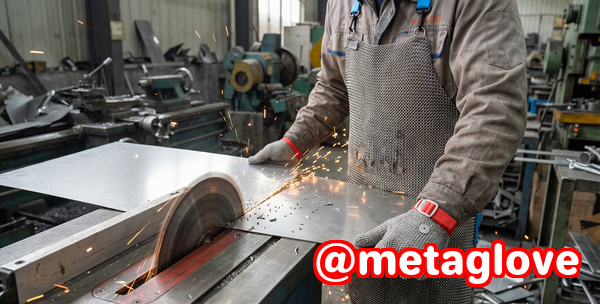
Whether you’re buying chainmail for personal use, cosplay, industrial work, or historical reenactments, understanding what makes a piece truly durable and safe can be tricky. If you’ve ever been unsure about the chainmail you’re considering purchasingwondering whether it’s genuinely protective or if it’s built to lastthen you’re not alone.
Chainmail Quality: The Importance of Inspection
So, what does “quality” really mean when it comes to chainmail? It’s not just about looks. Chainmail needs to be strong, durable, and well-crafted to serve its purpose, especially if it’s being used for protection, like in industrial or food-processing environments. But how do you avoid getting stuck with low-quality or even unsafe products?
One of the biggest challenges I faced when learning about chainmail was distinguishing between different types of rings, materials, and weaves. There are a lot of factors to consider, but understanding them is key to making a smart purchase. Luckily, with a little know-how, it’s possible to identify high-quality chainmail and avoid wasting money on something that won’t hold up to wear and tearor worse, compromise your safety.
Common Pain Points When Buying Chainmail
-
Welded vs. Open Rings
When looking at chainmail, one of the most common mistakes people make is confusing welded rings with open rings. This is important because welded rings (where the ring ends are fused together) offer far more durability and protection compared to open rings, which can easily separate under pressure. The problem is, open rings often look nearly identical to welded rings at first glance, so unless you’re familiar with the differences, it’s easy to miss this key feature.
-
Stainless Steel Grades
Not all stainless steel is created equal. You might come across some chainmail labeled as “stainless steel,” but it’s crucial to know the grade of steel used, as this directly affects its durability and corrosion resistance. The most common grades you’ll encounter are 304 and 316. While 304 is more affordable and works well for decorative or cosplay chainmail, 316 stainless steel is more corrosion-resistant and is preferred for industrial or food-processing applications. If you’re working in harsh environments or need reliable protection, you’ll want to go with 316 stainless steel every time.
-
Weak or Inconsistent Weaves
When it comes to the actual weave of the chainmail, the pattern matters. One of the strongest weaves is the European 4-in-1 pattern, which consists of each ring linking with four others. A poor or inconsistent weave, where rings don’t interlock properly, compromises the durability and protective quality of the chainmail. Unfortunately, some manufacturers cut corners by using weaker weaves that look similar but lack the strength you need for industrial or tactical use.
Aegimesh Chainmail: Your Guide to Quality
When I started learning about how to assess chainmail, one of the most helpful tools I came across was Aegimesh’s Chainmail Guide and Inspection Tool. It helped me break down the process into simple steps that anyone could follow, whether they were buying chainmail for cosplay, food safety, or industrial protection. Aegimesh’s guide offers practical advice on everything from inspecting welded rings to understanding wire thickness and ring diameters.
Here’s how you can start inspecting chainmail to make sure you’re getting a high-quality product:
1. Check the Material Type
Always start by verifying the material. Aegimesh Chainmail, for example, uses premium-grade stainless steel, which is crucial for both strength and longevity. The best choice for durability is 316 stainless steel, especially in environments where corrosion could be an issue, such as food handling or wet environments.
2. Inspect the Rings
Take a close look at the rings. Welded rings are superior to open rings because they are much more durable. Try gently pulling on the ringsif they’re open, they might easily pull apart, whereas welded rings should stay intact under reasonable stress. If you’re unsure, feel free to conduct the “pull test,” which is simply applying gentle pressure to see if the rings hold together.
3. Evaluate the Weave Pattern
Look at the weave pattern of the chainmail. The European 4-in-1 weave is a sign of quality because it offers maximum strength and flexibility. Make sure the rings are consistently woven without gaps or misalignments. A poorly made weave will compromise the chainmail’s effectiveness, especially if you’re relying on it for protection.
4. Examine the Wire Thickness and Ring Diameters
The thickness of the wire and the diameter of the rings affect the strength and flexibility of the chainmail. Thicker wire and smaller rings generally create a stronger, more durable piece of chainmail. Inspect the size and gauge of the wire to ensure it matches your intended use. For example, cosplay chainmail may look great with thinner wires and larger rings, but industrial uses require thicker wire for optimal protection.
5. Look for Signs of Corrosion
Corrosion is a silent enemy of chainmail, especially if it’s exposed to moisture or harsh chemicals. If you notice any signs of rust or discoloration, the chainmail might be made from low-quality steel or improperly treated. Proper care and high-quality materials will keep corrosion at bay, ensuring longevity and safety.
The Benefits of Proper Chainmail Inspection
By following these simple inspection steps, you can make sure you’re investing in chainmail that meets safety and durability standards. Here are some of the benefits of knowing how to properly evaluate chainmail:
-
Avoid Unsafe Chainmail for Industrial Use
In industrial settings, safety is critical. Low-quality chainmail could fail under stress, putting you at risk. Whether you’re using it for cut-resistant protection in a factory or food-processing setting, understanding how to identify high-quality chainmail ensures you’re getting the protection you need.
-
Ensure Durability for Cosplay or Decorative Use
For cosplay or historical replicas, durability is still important, especially if you plan on wearing or displaying the chainmail regularly. By inspecting the material and weave, you can ensure the chainmail will hold up for years to come.
-
Save Money by Avoiding Poor Quality Products
Low-quality chainmail is not only unsafe, but it also won’t last. Understanding how to inspect chainmail before purchasing can save you money by helping you avoid cheap imitations that won’t stand the test of time.
Conclusion: Make Sure You Get Quality Chainmail
If you’re in the market for chainmail, whether for protection, cosplay, or collection purposes, I highly recommend following the inspection methods I’ve outlined above. By checking the material, inspecting the rings and weave, and testing for strength and corrosion resistance, you’ll ensure that your chainmail is both safe and durable. Don’t waste your money on low-quality or unsafe products!
To learn more about identifying high-quality chainmail products and make an informed purchase, check out our detailed guide at Aegimesh Chainmail. You can trust our comprehensive inspection guide to help you find the perfect chainmail for your needs.
FAQ
-
How can I tell if a chainmail ring is welded or open?
Look closely at the ends of the rings. Welded rings will have fused ends, while open rings will show a visible gap.
-
Which stainless steel grade is best for long-lasting chainmail?
316 stainless steel is the best choice for long-lasting durability and corrosion resistance, especially in harsh environments.
-
How do I inspect the weave pattern for strength?
Check for consistency in the patterneach ring should interlock with four others in a European 4-in-1 pattern. Gaps or irregularities in the weave indicate poor quality.
-
What are the signs of low-quality or unsafe chainmail?
Look for signs of weak welding, poor weaves, rusty rings, and inconsistencies in ring size or material quality.
-
Can decorative chainmail be used for protective purposes?
Decorative chainmail can be used for cosplay or display, but it’s not designed for protection. For safety, look for chainmail made from thicker wire and welded rings.
-
How do I choose the right chainmail for industrial vs. cosplay use?
For industrial use, prioritize 316 stainless steel, thick wire, and tight weaves for protection. For cosplay, decorative options like 304 stainless steel and lighter materials may be suitable.
Tags
chainmail quality, welded rings, stainless steel chainmail, cut-resistant chainmail, chainmail inspection, European 4-in-1 weave