
Chainmail Steel Armor: How it Protects and Defends
When it comes to buying chainmailwhether for protection, display, or cosplaymany buyers face the same dilemma: how do you know if you’re getting a quality product? It’s easy to get lost in the sea of options available, and sometimes, it’s hard to distinguish between real, high-quality chainmail and low-grade imitations. After all, chainmail isn’t just a decorative piece; it’s a tool that can provide real protection and durability for various uses.
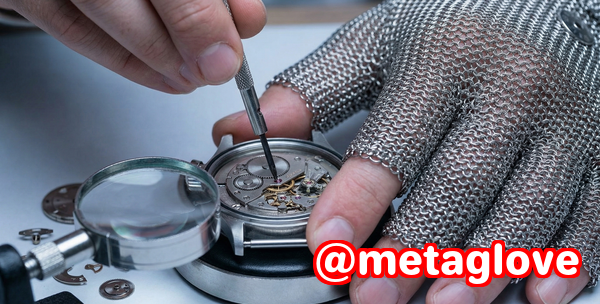
In this article, I’ll walk you through the key factors to consider when evaluating chainmail, focusing on materials, welds, weave patterns, and other important details. By the end, you’ll feel confident identifying high-quality chainmail products that not only meet your needs but also ensure safety, durability, and value for your money.
Why Chainmail Quality Matters
Before we dive into how to inspect chainmail, let’s first understand why its quality is so important. Whether you’re buying chainmail for industrial use, food processing, cosplay, or historical re-enactments, poor-quality chainmail can put you at risk.
For industrial users, low-quality chainmail can compromise safety, leading to injuries from cuts or punctures. For cosplayers or collectors, weak or poorly made chainmail can spoil the authenticity and longevity of your costume or display piece. Even for historical replicas, incorrect materials and craftsmanship can detract from the historical accuracy and durability of the piece.
By knowing how to evaluate the quality of chainmail, you can avoid wasting money on subpar products and ensure that your purchase will perform as expected in its intended use.
Common Pain Points When Evaluating Chainmail
Let’s talk about some of the most common issues people run into when evaluating chainmail.
-
Distinguishing Welded Rings from Open Rings: Not all chainmail is made the same. Some manufacturers use open rings (rings that are not welded shut), which compromises the strength and integrity of the chainmail. These rings can eventually break apart or come undone, leading to safety risks.
-
Uncertainty About Stainless Steel Grades: Stainless steel is a popular choice for chainmail, but not all grades of stainless steel are created equal. Many people aren’t sure whether they should go for 304 or 316 stainless steel, which leads to confusion when deciding on the right material for their needs.
-
Weak or Inconsistent Weaves: Chainmail’s durability is largely determined by the weave pattern. Unfortunately, some chainmail weaves are inconsistent or too loose, which means the chainmail might not offer the protection or strength you’re hoping for.
The Aegimesh Chainmail Inspection Guide
Here at Aegimesh, we’ve developed a comprehensive guide to help you evaluate chainmail quality. It’s based on years of experience and knowledge of the materials and techniques that make chainmail effective and durable. In this guide, we’ll cover some of the most important factors to look for when inspecting chainmail:
1. Material Type: 304 vs. 316 Stainless Steel
The first thing to check when evaluating chainmail is the material. Two of the most common stainless steel grades used for chainmail are 304 and 316. While both are corrosion-resistant, 316 stainless steel has a higher resistance to rust and corrosion, making it ideal for industrial applications or environments exposed to harsh chemicals or moisture. On the other hand, 304 stainless steel is more affordable and works well for cosplay or historical reenactments, but may not be as durable in extreme conditions.
2. Welded Rings vs. Open Rings
Next, check whether the rings are welded or open. Welded rings are fused shut, making them much stronger and less likely to break apart. Open rings, as the name suggests, are not welded and can eventually come undone, rendering the chainmail ineffective. To check this, simply look at the edges of the ringsif they appear closed with a smooth finish, they’re likely welded. If you can see a gap or irregularity, the rings may be open.
3. Wire Thickness and Ring Diameter
The thickness of the wire and the diameter of the rings play a crucial role in the overall strength and durability of the chainmail. Thicker wire and smaller ring diameters typically result in stronger, more durable chainmail. When inspecting, check the wire’s thickness and compare it to the ring diameter. If the wire seems too thin for the size of the ring, it may not provide the necessary protection.
4. Weave Patterns: European 4-in-1 Weave
The most common and reliable weave pattern for chainmail is the European 4-in-1 weave, where each ring connects to four other rings. This tight, consistent pattern offers a good balance of flexibility and strength. If the weave is too loose or inconsistent, it could indicate low-quality craftsmanship, meaning the chainmail might not perform as expected under pressure.
5. Check for Corrosion and Craftsmanship
Even the best materials can degrade over time if not properly crafted. When inspecting chainmail, look for signs of corrosion or wear. Rust on stainless steel is a clear sign that the material is not as high-quality as it should be. Additionally, check for uneven rings, poor welds, or gaps in the weave, which all indicate poor craftsmanship.
How to Perform a Simple Pull Test
One of the easiest ways to test chainmail’s durability is to perform a simple pull test. Gently tug on the rings, especially in areas where the weave seems loose. A high-quality chainmail product should resist pulling apart and maintain its integrity under pressure. If you notice rings coming undone or the weave stretching too easily, that’s a red flag.
Choosing the Right Chainmail for Your Needs
Not all chainmail is created equal, and choosing the right type depends on your intended use.
-
Industrial Use: For high-stress environments like food processing or industrial work, you’ll want chainmail made from 316 stainless steel with a tight, durable weave and welded rings. This will ensure long-lasting protection against cuts and abrasions.
-
Cosplay and Decorative Use: For cosplay or decorative purposes, 304 stainless steel should be sufficient, as it’s easier to work with and more affordable. Look for a tight weave, but it’s not as critical to have the highest grade material.
-
Historical Re-enactments: For historical accuracy, choose a product that matches the time period and materials used in the original chainmail. This often means selecting 304 stainless steel with a European 4-in-1 weave.
Conclusion: A Guide to Safe and Durable Chainmail
As you can see, evaluating chainmail quality isn’t difficult, but it does require a careful eye. By following the inspection steps outlined abovechecking materials, welds, ring thickness, and weave patternsyou can confidently determine whether a piece of chainmail is up to the task. Whether you’re buying for safety, cosplay, or historical accuracy, taking the time to inspect your chainmail purchase will save you money and prevent any safety risks.
I highly recommend following these steps to ensure any chainmail purchase meets safety and durability standards. For more information, check out our detailed chainmail inspection guide today.
Frequently Asked Questions (FAQ)
-
How can I tell if a chainmail ring is welded or open?
Look closely at the edges of the rings. If the edges are smooth and there’s no visible gap, it’s a welded ring. Open rings will have a noticeable gap.
-
Which stainless steel grade is best for long-lasting chainmail?
316 stainless steel offers superior corrosion resistance, making it ideal for industrial and food-related applications, while 304 stainless steel works well for lighter uses like cosplay. -
How do I inspect the weave pattern for strength?
A reliable weave, like the European 4-in-1, will have each ring connected to four others in a consistent, tight pattern. Look for irregularities or loose weaves that may compromise strength.
-
What are the signs of low-quality or unsafe chainmail?
Poor craftsmanship, inconsistent weaves, open rings, and rust are all signs of low-quality chainmail that may not offer the protection or durability you need.
-
Can decorative chainmail be used for protective purposes?
Decorative chainmail may look good but often lacks the strength needed for protection. For real safety, choose chainmail with welded rings and high-quality material.
-
How do I choose the right chainmail for industrial vs cosplay use?
For industrial use, opt for 316 stainless steel with a tight, durable weave. For cosplay, 304 stainless steel is typically sufficient, with attention to aesthetic quality.
-
Is it possible to repair chainmail if the rings break?
Yes! You can replace individual rings or reweave sections of chainmail, but this requires time, tools, and the proper materials to restore its strength.
Tags/Keywords
-
chainmail quality
-
welded rings
-
stainless steel chainmail
-
cut-resistant chainmail
-
chainmail inspection
-
European 4-in-1 weave