
Chainmail Boleros for Heavy-Duty Applications
When I first started diving into the world of chainmail, I was amazed by how many different types and qualities existed. As a buyer, I quickly realized that not all chainmail is created equal. Whether you’re looking for a robust protective garment for industrial use or a decorative piece for cosplay, the stakes are high when it comes to picking the right product. After all, what good is an industrial-grade chainmail bolero if it can’t handle the wear and tear of everyday use?
One of the most common concerns I hear from buyers is knowing how to differentiate between high-quality and low-quality chainmail. And it’s not just about looks; it’s about ensuring durability, safety, and practicality for the intended purpose. Chainmail can be the difference between safety and injury in heavy-duty applications, or between an authentic replica and a flimsy costume piece. So, in this article, I’m going to walk you through how to identify quality chainmail, specifically focusing on boleros for heavy-duty applications.
Common Issues When Evaluating Chainmail
Before diving into the “how-to” of chainmail inspection, let me highlight a few common pain points many buyers face when evaluating chainmail products.
-
Welded vs. Open Rings
One of the first challenges I encountered was distinguishing between welded rings and open rings. It’s crucial because welded rings significantly improve the strength and durability of the chainmail, especially for heavy-duty applications. Open rings, on the other hand, may look similar but are much less durable, which could lead to safety concerns.
-
Understanding Stainless Steel Grades
Not all stainless steel is created equal, and when it comes to chainmail, this matters. Some products are made with 304-grade stainless steel, which is rust-resistant but not ideal for high-wear environments. Others use 316 stainless steel, which is more corrosion-resistant and stronger, making it the better choice for industrial or heavy-duty applications. Knowing which grade you’re dealing with is essential to avoid poor-quality products.
-
Weak or Inconsistent Weaves
If you’re buying chainmail for protection, the weave pattern is critical. Certain weaves, like the European 4-in-1, provide superior strength and durability. Unfortunately, some manufacturers use less durable weaves to cut costs. A poorly executed weave could mean your chainmail won’t perform as expected when you need it most.
How to Inspect Chainmail Quality
Luckily, once you know what to look for, inspecting chainmail is relatively straightforward. Here’s a step-by-step guide on how to evaluate the quality of a chainmail bolero, whether it’s intended for industrial protection, food processing, or cosplay.
1. Material Type: Stainless Steel Grade Matters
The first step is to confirm the type of material used in the chainmail. The two most common grades of stainless steel are 304 and 316. While both are durable and corrosion-resistant, 316 stainless steel is more resistant to corrosion, especially in harsher environments. For example, if you’re buying chainmail for industrial use where exposure to moisture or chemicals is common, 316 stainless steel is the better choice.
Quick tip: Look for any product specifications or ask the seller about the material. Aegimesh, for instance, ensures all their chainmail products are made from the highest quality materials.
2. Ring Welding: Are the Rings Welded or Open?
The next thing to check is the welding of the rings. Welded rings are stronger and more durable than open rings. You can tell the difference by inspecting the ring’s ends. Welded rings will have a seamless connection, while open rings will show a noticeable gap or a joint where the ends meet.
How to check: Lightly run your fingers along the edges of the rings. If they feel smooth and continuous, they’re welded. If you feel a slight seam or unevenness, you’re looking at open rings.
3. Wire Thickness and Ring Diameter
Next, take a closer look at the wire thickness and ring diameter. For industrial-grade chainmail, the wire should be thick enough to withstand heavy impacts. The diameter of the rings should also be substantial to ensure the weave holds up under pressure.
Quick inspection guide: Use a caliper or measuring tape to measure the wire thickness. Chainmail intended for heavy-duty applications should have a thicker wirearound 1.2mm to 1.6mm for industrial use. If the rings feel flimsy or lightweight, they’re probably too thin for durable protection.
4. Weave Pattern: Look for the Right Weave
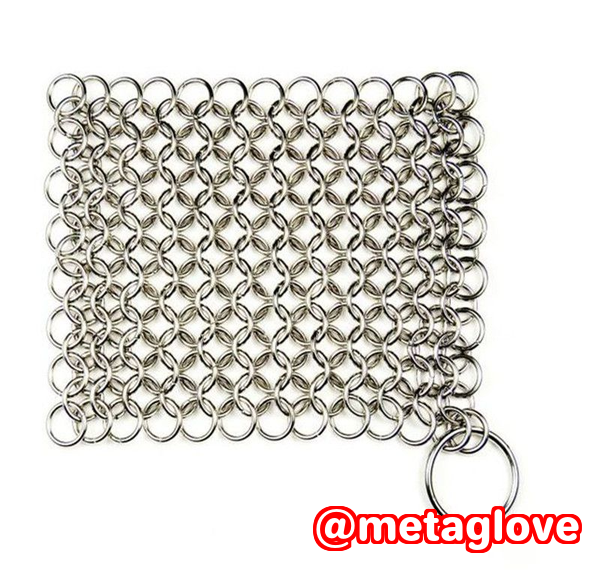
The weave pattern is a huge factor in determining the strength and durability of your chainmail. The European 4-in-1 weave, for example, is commonly used for its excellent balance of flexibility and strength. It’s perfect for heavy-duty applications like industrial protection.
How to check: Look at the individual rings in the weave. If they form a clear, consistent pattern, you’ve got a solid chainmail product. If the rings are misaligned or inconsistent, the weave may be weak, which compromises its protective qualities.
5. Perform the Pull Test
A simple pull test can help you determine the strength of the chainmail. Grab a section of the chainmail and gently pull. If the rings stay intact and there’s no significant stretching or distortion, that’s a good sign that the weave is strong and well-constructed. If the rings separate or the weave distorts easily, that’s a red flag.
Important: For heavier applications, like industrial or food-processing environments, chainmail should feel firm and stable when you perform the pull test.
6. Check for Signs of Corrosion
Corrosion can be a major issue for chainmail, especially in environments with high humidity or exposure to chemicals. Stainless steel is resistant to corrosion, but it’s not immune. 316 stainless steel is particularly resistant to rust, making it ideal for tough applications.
How to inspect: Look for any signs of rust, discoloration, or pitting on the surface. If you notice any, the chainmail might not be made from high-quality stainless steel, and it could compromise the durability of the product.
Why Inspection is Crucial for Chainmail Buyers
By now, you’ve probably realized that chainmail inspection is about more than just aesthetics. It’s about making sure the product you purchase is safe, durable, and suitable for its intended use. Here’s why it’s worth your time:
-
Avoid Unsafe Chainmail: For industrial or food processing use, subpar chainmail could expose you to safety risks. Poor-quality weave or thin rings can leave gaps in protection, leading to injuries.
-
Ensure Durability: High-quality chainmail is built to last. With the right inspection, you can ensure the chainmail will hold up to the demands of your work or display needs.
-
Save Money: Identifying low-quality products upfront means you won’t waste money on a chainmail bolero that isn’t up to par. By avoiding poor craftsmanship, you can invest in a product that truly meets your needs.
Conclusion
In summary, when buying chainmail for heavy-duty applications, it’s essential to inspect the material, welding, wire thickness, and weave pattern carefully. I highly recommend following these steps to ensure that any chainmail purchase meets both safety and durability standards. Whether you’re using it for industrial work, food processing, or cosplay, proper chainmail inspection will give you peace of mind knowing you’re investing in a product that can stand the test of time.
Learn more about identifying high-quality chainmail products: Aegimesh Chainmail Inspection Guide.
Frequently Asked Questions
1. How can I tell if a chainmail ring is welded or open?
To check, feel along the edge of the ring. Welded rings will have a smooth, continuous surface, while open rings will have a gap or joint.
2. Which stainless steel grade is best for long-lasting chainmail?
For heavy-duty use, 316 stainless steel is the best choice due to its superior corrosion resistance and strength.
3. How do I inspect the weave pattern for strength?
Look for consistent, well-aligned rings forming a regular pattern. The European 4-in-1 weave is highly recommended for strength.
4. What are the signs of low-quality or unsafe chainmail?
Signs include inconsistent weaving, thin wire, open rings, and visible rust or corrosion. Avoid these products, especially for industrial use.
5. Can decorative chainmail be used for protective purposes?
Decorative chainmail, often thinner and made with open rings, may not be suitable for protection. Always check the weave, material, and ring welding if you need it for safety.
6. How do I choose the right chainmail for industrial vs. cosplay use?
For industrial use, prioritize durability by choosing 316 stainless steel, welded rings, and a strong weave like European 4-in-1. For cosplay, decorative pieces may suffice, but make sure the chainmail is still made with quality materials.
7. How can I save money when buying chainmail?
Avoid low-quality products by inspecting the material, welding, and weave pattern before purchase. This ensures you don’t waste money on chainmail that won’t meet your needs.