
Chainmail Boleros Designed for Professional Safety
When it comes to chainmail products, particularly for professional use, the concern often arises: How do I know which products are actually high-quality and safe? Whether you’re a collector, industrial worker, or cosplay enthusiast, it’s easy to feel overwhelmed by the sheer variety of chainmail on the market. But there’s a way to ensure that what you’re purchasing is built to last and meet safety standards. Let’s take a deeper dive into the world of chainmail boleros and how you can evaluate their quality, durability, and suitability for your needs.
Why Quality Matters
Imagine you’re purchasing a chainmail bolero for a historical reenactment or cosplay event. You’ve spent time searching for the perfect piecesomething that reflects the intricate craftsmanship of the medieval era. But when you receive it, you notice that the rings are loose, and the weave is inconsistent. Not only does it look wrong, but you’re also left wondering whether it will stand up to wear and tear, or worse, break when it’s needed most.
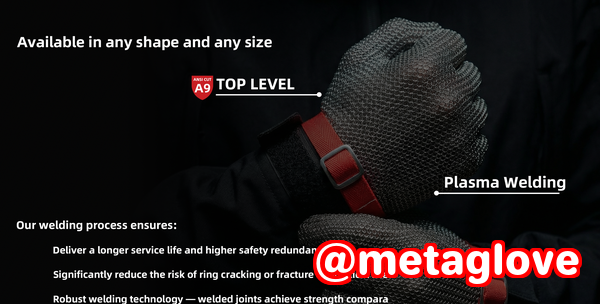
Now, imagine this scenario in a professional context. Perhaps you need chainmail for industrial use, like cut-resistant gloves or aprons for food processing. If you don’t thoroughly inspect the quality of the material, you might end up with a product that doesn’t perform as expected. In either case, your investment could be wasted, and you might face serious safety risks. The good news is, you can avoid all these issues with a little knowledge about chainmail inspection.
Common Pain Points in Chainmail Quality
1. Welded vs Open Rings
One of the first things you’ll want to check when purchasing chainmail is whether the rings are welded or open. Open rings are a sign of poor craftsmanship and can lead to the piece falling apart over time. You might think the two are hard to tell apart, but it’s quite simple with a quick inspection. Welded rings will show signs of a small seam where the two ends meet, while open rings will be entirely separate.
Aegimesh Chainmail takes the guesswork out of this process. Every product is inspected and guaranteed to feature high-quality welded rings for maximum strength and longevity.
2. Choosing the Right Stainless Steel Grade
Stainless steel is a common material in high-quality chainmail, but not all stainless steel is created equal. You’ve likely encountered terms like 304 and 316 when shopping for chainmail. These refer to the grades of steel used, and they make a huge difference in the product’s durability, especially in industrial and food handling contexts.
-
304 Stainless Steel: This is a good, general-purpose grade that’s resistant to corrosion in most environments. It’s perfect for decorative purposes or light-use chainmail.
-
316 Stainless Steel: If you need your chainmail to endure harsher environments, 316 is the way to go. This grade is resistant to both saltwater and chemicals, making it ideal for industrial use, food handling, or any situation where corrosion could be an issue.
The Importance of Proper Chainmail Inspection
Understanding the difference in steel grades and the type of rings used is just the start. To ensure you’re buying the best possible product, you’ll also need to assess factors like wire thickness, inner diameter of the rings, and the weave pattern. These elements all contribute to how well the chainmail will perform in real-world situations.
1. Inspecting the Wire Thickness and Ring Diameter
When evaluating chainmail, the wire thickness and ring diameter are critical for durability and safety. A thicker wire typically means stronger chainmail, which is essential for industrial applications like cut-resistant gloves or armor. The diameter of the rings should also be consistent; if the rings are too large, they might not interlock correctly, weakening the overall structure of the chainmail.
To evaluate this, look at the weave and measure a few rings at random. If you notice any inconsistencies in thickness or diameter, it’s a sign that the product may not hold up under stress.
2. Evaluating the Weave Pattern
Weave patterns like the European 4-in-1 are key to the overall strength of chainmail. This weave pattern creates a tight, interlocking grid that adds resilience and flexibility, making it ideal for both protective and decorative chainmail.
As you inspect the weave, ensure that all rings are linked correctly and consistently. Any loose or poorly connected rings can severely affect the chainmail’s effectiveness and lifespan.
Practical Tips for Evaluating Chainmail
1. The Pull Test
One of the easiest ways to check the durability of your chainmail is the pull test. Gently pull at the rings to see if they come apart. A well-made chainmail bolero should resist pulling, even with a fair amount of force. If the rings start to separate or bend, then you might be dealing with a low-quality product that won’t stand up to real-world use.
2. Check for Signs of Corrosion or Poor Craftsmanship
Another simple step is to inspect the surface of the rings for any signs of corrosion, rust, or poor craftsmanship. Good-quality chainmail will have smooth, even rings with no signs of rusting. If you see rough edges or discoloration, the product may have been poorly made or not treated properly for long-term use.
3. Determine the Right Chainmail for Your Needs
Not all chainmail is created with the same purpose in mind. The type of chainmail you choose should depend on how you intend to use it. If you’re looking for cut-resistant gloves for industrial or food handling, opt for chainmail made from 316 stainless steel and with a tight European 4-in-1 weave. For cosplay or decorative purposes, 304 stainless steel might be more than adequate, provided the design and craftsmanship are up to standard.
Why I Recommend Aegimesh Chainmail
Based on years of experience, I highly recommend taking the time to properly evaluate any chainmail purchase. By using the steps outlined abovechecking ring welds, inspecting wire thickness, and understanding weave patternsyou’ll avoid low-quality purchases and ensure that your chainmail performs as expected.
Aegimesh Chainmail provides detailed inspection guides to help buyers and professionals alike make informed decisions. You can trust Aegimesh to supply top-tier chainmail, whether you’re looking for industrial cut protection, historical replicas, or decorative cosplay pieces.
Learn more about identifying high-quality chainmail products at Aegimesh.
FAQs
1. How can I tell if a chainmail ring is welded or open?
You can easily check by looking at the seam where the two ends of the ring meet. Welded rings will show a small seam, while open rings will be entirely separate.
2. Which stainless steel grade is best for long-lasting chainmail?
For general use, 304 stainless steel is a good choice. For harsher environments, 316 stainless steel offers superior corrosion resistance.
3. How do I inspect the weave pattern for strength?
Look for consistent, tight weaves, such as the European 4-in-1 pattern. If rings are loose or misaligned, the chainmail won’t be as durable.
4. What are the signs of low-quality or unsafe chainmail?
Signs include inconsistent ring sizes, open rings, weak welds, poor craftsmanship, rust, or discoloration.
5. Can decorative chainmail be used for protective purposes?
It depends on the weave pattern, material, and thickness of the wire. Generally, decorative chainmail is not designed for protection, but some may offer light cut resistance.
6. How do I choose the right chainmail for industrial vs cosplay use?
For industrial use, choose 316 stainless steel and a tight, durable weave pattern like European 4-in-1. For cosplay, 304 stainless steel and a lighter weave may suffice.
Conclusion
In the world of chainmail, quality matters. By following these practical inspection stepschecking for welded rings, inspecting steel grades, evaluating weave patterns, and performing simple durability testsyou can ensure that any chainmail purchase meets both your safety and aesthetic needs. If you’re unsure or new to chainmail, I strongly recommend exploring Aegimesh’s comprehensive guide to making informed decisions. After all, quality chainmail is an investment in both durability and safety.