
Chainmail Boleros Built for Daily Industrial Use
When you’re looking for chainmail, whether for industrial protection, cosplay, or historical display, it can be overwhelming to navigate the wide array of options available. The promise of durability and strength is everywhere, but how can you be sure that you’re investing in quality? As someone who’s spent years diving into the ins and outs of chainmail, I understand the struggle of distinguishing between what looks good and what truly performs under pressure.
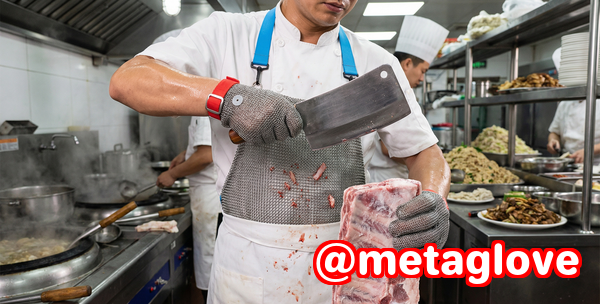
In this guide, we’ll walk through how to identify high-quality chainmail, specifically focusing on boleros built for daily industrial use. From ensuring you’re buying welded rings to checking the right steel grade, I’ll show you how to avoid common pitfalls and make informed choices when it comes to your chainmail investments.
Common Issues When Evaluating Chainmail
1. Identifying Welded Rings vs. Open Rings
It’s easy to get distracted by shiny, appealing chainmail, especially when browsing online or at a market. One of the most common mistakes buyers make is confusing welded rings with open rings. While open rings might seem sufficient for certain applications like decorative pieces, they can’t compare to welded rings in terms of strength and durability. Open rings are often weaker because the gap between the rings can wear out or break under pressure.
2. Choosing the Right Stainless Steel Grade
The quality of stainless steel plays a major role in the longevity and protection level of your chainmail. Grades 304 and 316 are the most common materials used in industrial-grade chainmail. But how do you know which one is best for your needs? The wrong choice could lead to poor resistance to corrosion, or worse, a chainmail suit that doesn’t provide adequate protection.
3. Weak or Inconsistent Weaves
Weave patterns like European 4-in-1 are famous for providing strength and flexibility. However, some chainmail manufacturers cut corners by using inconsistent weaves or weak patterns that compromise the overall structure. This is particularly concerning for industrial applications, where durability is key.
How Aegimesh Chainmail Can Help
Aegimesh is a brand I trust for high-quality, reliable chainmail that can handle industrial workloads and cosplay demands alike. Their guide and inspection tools make it easy for buyers to evaluate chainmail based on material, welds, wire thickness, and weave patterns. Whether you’re looking for cut-resistant chainmail for industrial use or a historical replica for display, Aegimesh provides clear, accessible advice on how to make an informed decision.
But let’s break down the steps you can take to ensure the chainmail you’re considering is up to snuff.
How to Inspect Chainmail Quality
1. Material Type: 304 vs. 316 Stainless Steel
When shopping for industrial-grade chainmail, especially for cut-resistant purposes, you want to choose the right material. The two most common types of stainless steel used are:
-
304 Stainless Steel: This is the more affordable option, offering good resistance to corrosion, but not as much as 316. It’s suitable for most general-purpose applications and decorative uses.
-
316 Stainless Steel: Known for its superior corrosion resistance, 316 is ideal for food handling, marine environments, or heavy-duty industrial use where exposure to harsh chemicals or wet conditions is common.
Practical Tip: To determine the grade of stainless steel, a simple magnet test can help. Grade 304 will attract a magnet weakly, while 316 should not attract a magnet at all due to its higher nickel content.
2. Checking Ring Welding
For long-lasting chainmail, always ensure the rings are welded properly. Welded rings are far stronger than open rings or those that are merely bent into shape. A good weld ensures the ring stays securely intact, even under heavy stress.
Practical Tip: Gently bend a small section of the chainmail and look closely at the ring joints. If the weld is visible and smooth, you know it’s well-made. If there’s a visible gap or rough edge, it could be a sign of poor craftsmanship.
3. Inspecting Ring Thickness and Inner Diameter
Ring thickness and inner diameter (ID) are essential for determining strength and flexibility. A thicker wire provides more durability, while the ID influences how tightly the rings interlock, affecting the overall strength of the weave.
Practical Tip: Use a micrometer to measure the wire thickness and a caliper for the inner diameter. For industrial applications, I recommend a thickness of 16 gauge or thicker. For a stronger weave, the ID should be approximately 1.5 times the wire diameter.
4. Evaluating Weave Patterns
A well-designed weave ensures that each link in the chainmail distributes pressure evenly across the structure. European 4-in-1 is one of the strongest and most commonly used patterns, providing the right balance of flexibility and protection.
Practical Tip: Look for a tight, uniform weave without gaps. A loose or irregular pattern is often a sign of poor construction. For industrial or protective use, always opt for a weave that’s both strong and comfortable to wear.
Why Inspection is Key
Taking the time to inspect the chainmail before purchasing isn’t just about saving moneyit’s about ensuring safety. Low-quality chainmail can break, corrode, or fail to provide the protection you need in an industrial or food-processing environment.
Benefits of Proper Inspection:
-
Safety First: Poorly constructed chainmail may fail during use, leading to injuries.
-
Cost Savings: Identifying low-quality chainmail before purchase helps you avoid wasting money on inferior products.
-
Durability: Well-inspected chainmail lasts longer, meaning fewer replacements down the line.
-
Versatility: Whether you need it for industrial, cosplay, or decorative use, proper inspection ensures your chainmail suits its purpose.
Conclusion
After walking you through the main factors to consider when evaluating chainmail quality, I hope you feel better prepared to make an informed purchase. By checking the material type, inspecting the welding, evaluating the wire thickness and inner diameter, and ensuring the weave pattern is tight and uniform, you can rest assured that the chainmail you choose will meet safety and durability standards.
I highly recommend following these steps to ensure any chainmail purchase meets your needs, whether you’re in the industrial field or preparing for a cosplay event.
To learn more about identifying high-quality chainmail, check out Aegimesh’s detailed guide and inspection tools here: Aegimesh Chainmail Guide.
FAQ
1. How can I tell if a chainmail ring is welded or open?
You can easily check by looking at the joint of the ring. A welded ring will have a smooth, even finish, while an open ring will show a gap where the ends don’t fully meet.
2. Which stainless steel grade is best for long-lasting chainmail?
For general use, 304 stainless steel works well. However, for industrial use or exposure to harsh conditions, 316 stainless steel offers superior corrosion resistance.
3. How do I inspect the weave pattern for strength?
Check for a uniform and tight weave with no visible gaps between rings. A tight European 4-in-1 weave is ideal for strength and flexibility.
4. What are the signs of low-quality or unsafe chainmail?
Poorly welded rings, inconsistent weave patterns, and corrosion are key signs of low-quality chainmail. Always inspect the material and craftsmanship before purchase.
5. Can decorative chainmail be used for protective purposes?
Decorative chainmail may not be reliable for protective use. It’s often made from lighter material or open rings that do not provide sufficient protection.
6. How do I choose the right chainmail for industrial vs. cosplay use?
For industrial use, prioritize welded rings, thicker wire, and higher-quality stainless steel like 316. For cosplay, focus on appearance and comfort, though durability is still important.
Tags: chainmail quality, welded rings, stainless steel chainmail, cut-resistant chainmail, chainmail inspection, European 4-in-1 weave, chainmail durability.