
Chainmail Arm Guards for High-Risk Operations
When you’re working in high-risk environments, whether it’s in a food-processing plant or a dangerous industrial setting, safety is paramount. That’s where protective gear like chainmail arm guards comes into play. But how do you know if the chainmail you’re buying is really up to the job? How can you ensure that the arm guards will protect you from cuts and abrasions without compromising on comfort or durability?
As someone who’s worked with chainmail for years, I can tell you that not all chainmail is created equal. Whether you’re purchasing chainmail for industrial use, cosplay, or historical reenactments, understanding what makes good-quality chainmail can save you a lot of hassle and money in the long run.
The Common Struggles of Choosing Quality Chainmail
When I first started looking for high-quality chainmail products, I ran into several challenges. Chainmail comes in all kinds of formssome are designed for protection, while others are more decorative. How do you separate the genuine protective gear from the flimsy imitations? And more importantly, how do you spot a quality product before you hand over your hard-earned cash?
Here’s the deal: Many buyers, whether they’re in the market for industrial-grade cut protection or a decorative piece for their next costume, are often faced with confusion about quality. They might not realize that the type of steel used, the way the rings are welded, or even the pattern of the weave can make a huge difference in the product’s effectiveness and longevity.
Let’s Talk About the Basics of High-Quality Chainmail
Chainmail is often overlooked for its simple appearance, but there’s much more beneath the surface. Here’s how you can identify top-notch chainmail.
1. Material Matters: Stainless Steel is a Must
You might be wondering, “What kind of material should I look for in chainmail?” When it comes to durability, the grade of stainless steel you choose can have a huge impact. For example, there are two common grades of stainless steel in chainmail production: 304 and 316.
-
304 Stainless Steel: This is the more common of the two. It’s highly durable and resistant to corrosion, but it isn’t ideal for extreme conditions. It’s perfect for cosplay or light industrial work.
-
316 Stainless Steel: If you’re looking for something more robust, especially for industrial or food-related tasks, 316 stainless steel is the way to go. It’s more resistant to corrosion, making it ideal for harsh environments like food processing, where cleanliness and durability are key.
Choosing the right grade of stainless steel will depend on your intended use. Always opt for 316 if your work environment involves exposure to moisture, food, or chemicals.
2. The Secret of Welded Rings: Why They Matter
One of the most noticeable differences between low-quality and high-quality chainmail is the type of rings used. When inspecting chainmail, check whether the rings are welded or open.
-
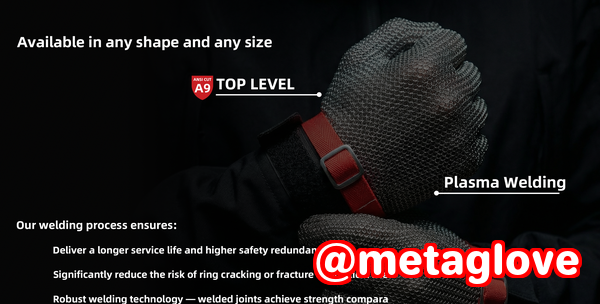
Welded Rings: These are rings that are fused together at the seam, ensuring a stronger, more durable weave. Welded rings are essential for chainmail used in industrial or protective contexts. They will hold up longer under stress and provide consistent protection.
-
Open Rings: These are not welded but instead rely on the tension between rings to hold the weave together. Open rings might look good for a costume or display, but they lack the structural integrity needed for high-risk operations.
If you’re investing in chainmail for safety, always opt for welded rings. They’ll withstand more pressure and offer better protection.
3. Weave Patterns: European 4-in-1 for Maximum Strength
When it comes to evaluating a chainmail product, another critical factor is the weave pattern. The European 4-in-1 weave is one of the most popular and strongest patterns. It consists of four rings passing through each ring, creating a durable and flexible structure.
This pattern ensures that the rings interlock tightly, which adds strength and flexibility. Whether you’re using the chainmail for industrial protection or historical reenactments, the European 4-in-1 pattern is a solid choice. It’s tough enough to withstand abrasions and cuts while still allowing for mobility.
4. Ring Diameter and Wire Thickness: The Devil’s in the Details
The diameter of each ring and the thickness of the wire are other important factors to consider when assessing chainmail quality.
-
Ring Diameter: A larger inner diameter can make the weave looser, which compromises the strength. If the rings are too small, however, the chainmail may feel stiffer or less flexible.
-
Wire Thickness: Thicker wire means more strength, but it also affects flexibility. If the wire is too thin, the chainmail might be more prone to damage under stress.
Finding the right balance between these two elements is key to getting the best protective performance. You want the rings to be firm enough to withstand wear, but not so rigid that they reduce your comfort or mobility.
The Importance of a Simple Chainmail Inspection
When buying chainmail, don’t just take the seller’s word for it. Perform a simple inspection yourself to make sure you’re getting a quality product.
-
Pull Test: Gently tug on the chainmail to see how the rings hold up. If you can easily pull the rings apart, it’s a sign that the welds aren’t strong enough, or the material may not be durable enough for heavy use.
-
Check for Corrosion: Especially if you’re buying chainmail made from 304 stainless steel, check for any signs of corrosion or rust. This can indicate poor-quality steel or improper storage.
-
Look for Consistent Weave: Ensure the rings are all aligned and the weave is uniform. If the rings are uneven or the pattern is inconsistent, it may indicate poor craftsmanship or low-quality material.
Why Proper Chainmail Evaluation Matters
Investing in high-quality chainmail doesn’t just protect your wallet; it also ensures your safety. Inferior chainmail can lead to injuries, especially in high-risk environments like industrial work or food handling. Moreover, if you’re buying chainmail for cosplay, historical reenactments, or display, you want to make sure that it’s durable and looks authentic.
By following these inspection steps, you’ll be able to avoid the pitfalls of low-quality chainmail. You’ll also save money in the long run by identifying inferior products before they break or wear down prematurely.
Conclusion: How to Choose Chainmail with Confidence
After spending years working with chainmail and helping others choose the best products, I can confidently say that inspecting chainmail before purchasing is a game-changer. Whether you’re protecting your arms in a high-risk environment or creating the perfect cosplay outfit, taking a few moments to evaluate the quality of your chainmail will pay off in the long run.
So next time you’re in the market for chainmail, remember to check the material, look for welded rings, evaluate the weave pattern, and perform a simple pull test. I highly recommend following these steps to ensure any chainmail purchase meets safety and durability standards.
For a more detailed guide on chainmail inspection, check out our detailed inspection guide and learn more about identifying high-quality chainmail products today.
FAQ
-
How can I tell if a chainmail ring is welded or open?
-
You can usually tell by inspecting the ring closely. A welded ring will have a smooth, continuous surface where the ring joins, while an open ring will have a visible gap or split.
-
-
Which stainless steel grade is best for long-lasting chainmail?
-
For high-durability applications, such as industrial or food-related uses, 316 stainless steel is the best choice due to its enhanced resistance to corrosion.
-
-
How do I inspect the weave pattern for strength?
-
Look for uniformity in the weave. The European 4-in-1 pattern is often the strongest, and you should see four rings passing through each individual ring.
-
-
What are the signs of low-quality or unsafe chainmail?
-
Look for weak welds, inconsistent ring sizes, corroded steel, and loose or uneven weaves. These can all compromise the safety and durability of the chainmail.
-
-
Can decorative chainmail be used for protective purposes?
-
While decorative chainmail may look appealing, it’s typically not as durable as industrial-grade chainmail and may not offer sufficient protection against cuts or abrasions.
-
-
How do I choose the right chainmail for industrial vs cosplay use?
-
For industrial use, opt for welded rings and 316 stainless steel for maximum durability and protection. For cosplay, you can go with 304 stainless steel and open rings for flexibility and appearance.
-
Tags or Keywords
-
chainmail quality, welded rings, stainless steel chainmail, cut-resistant chainmail, chainmail inspection, European 4-in-1 weave, chainmail durability